How to Design a Cottage Garden: Planning, Plants, and Layout
18 min read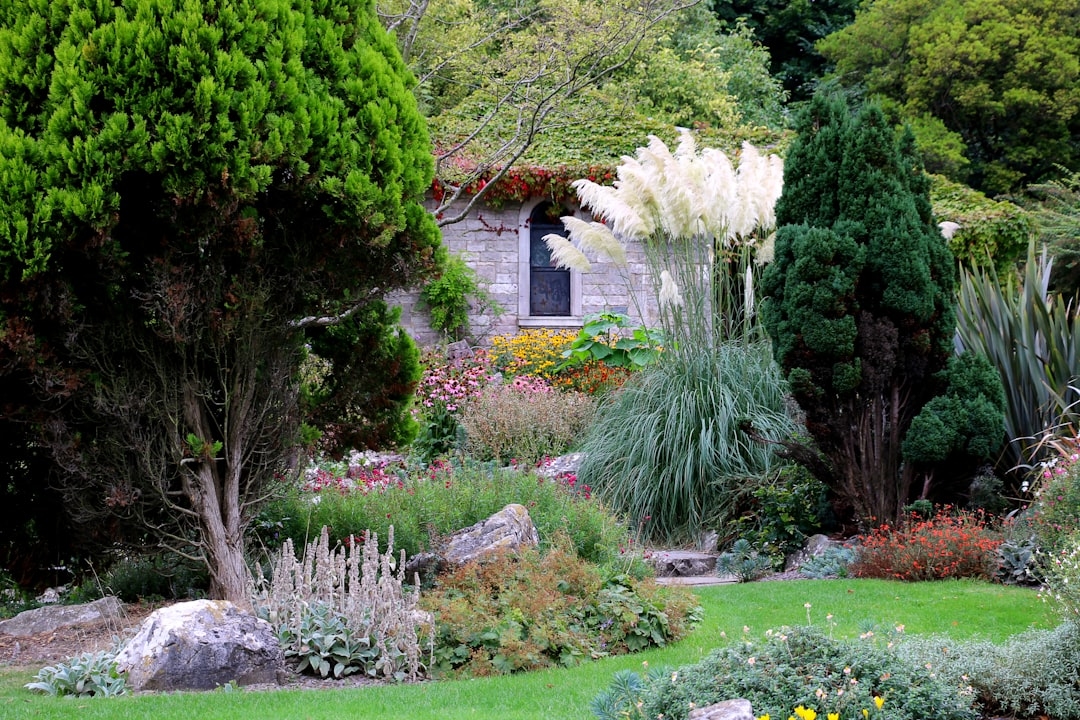
Contents:
- What Makes a Cottage Garden Different from Other Garden Styles
- Planning Your Cottage Garden Layout: Where to Start
- Assess Your Site Conditions First
- Define Your Garden’s Shape and Edges
- Plan for Access and Maintenance
- The Best Plants for a Cottage Garden Design
- Anchor Perennials: The Plants That Come Back Every Year
- Classic Cottage Annuals and Biennials for Seasonal Color
- Climbing and Scrambling Plants for Vertical Interest
- Fragrant Herbs and Edging Plants
- A Seasonal Planting Calendar for Cottage Garden Success
- Early Spring (March–April)
- Late Spring (May–June)
- Summer (July–August)
- Fall (September–October)
- Winter (November–February)
- Sustainable and Eco-Friendly Cottage Garden Practices
- Choose Native and Near-Native Plants
- Build Soil Health with Compost
- Collect Rainwater and Mulch Deeply
- Avoid Pesticides and Embrace Natural Pest Management
- Practical Layout and Design Tips for Common Garden Scenarios
- The Small Urban Garden (Under 200 Square Feet)
- The Suburban Border Garden (200–1,000 Square Feet)
- The Farmhouse or Rural Property (Over 1,000 Square Feet)
- Cottage Gardens for Events and Cut Flowers
- Common Mistakes and How to Avoid Them
- Frequently Asked Questions About Cottage Garden Design
- What is the easiest way to start a cottage garden from scratch?
- How far apart should you plant cottage garden flowers?
- Do cottage gardens require a lot of maintenance?
- What is the best color scheme for a cottage garden?
- Can cottage gardens grow in shade?
- Where to Source Plants and Seeds for Your Cottage Garden
- Putting It All Together: A Starter Plant List by Garden Size
The cottage garden design guide begins in an unlikely place: the cramped plots outside 16th-century English laborers’ cottages, where necessity and beauty collided. Working families grew whatever they could — herbs, vegetables, fruit trees, and wildflowers — in dense, seemingly chaotic profusion. There was no formal symmetry, no clipped hedges, no gravel parterres. Just an exuberant tangle of life that fed the body and lifted the spirit. Centuries later, that same aesthetic — abundant, informal, and deeply personal — has become one of the most beloved garden styles in the world. If you’re planning an outdoor event, redesigning your yard, or simply craving a garden that feels lived-in and romantic, the cottage style rewards almost every level of gardener.
What Makes a Cottage Garden Different from Other Garden Styles
A cottage garden isn’t just a flower bed with a rustic fence. It has specific design principles that distinguish it from formal English gardens, prairie-style plantings, or Mediterranean drought gardens. Understanding these differences helps you make intentional choices rather than just scattering seeds and hoping for the best.
The defining characteristics are density, layering, and apparent informality. Plants grow close together — often within 6 to 8 inches of each other — which suppresses weeds naturally and creates that signature lush, overflowing look. Height varies dramatically within the same border: low-growing violas spill at the front, mid-height phlox and salvia fill the middle, and tall delphiniums or hollyhocks stand sentinel at the back or through the center.
Color in a cottage garden is typically generous and mixed. Traditional palettes lean toward soft pastels — blush pinks, lavender, cream, and sky blue — but bolder schemes using deep burgundy, orange, and magenta work equally well. What matters more than the specific hues is repetition: anchoring a color in at least three different locations across a border creates visual cohesion without rigidity.
Hardscape elements — pathways, arbors, fences, and gates — are present but feel incidental rather than dominant. A gravel or flagstone path that disappears under sprawling catmint is more “cottage” than a clean brick walkway with nothing encroaching on its edges.
Planning Your Cottage Garden Layout: Where to Start
Good cottage garden design starts on paper, not in the soil. A rough sketch of your space — even a basic rectangle with measurements — helps you think through sightlines, traffic flow, and plant quantities before you spend a dollar.
Assess Your Site Conditions First
Before selecting a single plant, document four things about your planting area: sun exposure (full sun, part shade, or full shade), soil type (clay, loam, or sandy), drainage quality, and USDA Hardiness Zone. Most of the plants iconic to cottage gardens — roses, peonies, foxglove, lavender — perform best in full sun (6 or more hours per day) with well-draining loam. If your site gets fewer than 4 hours of direct sun, shift your palette toward shade-tolerant options: astilbe, hellebores, bleeding heart, and impatiens can still deliver a romantic, layered look.
Check your hardiness zone at the USDA Plant Hardiness Zone Map (planthardiness.ars.usda.gov). Most classic cottage perennials are hardy in Zones 4–8, which covers a large portion of the continental United States from the Midwest through the Mid-Atlantic, Pacific Northwest, and parts of the South.
Define Your Garden’s Shape and Edges
Cottage gardens work in almost any footprint — a long rectangular border along a fence, an island bed in the middle of a lawn, or an asymmetrical plot wrapping around a porch. Whatever the shape, define the edges cleanly. A metal or stone edging strip keeps grass from invading and gives the planting a finished look even when plants are billowing over it. A border that’s at least 5 feet deep gives you enough room to layer three distinct height tiers. Narrower borders (2–3 feet) limit your options to shorter plants and lose the characteristic lushness.
Plan for Access and Maintenance
Stepping stones placed 18 to 24 inches apart within the bed allow you to reach every plant for deadheading, dividing, and watering without compacting the soil. This is a detail beginners often skip and regret — dense cottage plantings are virtually impossible to maintain if you can’t reach into the middle without trampling something.
The Best Plants for a Cottage Garden Design
Plant selection is where cottage gardens become truly personal. The traditional British palette is a useful starting point, but American gardens have the advantage of a wider climate range, regional wildflowers, and access to an enormous variety of cultivars. Below are reliable categories with specific recommendations.
Anchor Perennials: The Plants That Come Back Every Year
Perennials form the backbone of a cottage planting. They return each spring, gradually expanding and filling space, so your investment grows over time. Choose at least five to seven perennial species for structural reliability.
- Peonies (Paeonia lactiflora): Bloom in late May to early June in most of the US. They live for decades — some plants have been documented in the same spot for 50-plus years. ‘Sarah Bernhardt’ (pale pink) and ‘Karl Rosenfield’ (deep crimson) are two of the most widely available cultivars. Plant with the “eyes” (red growth buds) no more than 1 to 2 inches below the soil surface; deeper planting is the most common reason peonies fail to bloom.
- Garden Phlox (Phlox paniculata): Blooms July through September, bridging the gap between early-season perennials and fall asters. Fragrant and available in white, pink, red, lavender, and bicolor. Space plants 18 inches apart and divide every 3 to 4 years to prevent powdery mildew.
- Catmint (Nepeta x faassenii): A workhorse edging plant that blooms in late spring, then reblooms after shearing. ‘Walker’s Low’ reaches 24 to 30 inches and is hardy in Zones 4–8. It’s also highly attractive to pollinators — a win for any eco-conscious design.
- Coneflowers (Echinacea purpurea): Native to the eastern United States, making them excellent for low-input, sustainable plantings. They bloom July through September, tolerate heat and drought once established, and their seedheads feed goldfinches through fall and winter. Leave the heads standing after frost for wildlife value.
- Salvia nemorosa: Varieties like ‘Caradonna’ (dark purple spikes) and ‘East Friesland’ provide vertical structure from June onward. Hardy to Zone 4 and deer-resistant.
Classic Cottage Annuals and Biennials for Seasonal Color
Annuals fill gaps, extend the season, and let you experiment with color from year to year without long-term commitment. Biennials — plants that complete their life cycle over two years — are a cottage garden staple that many gardeners overlook.
- Foxglove (Digitalis purpurea): A true biennial that blooms in its second year, producing 4- to 6-foot spires of tubular flowers in pink, purple, white, and cream. Direct-sow in mid-summer for blooms the following year. Self-seeds reliably, so a patch established in year one often perpetuates itself indefinitely.
- Sweet William (Dianthus barbatus): Another biennial with intensely fragrant, flat-topped flower clusters in red, pink, white, and bicolor. Excellent as a cut flower — stems last 7 to 10 days in a vase.
- Larkspur (Consolida ajacis): A hardy annual that self-seeds aggressively, making it essentially permanent once established. Sow seeds directly in fall or very early spring (it needs cold stratification). The tall spires — up to 4 feet — echo delphinium’s look at a fraction of the cost.
- Nigella (Nigella damascena, Love-in-a-Mist): Feathery foliage and delicate blue, white, or pink flowers followed by ornamental seed pods. Direct sow in early spring; it dislikes transplanting. Self-seeds freely.
- Cosmos (Cosmos bipinnatus): One of the easiest direct-sow annuals for summer color. Blooms from July until hard frost. ‘Sensation’ mix reaches 3 to 4 feet; ‘Sonata’ is a compact 12-inch version for the front of a border.
Climbing and Scrambling Plants for Vertical Interest
Vertical elements — arbors draped in roses, fences covered in sweet peas, pergolas wrapped in clematis — are quintessential cottage garden features. They also make efficient use of space by growing upward rather than outward.
- Climbing Roses: ‘New Dawn’ (soft pink, very vigorous, Zone 5–9) and ‘Don Juan’ (deep red, fragrant, Zone 6–9) are two reliably performing climbers widely available in American nurseries. Train on a sturdy trellis or arbor; they need support to attach to since roses don’t climb by twining or tendrils. Space posts no more than 8 feet apart to prevent the canes from sagging.
- Clematis: Pair large-flowered clematis (like ‘Jackmanii’ or ‘Henryi’) with climbing roses for a combination that blooms at different times through summer. Clematis prefers to have its roots in shade and its head in sun — plant a flat stone at the base or let a low perennial shade the crown.
- Sweet Peas (Lathyrus odoratus): Grow as a cool-season annual; sow outdoors as soon as the soil can be worked in early spring (soil temperature 40–50°F). They stop blooming once summer heat arrives, but their fragrance is unmatched among cottage annuals. Soak seeds in water for 24 hours before sowing to speed germination.
Fragrant Herbs and Edging Plants
The original cottage garden was always partly edible, and incorporating herbs maintains that historical authenticity while adding fragrance and ecological value.
- Lavender (Lavandula angustifolia): ‘Hidcote’ and ‘Munstead’ are compact (12–18 inches), cold-hardy to Zone 5, and bloom in early summer. Plant in full sun with sharp drainage — lavender rots quickly in wet soil. Excellent for drying and for attracting bees.
- Rosemary (Salvia rosmarinus): Hardy to Zone 6 in most cultivars, or treated as an annual in colder zones. Its blue flowers in late winter and spring are among the earliest nectar sources for pollinators.
- Chives (Allium schoenoprasum): Perennial, edible, and produces purple globe flowers that look at home in any ornamental border. Allow a few to go to seed for self-propagation.
A Seasonal Planting Calendar for Cottage Garden Success
One of the most common mistakes in planning a cottage garden is thinking only about peak summer bloom. A thoughtfully designed planting delivers interest from March through November — and in milder climates, even through winter. Here’s how to sequence your garden across the seasons.
Early Spring (March–April)
Plant spring bulbs the previous fall: tulips, alliums, and narcissus push through the soil before most perennials have emerged, providing color when the garden would otherwise be bare. ‘Queen of Night’ tulips (deep purple-black) and ‘Angelique’ (double pale pink) complement classic cottage pastels beautifully. Interplant bulbs between perennials at a depth of 3 times the bulb’s diameter — generally 6 to 8 inches for tulips and daffodils.
Hellebores (Helleborus x hybridus) begin blooming as early as February in Zone 6 and later, extending the season by weeks. They’re long-lived, shade-tolerant, and increasingly available in interesting spotted and picotee forms.
Late Spring (May–June)
This is peak cottage garden season in most of the US. Peonies, alliums, iris, catmint, salvia, and roses all overlap in a bloom extravaganza that can last four to six weeks. Deadhead spent flowers every few days to prolong the display. Support tall peonies and delphiniums with grow-through rings or bamboo stakes inserted in early spring before they need them.
Direct-sow or transplant warm-season annuals (cosmos, zinnias, basil) after your last frost date, which ranges from mid-March in Zone 8 to late May in Zone 4–5.
Summer (July–August)
Phlox, echinacea, rudbeckia, and dahlias carry the garden through the hottest months. This is also when many annuals — zinnias, cosmos, cleome — hit their stride. Water deeply and infrequently (1 inch per week including rainfall) rather than shallowly every day; deep watering encourages roots to grow downward and increases drought tolerance.
Deadhead or cut back plants that have finished blooming — catmint, salvia, delphinium — to encourage a second flush of growth. This is also a good time to take note of gaps in color or height for adjustments in fall planting.
Fall (September–October)
Asters, dahlias, Japanese anemones, and ornamental grasses carry interest into October. Plant spring-blooming bulbs as soon as nighttime temperatures drop consistently below 40°F. Divide overcrowded perennials — phlox, asters, coneflowers — now or in early spring; fall division gives roots time to settle before winter in most zones.
Resist the urge to cut everything back hard. Leave seedheads on coneflowers and rudbeckia, hollow stems on ornamental grasses, and the architectural skeletons of plants like baptisia and allium. These structures feed birds and provide overwintering habitat for native bees.
Winter (November–February)
The cottage garden doesn’t shut down completely. Ornamental grasses catch frost and low light beautifully. Hellebores begin pushing up buds. Evergreen herbs like rosemary and thyme hold structure. Use winter to order seeds and bare-root roses (typically available January–March), prepare new beds, and amend soil with compost.
Sustainable and Eco-Friendly Cottage Garden Practices
The dense planting style of a cottage garden is inherently low-input compared to turf grass or formal beds with bare soil. But a few specific practices can take your garden’s ecological value even further — reducing water use, supporting pollinators, and building soil health over time.
Choose Native and Near-Native Plants
Many plants in the classic cottage palette are European introductions, but blending them with American natives dramatically increases the garden’s value to local wildlife. Echinacea purpurea, Phlox paniculata, Baptisia australis (false indigo), and Monarda didyma (bee balm) are all native to eastern North America and fit seamlessly into a cottage aesthetic. Studies by entomologist Doug Tallamy’s research group at the University of Delaware found that native oak trees support over 500 caterpillar species, while non-native ornamentals like Bradford pear support fewer than 5 — a principle that scales down to the perennial border.
Build Soil Health with Compost
Healthy soil is the single greatest investment you can make in a low-maintenance garden. Apply 2 to 3 inches of compost across beds each spring — no tilling required. The “no-dig” or “no-till” method, popularized by British grower Charles Dowding, suppresses weeds by leaving the weed seed bank undisturbed while feeding soil organisms. A 2026 meta-analysis in the journal Soil & Tillage Research found that no-till systems increase earthworm populations by an average of 137% compared to conventionally tilled plots over a 5-year period.
Collect Rainwater and Mulch Deeply
A 55-gallon rain barrel connected to a downspout can collect 1,300 gallons of water per year in areas receiving 30 inches of annual rainfall — enough to supplement irrigation significantly during dry spells. Apply 2 to 3 inches of organic mulch (shredded bark, straw, or leaf mold) around plants, leaving a 2-inch gap at each stem. Mulch reduces water evaporation from the soil surface by up to 70%, moderates soil temperature, and gradually decomposes to feed soil life.
Avoid Pesticides and Embrace Natural Pest Management
The dense, diverse planting of a cottage garden naturally reduces pest pressure by supporting predatory insects. Avoid broad-spectrum insecticides, which kill beneficial insects alongside pests. If aphids become a serious problem (typically on roses and delphiniums), a strong spray of water removes most colonies; insecticidal soap is effective for severe infestations without lasting soil toxicity. Planting alliums (ornamental onions) near roses is a traditional companion-planting practice — the sulfur compounds in alliums are thought to deter aphids and black spot fungus.
Practical Layout and Design Tips for Common Garden Scenarios
Context shapes design. A cottage garden in a suburban backyard has different constraints than a farmhouse front yard or an urban townhouse plot. Here’s how to adapt the principles to three common situations.
The Small Urban Garden (Under 200 Square Feet)
Space limits don’t exclude cottage style — they just require more curation. Limit your palette to 8 to 10 plant species rather than 20 or 30; repetition creates cohesion in a small space. Use vertical elements aggressively: a single obelisk or trellis panel covered in a climbing rose and sweet peas can add 8 feet of height to a 4-square-foot footprint. Dwarf and compact cultivars are your friends — ‘Tiny Rubies’ dianthus (4 inches), ‘Blue Wonder’ catmint (12 inches), and miniature climbing roses like ‘The Fairy’ (polyantha, 3 feet) deliver cottage charm without overwhelming a small plot.
Container planting extends the garden beyond bed edges. Terra cotta or galvanized metal pots planted with lavender, trailing verbena, or sweet alyssum add cottage character to patios, steps, and entryways.
The Suburban Border Garden (200–1,000 Square Feet)
This is the classic scenario for most American homeowners: a rectangular or L-shaped border along a fence, foundation, or property line. The standard advice of “tall at the back, short at the front” is a reliable starting point, but break it deliberately once or twice — a tall verbena bonariensis or giant allium planted unexpectedly near the front creates depth and surprise. Aim for approximately 60% perennials, 30% annuals and biennials, and 10% shrubs (like roses or lavender) for a balanced, low-maintenance mix.
Budget approximately $3 to $8 per perennial plug from a mail-order nursery, or $10 to $18 per gallon container from a local garden center. A 300-square-foot border planted at standard spacing might require 80 to 120 plants; expect to invest $400 to $900 for the initial planting, with costs declining significantly in subsequent years as perennials expand and self-seeding annuals naturalize.
The Farmhouse or Rural Property (Over 1,000 Square Feet)
Larger properties allow for the full cottage garden expression: multiple interconnected beds, wandering paths, arbor tunnels, cutting garden sections, and dedicated herb areas. The challenge is avoiding an overgrown, chaotic appearance that tips from “romantic” to “neglected.” Solve this with structural anchors: a well-maintained central path, clipped hedges of boxwood or rosemary as formal counterpoints, and at least one architectural focal point (a sundial, birdbath, or specimen shrub rose) in each garden room.
Mowing strips — a flat band of brick, concrete, or stone flush with the lawn surface around each bed — dramatically reduce edging time in large gardens. They take a day to install but save hours every season.
Cottage Gardens for Events and Cut Flowers
Cottage gardens are unusually well suited to event planning. Their mix of textures, heights, and bloom times produces an abundance of cut material that can supply informal arrangements for weddings, garden parties, showers, and outdoor dinners without the cost of a florist.
The best cottage garden cut flowers — peonies ($3–$6 per stem at retail), sweet peas, larkspur, foxglove, phlox, and echinacea — have bloom windows of 2 to 4 weeks each. With careful sequencing, you can plan an event around peak bloom or design a calendar that staggers flowering to supply material across a whole season. For a June wedding, a planting focused on peonies, alliums, sweet William, foxglove, and climbing roses gives you a palette that peaks mid-May through mid-June in most of Zones 5–7.
Cut flowers early in the morning when stems are fully hydrated, and immediately place them in a bucket of cool water. Remove any foliage that would sit below the waterline (submerged leaves accelerate bacterial growth). Peonies cut in “marshmallow” stage — tight buds that give slightly when gently squeezed — will open over 3 to 5 days at room temperature, giving you flexibility in timing.
Common Mistakes and How to Avoid Them
Even experienced gardeners make predictable errors when establishing a cottage garden. Recognizing them in advance saves time, money, and frustration.
- Underestimating the first two years: A cottage garden looks sparse in year one and begins to fill in by year two. By year three, if plant selection and spacing are right, it typically hits its stride. Don’t overcrowd in year one to compensate — plants that seem slow initially will expand, and overcrowding leads to disease and competition. Fill gaps in year one with annuals rather than extra perennials.
- Planting in straight rows: Even if plants end up in the same general positions, installing them in irregular clusters of three or five (odd numbers read more naturally than even) looks far more relaxed and organic than straight lines.
- Neglecting deadheading: Most cottage garden plants bloom longer and more heavily with regular deadheading. Spend 10 to 15 minutes per week removing spent flowers June through August and you’ll extend the season by 4 to 6 weeks on many species.
- Choosing only one season of interest: A garden that peaks for 3 weeks in June and looks ragged the rest of the year is a common outcome of focusing exclusively on spring bloomers. Always ask: “What is blooming in July? What looks good in September?” when building your plant list.
- Ignoring soil preparation: Adding 4 to 6 inches of compost and working it into the top 12 inches of soil before planting is the single highest-return investment in a new cottage garden. Poor soil produces weak plants that struggle to compete with weeds and require more water and fertilizer.
Frequently Asked Questions About Cottage Garden Design
What is the easiest way to start a cottage garden from scratch?
Start with a no-dig bed preparation: cover the area with 6 to 8 sheets of cardboard (wet thoroughly), then top with 4 to 6 inches of compost. This smothers existing grass and weeds without tilling. Plant immediately through the compost layer; the cardboard decomposes within one growing season. Choose 5 to 6 reliable perennials for structure, fill with annual seeds (cosmos, larkspur, nigella) for first-year color, and add more variety as you learn what works in your specific conditions.
How far apart should you plant cottage garden flowers?
Spacing depends on the mature size of each plant, but cottage gardens are intentionally planted more densely than conventional borders. A general rule: space plants at roughly two-thirds of their listed mature spread. A phlox rated at 24 inches wide gets planted 16 inches from its neighbor. This density fills in faster, suppresses weeds, and creates the characteristic lush look. In the first season, gaps are expected; fill them with annuals rather than reducing spacing on perennials.
Do cottage gardens require a lot of maintenance?
An established cottage garden (3-plus years old) typically requires 2 to 4 hours of maintenance per week during the growing season — comparable to a lawn of similar area. Major tasks include deadheading, staking tall plants, dividing overgrown clumps every 3 to 4 years, and applying compost annually. The first two years are more labor-intensive as plants establish and weeds compete for space. Using the no-dig method and planting densely are the two most effective ways to reduce ongoing weed pressure.
What is the best color scheme for a cottage garden?
The most versatile starting palette combines soft pink, lavender, white, and blue — it’s cohesive but not monotonous and works with almost any plant species. Add a single “hot” accent color (deep burgundy, bright magenta, or clear yellow) in small quantities to prevent the garden from looking too saccharine. Repeat each color in at least three separate locations across the bed for visual rhythm. Avoid planting in solid blocks of single species; mix colors and textures throughout.
Can cottage gardens grow in shade?
Yes — a shade cottage garden is entirely possible but requires a different plant palette. Replace sun-loving roses and lavender with astilbe, hostas, hellebores, impatiens, bleeding heart (Lamprocapnos spectabilis), and foxglove (which tolerates part shade). Ferns add texture and structure in shadier conditions. The signature lushness of a cottage garden translates well to shade; the main limitation is that fewer species produce showy flowers in low-light conditions, so texture and foliage variation become more important.
Where to Source Plants and Seeds for Your Cottage Garden
Not all nurseries stock cottage garden staples. Big-box stores typically carry a limited range of mass-market cultivars; independent garden centers and mail-order specialty nurseries offer far greater variety and often healthier plants.
Reliable US mail-order sources for cottage garden plants include White Flower Farm (Connecticut), High Country Gardens (specializing in water-wise perennials), Bluestone Perennials (Ohio), and Annie’s Annuals & Perennials (California). For heirloom cottage garden seeds — the larkspur, nigella, sweet William, and cosmos varieties closest to historical cottage plantings — Baker Creek Heirloom Seeds and Select Seeds are excellent resources. Buying seeds rather than transplants for self-seeding annuals and biennials saves significantly: a $4 packet of larkspur seeds can produce 50 to 100 plants.
Local plant swaps and garden club sales are also underrated resources. Established perennial divisions from local gardeners are acclimated to your specific regional conditions and often cost nothing or very little. Many regions host plant swaps in April and September — search for local horticultural society events to find them.
Putting It All Together: A Starter Plant List by Garden Size
To make this actionable, here’s a streamlined starter list for a 300-square-foot cottage border in Zones 5–7:
- Perennials (plant 5 of each): Peonies, garden phlox, catmint, echinacea, salvia nemorosa, astrantia
- Biennials (direct sow in July): Foxglove, sweet William, hollyhocks
- Annuals (direct sow after last frost): Cosmos, larkspur, nigella, sweet alyssum
- Bulbs (plant in fall): Alliums (A. ‘Purple Sensation’), tulips, narcissus
- Climbers (1–2 per support structure): ‘New Dawn’ rose, ‘Jackmanii’ clematis
- Herbs: Lavender (3–5 plants as edging), chives, rosemary (or as annual in Zone 5)
This list gives you bloom from April through October, a range of heights from 6 inches to 6 feet, fragrance, cut flowers, and habitat for pollinators. Adjust for your specific site conditions — swap coneflowers for astilbe if you have significant shade, or choose drought-tolerant lavender and catmint selections if your region sees dry summers.
The best time to begin a cottage garden is this season, with whatever space and budget you have. Start with one well-prepared 50-square-foot bed, establish it properly, observe what thrives, and expand from there. Cottage gardens are cumulative — every year they become more interesting, more self-sustaining, and more distinctly yours.