Complete Guide to Importing and Exporting Cut Flowers in the US
18 min read
Contents:
- The US Cut Flower Market: Where the Demand Comes From
- What Americans Buy — and When
- Regulatory Framework: What US Customs and USDA Actually Require
- USDA APHIS: The Primary Gatekeeper
- US Customs and Border Protection (CBP)
- FDA Bioterrorism Act Registration
- The Cold Chain: How Flowers Survive a 3,000-Mile Journey
- Temperature Windows That Actually Matter
- The Miami Hub and What Happens There
- Hydration and Conditioning
- Sourcing Strategy: How to Find Reliable Overseas Suppliers
- Direct Farm Relationships vs. Exporters vs. Brokers
- Vetting a New Supplier: The Non-Negotiables
- A Reader Story: Learning the Hard Way in Year One
- Exporting US-Grown Cut Flowers: A Smaller but Real Opportunity
- What the US Grows Well Enough to Export
- Export Documentation from the US
- Importing Cut Flowers US Guide: Cost Breakdown and Margin Math
- Typical Cost Components Per Box (Colombia to US East Coast)
- Peak Season Pricing Dynamics
- Common Mistakes to Avoid
- Technology Tools That Modern Importers Actually Use
- Digital Wholesale Platforms
- Logistics and Temperature Monitoring
- Building Your Import Business: The First 90 Days
- Days 1–30: Foundation
- Days 31–60: Testing
- Days 61–90: First Real Order and Iteration
- Sustainability and Certification: What Buyers Increasingly Demand
- Frequently Asked Questions
- Do I need a license to import cut flowers into the US?
- What is the duty rate on imported cut flowers?
- How long do imported cut flowers last after arrival?
- What’s the minimum volume to make direct flower importing viable?
- Can I import flowers for personal use without going through commercial customs?
- What Comes Next: Positioning for a Shifting Market
Picture this: you walk into a grocery store in January, somewhere in Ohio or Minnesota, and there’s a stunning bucket of fresh-cut roses priced at $12.99 — bright red, fully hydrated, petals still tight. It feels almost impossible given that it’s 14°F outside. But those roses were probably cut four days ago on a farm in the Sabana de Bogotá, Colombia, at 8,600 feet above sea level, packed in a refrigerated box, flown to Miami International Airport, cleared customs in under 24 hours, and trucked to your local store. That seamless journey is the backbone of the US cut flower industry — and understanding it is the first step in this importing cut flowers US guide.
The US floral market is enormous. Americans spend roughly $13 billion on cut flowers annually, and domestic farms supply only about 20% of that demand. The other 80% arrives from abroad — primarily Colombia, Ecuador, the Netherlands, and Mexico. That gap between what American consumers want and what American growers produce is exactly where opportunity lives, whether you’re a florist sourcing wholesale, an entrepreneur building an import business, or a grower exploring export channels for your own blooms.
This guide covers every layer of that journey: the regulatory framework, the cold chain logistics, the cost structures, the common pitfalls, and the practical steps to get started — or get smarter about what you’re already doing.
The US Cut Flower Market: Where the Demand Comes From
Before you can move flowers across borders intelligently, you need to understand why the trade exists in the shape it does. The US cut flower industry didn’t always look like this. Through the 1960s and into the 1970s, Colorado, California, and Florida dominated domestic production. Then the Andean Trade Preference Act (ATPA) in 1991 dramatically reduced tariffs on Colombian and Ecuadorian agricultural exports — and within a decade, domestic flower production collapsed from roughly 60% market share to well under 30%.
Today, Colombia supplies approximately 58% of all cut flowers imported into the US, with Ecuador contributing another 15–18%. The Netherlands, despite being an ocean away, accounts for meaningful specialty volumes — particularly tulips, lilies, and seasonal varieties that the Andes don’t optimize for. Mexico’s proximity makes it a strong player for certain bulb flowers and tropicals, especially through land border crossings in Texas and California.
What Americans Buy — and When
Roses dominate, full stop. They represent about 35% of all cut flower sales by unit. Behind them come chrysanthemums, carnations, lilies, and gerbera daisies. But the calendar shapes everything. Valentine’s Day, Mother’s Day, and Christmas-New Year together account for nearly 40% of annual floral revenue. During peak weeks, import volumes at Miami International Airport — which handles more than 80% of all US flower imports by air — can exceed 20 million stems per day.
Understanding seasonality isn’t just trivia. It directly affects your procurement windows, pricing leverage, and whether you can reliably source what your customers expect. If you’re building a wholesale import operation and you don’t plan six to eight weeks ahead for Valentine’s Day, you will pay premium spot prices — or run out entirely.
Regulatory Framework: What US Customs and USDA Actually Require
This is where most first-time importers stumble. The paperwork isn’t overwhelming, but it’s unforgiving. A single missing phytosanitary certificate can hold an entire shipment in an inspection bay while your blooms wilt.
USDA APHIS: The Primary Gatekeeper
The Animal and Plant Health Inspection Service (APHIS) under the USDA governs all plant material entering the United States. Every commercial shipment of cut flowers must comply with APHIS regulations, which exist to prevent the introduction of foreign plant pests and diseases. Their authority comes from the Plant Protection Act, and they take it seriously — inspectors at major ports of entry (Miami, Los Angeles, JFK, Dallas) physically examine shipments.
What you’ll need for a standard cut flower import:
- Phytosanitary Certificate: Issued by the national plant protection organization (NPPO) of the exporting country. This document certifies the flowers were inspected and found free of specified pests. It must accompany every commercial shipment and must be original — photocopies are rejected.
- Airway Bill or Bill of Lading: The primary transport document that identifies the shipper, consignee, and cargo description.
- Commercial Invoice: Must include accurate species names (common names alone are insufficient for customs), country of origin, quantity in stems, and declared value.
- Packing List: Box count, stem count per box, and flower variety breakdown.
Some countries and flower species require additional permits. Certain orchid species fall under CITES (Convention on International Trade in Endangered Species) restrictions and require both an export permit from the country of origin and a CITES import permit filed through USFWS. Always verify species-level requirements before contracting a purchase.
US Customs and Border Protection (CBP)
CBP handles the commercial entry side of things. Cut flowers from Colombia and Ecuador currently enter duty-free under the US-Colombia Trade Promotion Agreement and the Andean Trade Promotion and Drug Eradication Act, respectively. Flowers from most other major suppliers — Netherlands, Kenya, Thailand — face tariff rates ranging from 3.2% to 6.8% depending on classification under the Harmonized Tariff Schedule (HTS).
The HTS code for most cut fresh flowers is 0603.1X.XX, with the final digits varying by species. Roses fall under 0603.11, chrysanthemums under 0603.12, orchids under 0603.13. Getting the classification right matters not just for duty rates but for statistical reporting and potential anti-dumping flags.
FDA Bioterrorism Act Registration
Less commonly discussed but still relevant: if you’re importing any plant material that could be classified as food-adjacent (certain edible flowers, for instance), you may need a facility registration under the FDA’s Bioterrorism Act. Most strictly ornamental cut flowers are exempt, but if your product line includes herbs or edible florals, confirm with an import attorney or customs broker before your first shipment.
The Cold Chain: How Flowers Survive a 3,000-Mile Journey
Regulations get you legal entry. The cold chain gets your flowers to customers looking like they were just cut this morning. Temperature management is the single biggest determinant of post-harvest vase life — and it’s where expensive mistakes happen silently.
Temperature Windows That Actually Matter
Most cut flowers need to be maintained between 34°F and 38°F (1°C–3°C) throughout the supply chain. Roses are particularly unforgiving — even two hours at ambient temperatures above 50°F during transit can accelerate ethylene production and shorten vase life by 30–40%. Tropical flowers like anthuriums and heliconias are cold-sensitive in the opposite direction; they suffer chilling injury below 55°F and must be kept warmer than the rose standard.
The cold chain begins at the farm. In Colombia, most large operations like Asocolflores-affiliated farms have pre-cooling rooms where flowers are hydrated and cooled immediately after harvest. From there, refrigerated trucks move product to airports in Bogotá or Medellín. Transit to Miami typically takes 4–6 hours in the aircraft hold. Then the real test begins: how quickly your forwarder or customs broker gets the shipment from the tarmac into a controlled-temperature holding facility.
The Miami Hub and What Happens There
Miami International Airport’s perishables facility, operated largely through companies like World Fresh Logistics and Perishable Shippers Association members, handles flower shipments 24 hours a day. The best importers have pre-arranged handling agreements that guarantee their pallets move from the aircraft hold to cold storage within 90 minutes of landing. Importers who rely on general cargo handling can wait 4–6 hours — which can be the difference between Grade A and Grade B flowers by the time they reach your cooler.
After customs clearance, distribution typically moves by refrigerated LTL (less-than-truckload) freight to wholesale markets in major cities, or directly to florists and retailers. Dutch auction-style wholesale markets operate in Miami, Los Angeles, and a handful of other cities, though many importers now bypass auctions entirely through direct importer-to-retailer relationships.
Hydration and Conditioning
Flowers arriving from overseas are often “dry-packed” — meaning no water during transport. Upon arrival, stems need immediate re-cutting (at least 1 inch, at a 45° angle) and placement in properly pH-adjusted, sanitized water with a hydration solution. Skipping the re-cut or using chlorinated tap water without adjustment can block stem uptake and cause heads to droop even on otherwise healthy flowers.
Sourcing Strategy: How to Find Reliable Overseas Suppliers
The difference between a profitable flower import business and a money-losing headache often comes down to supplier relationships. This is not a space where you want to be constantly hunting for new vendors on Alibaba.
Direct Farm Relationships vs. Exporters vs. Brokers
There are three main sourcing structures, each with different risk and cost profiles:
- Direct from farm: Best margins, highest relationship investment, minimum order quantities are often 200–500 boxes per shipment. You’ll need someone on the ground or a trusted agent to do quality audits. Best suited for importers moving more than $500,000 in annual volume.
- Through an exporter/packing house: The most common structure for mid-sized importers. Colombian exporters like C.I. Flores La Valvanera or Ecuadorian operations through the Expoflores network aggregate product from multiple farms, handle phytosanitary paperwork, and coordinate logistics. You get more variety and flexibility at a 10–18% markup over farm-direct pricing.
- Through a US-based importer/distributor: The easiest entry point. Companies like Mayesh Wholesale, FiftyFlowers (for retail), or local wholesale markets let you buy domestically with no import paperwork. Margins are thinner — you’re buying at US wholesale — but you eliminate currency risk, regulatory complexity, and minimum volume requirements.
Vetting a New Supplier: The Non-Negotiables
Before wiring a deposit to any overseas farm or exporter, get the following:
- A copy of their current GlobalG.A.P. or Rainforest Alliance certification (standard for reputable Colombian and Ecuadorian farms)
- Three references from current US buyers — and actually call them
- A sample shipment, even if it costs you $300–600 in freight; never commit to volume based on photos
- Their track record with USDA inspections — any competent exporter can provide their rejection/hold rate
- Clear payment terms in writing — most international flower transactions run on 30–50% deposit with balance on documents
A Reader Story: Learning the Hard Way in Year One
A florist based in Atlanta — let’s call her Maria — decided in 2019 to start importing directly from Ecuador after years of buying through a local wholesaler. She’d built a strong retail business doing wedding florals and had the volume to justify it: roughly 80 boxes of mixed stems per week. She found an exporter through a trade show, got a few sample boxes that looked beautiful, and placed her first real order for a Valentine’s Day delivery.
The shipment arrived at Miami on time. But Maria had used a general customs broker unfamiliar with agricultural holds, and the paperwork had a species discrepancy — the phytosanitary certificate listed “Rosa spp.” while her commercial invoice listed specific cultivar names that the inspector flagged as inconsistent. The shipment sat in inspection for 31 hours. By the time it was released and trucked to Atlanta, she’d lost nearly a third of her roses to ethylene damage and dehydration. The Valentine’s Day orders went out, but she had to source emergency fill-in product at spot prices from a local wholesaler, wiping out her projected margin for the entire month.
She didn’t quit. She hired a customs broker who specialized in agricultural perishables, standardized her invoice language to match phytosanitary certificate terminology exactly, and negotiated a cold-storage handling agreement at Miami. By Mother’s Day, the same import channel was running smoothly and profitably. The lesson wasn’t that direct importing is too hard — it’s that the details that seem bureaucratic are actually the ones that determine whether your flowers live or die in transit.
Exporting US-Grown Cut Flowers: A Smaller but Real Opportunity
The import side of the US flower trade gets most of the attention, but American growers — particularly in California, Hawaii, and the Pacific Northwest — do export product, and it’s worth understanding the landscape if you’re on the production side.
What the US Grows Well Enough to Export
Hawaii’s native tropicals — proteas, anthuriums, heliconias, and bird-of-paradise — have genuine export markets in Japan, Canada, and Australia. California peonies and ranunculus have a strong following in premium European markets during the Northern Hemisphere spring window when Southern Hemisphere supply is transitioning. Specialty and novelty varieties developed by US breeders often command enough of a premium internationally to justify the freight cost.
The challenge is economics. US labor costs are 4–8x higher than Colombia or Ecuador, which means American growers can’t compete on commodity roses or standard carnations. The export opportunity is almost entirely in specialty, premium, and locally branded product — things where origin story and variety exclusivity justify a price 40–80% above commodity levels.
Export Documentation from the US
Exporting from the US requires:
- Phytosanitary Certificate from USDA APHIS: Issued by your state department of agriculture (acting as APHIS agent). Processing time varies by state — California and Hawaii have efficient systems; others can take 3–5 business days, so plan accordingly.
- Commercial Invoice and Packing List: Same format as import documentation but reversed — you’re the exporter now.
- Destination country import permits: Japan, Australia, and New Zealand have strict biosecurity requirements. Australia in particular requires fumigation or approved treatment before entry. Research destination-country requirements through their agricultural ministry well before your first shipment.
- AES (Automated Export System) filing: Required for shipments valued over $2,500 or requiring an export license. Filed through the Census Bureau’s AESDirect system.
Importing Cut Flowers US Guide: Cost Breakdown and Margin Math
Let’s talk numbers, because vague promises of “good margins” don’t pay rent. The following cost structure is based on a mid-sized importer bringing in Colombian mixed roses and premium cuts in standard 10-stem bunches, approximately 200 boxes per week.
Typical Cost Components Per Box (Colombia to US East Coast)
- Farm/exporter price (FOB Bogotá): $8–14 depending on variety, season, and volume
- International airfreight (per box): $4–7 for standard palletized cargo
- Miami handling, cold storage, and customs exam (per box): $1.50–3.00
- Customs broker fee (amortized per box at 200 boxes/week): ~$0.75–1.25
- Domestic refrigerated freight to destination (per box): $2–5 depending on distance
- Total landed cost per box: approximately $16–30
A standard box of Colombian roses contains 12–16 bunches of 25 stems each — roughly 300–400 stems. At a landed cost of $20/box and 350 stems per box, your cost per stem is approximately $0.057. Wholesale to florists at $0.30–0.45 per stem puts your gross margin at roughly 80–85% before overhead. That’s before spoilage, which runs 5–12% for well-managed operations and can reach 20%+ when the cold chain breaks down.
Peak Season Pricing Dynamics
Valentine’s Day changes everything. Farm prices for roses can spike 200–400% in the two weeks prior. Freight rates increase 50–80%. Importers who haven’t pre-booked aircraft cargo space and farm allocations by December 1st will pay spot rates that erase their margins. The importers who make real money on Valentine’s Day are the ones who negotiated fixed-price contracts with farms in September and locked in freighter space before the holiday run-up begins.
Common Mistakes to Avoid
After years of watching flower businesses succeed and fail at import operations, certain errors appear again and again. Avoid these:
- Using a generalist customs broker: Agricultural perishables have unique timing requirements that general freight brokers don’t prioritize. The two-hour difference in customs clearance speed can cost you an entire shipment’s vase life.
- Ignoring currency risk: Most Colombian and Ecuadorian transactions are denominated in USD, but if you’re sourcing from the Netherlands or Kenya, exchange rate fluctuations on euro or shilling contracts can silently erode your margins. Use forward contracts or price in USD from the start.
- Underestimating minimum order economics: Direct farm relationships only make financial sense at volume. Importers who try to go direct on 20-box orders often find that the administrative overhead and freight inefficiency wipes out any savings versus buying from a US wholesaler.
- Skipping pre-shipment quality inspections: Photos and video calls are not inspections. A $400 third-party quality audit at the exporter’s facility before a major holiday order can save you from a $15,000 disaster.
- Neglecting phytosanitary certificate accuracy: The certificate must precisely match your commercial invoice — species names, variety names, quantities. Any discrepancy gives inspectors grounds for a hold. Standardize your document templates and share them with your exporter.
- No contingency sourcing plan: What happens if your primary supplier has a crop disease outbreak two weeks before Mother’s Day? Every importer needs a backup supplier relationship at least partially active — even if you only use them for 10% of normal volume just to keep the relationship warm.
Technology Tools That Modern Importers Actually Use
The flower import business has modernized significantly over the past decade. These platforms and tools are worth knowing:
Digital Wholesale Platforms
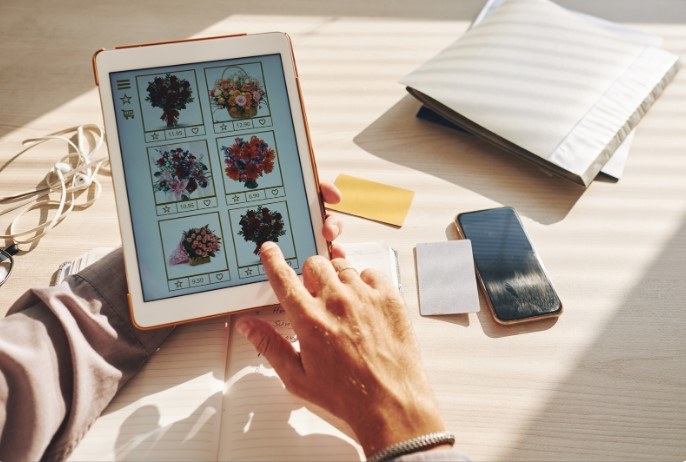
Thursd and BloomNet’s B2B portal have emerged as digital interfaces for sourcing, though for serious volume they function more as discovery tools than primary procurement channels. Floralco and similar B2B platforms connect US buyers directly with Ecuadorian and Colombian exporters and offer basic logistics integration.
For auction-based sourcing, Royal FloraHolland’s digital auction (Floriday) allows qualified US importers to bid on Dutch wholesale lots remotely. This is particularly useful for specialty European varieties during winter months.
Logistics and Temperature Monitoring
Several importers now use IoT temperature loggers (like those from Sensitech or Emerson) placed inside shipment boxes to monitor in-transit temperature data with time stamps. This data is invaluable for two reasons: identifying cold chain failures before they become total losses, and providing documentation for insurance claims when they do.
For customs filing, Flexport and Customs City offer platforms that streamline CBP entry filings and can integrate with APHIS inspection scheduling — reducing the administrative burden on small to mid-sized importers significantly.
Building Your Import Business: The First 90 Days
If you’re starting from scratch, here’s a realistic sequencing of steps rather than a generic checklist:
Days 1–30: Foundation
Register your business entity and obtain a federal employer identification number (EIN). Apply for an importer of record (IOR) number through CBP — this is separate from your EIN and is required to make entry on US imports. Interview and hire a customs broker who specializes in agricultural perishables. Research and shortlist 3–5 exporters in your target source country using trade directories like Proflora (Colombia) or Expoflores (Ecuador) member lists. Contact each with a standardized RFQ that specifies your target varieties, weekly volume estimate, and payment terms you can offer.
Days 31–60: Testing
Place sample orders with your top two exporter candidates — at least one shipment each. Document everything: the quality on arrival, the accuracy of paperwork, the responsiveness to communication, and how they handle any problems that arise. Simultaneously, set up your receiving infrastructure: cooler space, hydration station, a working relationship with a refrigerated LTL carrier for domestic distribution.
Days 61–90: First Real Order and Iteration
Place your first commercial order with your preferred supplier — ideally timed to avoid major holidays for your first run. Work through the customs process with your broker present (or at minimum, in real-time phone communication). Measure your actual landed cost versus your projections. Identify where your estimates were wrong. Adjust your pricing model before you scale.
Sustainability and Certification: What Buyers Increasingly Demand
The floral trade’s sustainability profile has come under increasing scrutiny, and it’s shaping procurement decisions at retail chains, corporate floral accounts, and socially conscious florists. This isn’t just ethics — it’s becoming a market access issue.
Rainforest Alliance certification is the most widely recognized sustainability standard in Colombian and Ecuadorian flower production. It covers water use, worker welfare, agrochemical management, and biodiversity protection. Major US retailers like Whole Foods and Trader Joe’s now require Rainforest Alliance certification from suppliers. If you’re supplying premium retail channels, you need certified product — and you need to verify that certification is current, not just claimed.
VeriFlora certification, developed by the US-based Scientific Certification Systems, is the North American equivalent and is recognized by Walmart and Target for their floral programs. Fair Trade USA certification adds a social premium component — a portion of the purchase price flows back to worker-owned funds on certified farms.
On the carbon side: yes, air freight from Colombia to Miami generates roughly 2.5 kg of CO₂ per kg of flowers. That sounds high, but studies from Cranfield University found that flying flowers from Colombia actually produces lower lifecycle emissions than growing roses in heated Dutch greenhouses and trucking them across Europe — largely because Colombian farms use ambient Andean climate instead of artificial heating. That’s a nuanced data point worth understanding if sustainability is part of your brand positioning.
Frequently Asked Questions
Do I need a license to import cut flowers into the US?
There is no specific “flower import license” required. However, you need to be registered as an importer of record with US Customs and Border Protection (CBP), and your shipments must comply with USDA APHIS phytosanitary requirements. Certain protected species under CITES do require special permits. Working with a licensed customs broker eliminates most of the procedural complexity.
What is the duty rate on imported cut flowers?
Flowers from Colombia and Ecuador enter the US duty-free under existing trade agreements. Flowers from most other major exporters — including the Netherlands, Kenya, and Thailand — face tariff rates between 3.2% and 6.8% under the Harmonized Tariff Schedule, depending on species and classification code. Always verify current rates through the USITC’s online HTS tool before committing to a supply relationship.
How long do imported cut flowers last after arrival?
Properly handled imported roses typically have 7–10 days of vase life after arrival at a US distribution point. Chrysanthemums and carnations can last 10–14 days. Tropical species like anthuriums can last 3–4 weeks. These windows assume immediate re-cutting, proper hydration with acidified water, and storage at 34°F–38°F. Cold chain failures, delayed customs clearance, or improper conditioning on arrival can cut these lifespans by 30–60%.
What’s the minimum volume to make direct flower importing viable?
Most industry practitioners cite a minimum of 100–150 boxes per week as the threshold where direct importing (bypassing US-based wholesalers) begins to generate net savings after accounting for administrative overhead, customs broker fees, and the internal management time required. Below that volume, buying from a domestic wholesale importer is almost always more economical. Above 300 boxes per week, direct farm relationships begin to offer meaningful margin advantages.
Can I import flowers for personal use without going through commercial customs?
Small personal quantities of cut flowers — a few bouquets, not commercial volumes — can technically be brought across the border or through airports, but they are still subject to USDA APHIS inspection. Any plant material that appears infested or diseased will be confiscated. Flowers that have soil attached (rare in cut flower form, but possible with bulbs or roots) face much stricter scrutiny. The informal personal exemption does not apply to commercial quantities or species restricted under CITES.
What Comes Next: Positioning for a Shifting Market
The US cut flower import market is not static. Several forces are reshaping it right now. E-commerce floral brands — FTD, Teleflora, 1-800-Flowers, and direct-to-consumer players like The Bouqs Company — have restructured distribution by building import relationships that bypass traditional wholesale entirely and ship farm-fresh product directly to consumers. Their logistics are sophisticated and their buying power is formidable, which raises the bar for smaller importers who want to compete.
At the same time, consumer interest in locally grown and specialty flowers is creating defensible niches. Florists who build “locally grown” seasonal offerings alongside their import base are seeing stronger customer loyalty and willingness to pay 20–35% premiums. That’s not a replacement for import volume — it’s a complement to it.
The importers and florists who will win over the next decade are the ones treating their supply chain as a competitive asset rather than a commodity input. That means deeper farm relationships, tighter cold chain management, real-time quality data, and increasingly, sustainability credentials that their buyers actually ask for.
Your next step depends on where you’re starting. If you’re a florist buying from a US wholesaler, request a meeting with a Miami-based importer and ask for a direct account — many will work with florists doing $3,000–5,000 per month in purchases. If you’re already importing and struggling with quality consistency, the cold chain and customs broker sections of this guide are your audit checklist. And if you’re a grower thinking about export, the specialty and premium positioning framework is where your opportunity lives. The infrastructure exists. The demand is there. The execution is what separates the operations that thrive from the ones that don’t.