Complete Guide to Edible Flowers: Safety, Flavor, and Cooking Tips
19 min read
Contents:
- Why Edible Flowers Belong in Your Kitchen
- Edible Flowers vs. Decorative Flowers: A Critical Distinction
- Toxic Flowers to Avoid Completely
- The 20 Best Edible Flowers for Cooking (With Flavor Notes)
- Bold Flavor Flowers
- Mild and Versatile Flowers
- Flowers for Visual Impact
- How to Source Edible Flowers on a Budget
- Growing Your Own: What to Start With
- Buying Edible Flowers Without Overspending
- Edible Flowers Cooking Guide: Techniques That Actually Work
- Washing and Storing Fresh Edible Flowers
- Raw Applications
- Infusions: The Most Flavor Per Dollar
- Cooking with Heat
- Candied and Crystallized Flowers
- Frozen in Ice
- Expert Insight: Getting the Most from Edible Flowers
- Pairing Edible Flowers with Food: A Flavor Map
- Flowers for Savory Dishes
- Flowers for Sweet Dishes and Drinks
- Safety Checklist Before Eating Any Edible Flower
- Seasonal Availability: When to Find and Use Edible Flowers
- Spring (March–May)
- Summer (June–August)
- Fall (September–November)
- Winter (December–February)
- Recipes to Start With: Five Accessible Entry Points
- Nasturtium Compound Butter
- Chive Blossom Vinegar
- Lavender Lemon Shortbread
- Hibiscus Simple Syrup
- Stuffed and Fried Squash Blossoms
- Frequently Asked Questions About Edible Flowers
- Are all flowers in the herb garden edible?
- Can you eat flowers from a grocery store bouquet?
- How do you keep edible flowers fresh longer?
- What edible flowers are easiest to grow for beginners?
- Do edible flowers taste like flowers?
- Building a Year-Round Edible Flower Practice
What if the most stunning garnish in your kitchen was already growing in your backyard? This edible flowers cooking guide covers everything you need to know — from which blooms are genuinely safe to eat, to how they taste, and exactly how to use them without spending a fortune at a specialty grocery store.
Edible flowers have appeared on restaurant plates for decades, but home cooks are increasingly discovering what chefs already know: flowers aren’t just decoration. They carry real flavor, real nutrition, and real culinary purpose. Nasturtiums taste peppery like arugula. Elderflowers taste like honey and lychee. Squash blossoms taste like a mild, sweet zucchini. These are ingredients, not afterthoughts.
This guide walks you through identification, safety, flavor profiles, sourcing, and cooking techniques — all with a budget-conscious eye. You don’t need to spend $18 on a tiny clamshell of microgreens and petals from a fancy market. Many of the best edible flowers cost almost nothing to grow yourself.
Why Edible Flowers Belong in Your Kitchen
Flowers have been used in cooking for thousands of years. Ancient Romans used rose petals in sauces and wines. The Victorians candied violets for cakes and confections. In Mexican cuisine, squash blossoms have been stuffed and fried since long before farm-to-table became a trend.
The modern resurgence isn’t just aesthetic. Chefs and home cooks are rediscovering that flowers offer flavor complexity that’s genuinely difficult to replicate. Lavender brings floral bitterness that balances rich desserts. Chive blossoms offer mild onion flavor without the sharpness of the bulb. Borage flowers taste faintly of cucumber — a perfect match for summer drinks and cold soups.
Nutritionally, many edible flowers punch above their weight. Nasturtiums are high in vitamin C and contain glucosinolates, the same compounds found in broccoli. Rose petals contain vitamins A, C, and E. Calendula petals — sometimes called “poor man’s saffron” — contain lutein and zeaxanthin, antioxidants associated with eye health.
For budget-conscious cooks, the math is compelling. A packet of nasturtium seeds costs about $3 and produces dozens of flowers over a full growing season. Compare that to specialty grocery stores, where a small container of mixed edible flowers can run $10 to $15 for just a handful of blooms.
Edible Flowers vs. Decorative Flowers: A Critical Distinction
This is where most beginners make dangerous assumptions. Not all flowers are edible, and some are actively toxic. The fact that a flower looks beautiful — or even that you’ve seen it used as a garnish — does not mean it’s safe to eat.
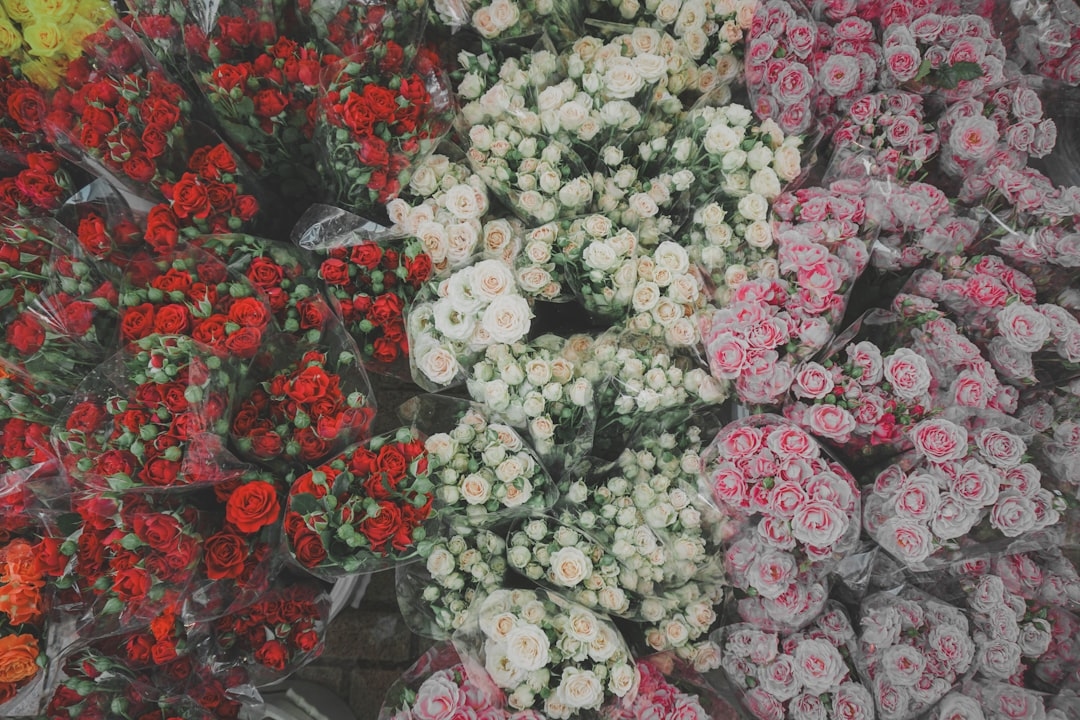
Florist flowers are the most commonly confused alternative. Roses from a florist shop are not the same as edible roses. Commercial cut flowers are typically treated with pesticides, fungicides, and preservatives that are not approved for food use. They may also be shipped from countries with different agricultural regulations. The rose in a Valentine’s Day bouquet is not a cooking ingredient, even if the same species is edible when grown organically.
The rule is simple: only eat flowers that were specifically grown for consumption, or flowers you’ve grown yourself without chemical treatment. If you didn’t grow it or source it from a verified food-grade supplier, don’t eat it.
Beyond pesticides, some flowers are genuinely poisonous regardless of how they were grown. Foxglove (Digitalis purpurea) is beautiful and deadly — it contains cardiac glycosides that can cause heart failure. Lily of the valley, oleander, daffodils, and monkshood are all toxic. Never assume a flower is edible because it’s common or pretty.
Toxic Flowers to Avoid Completely
- Foxglove (Digitalis) — cardiac glycosides, potentially fatal
- Lily of the valley (Convallaria majalis) — toxic to humans and pets
- Oleander (Nerium oleander) — all parts toxic
- Daffodil (Narcissus) — contains lycorine, causes nausea and vomiting
- Monkshood / Wolfsbane (Aconitum) — one of the most toxic plants in temperate climates
- Wisteria — seeds and pods are toxic; flowers may cause GI distress
- Sweet pea (Lathyrus odoratus) — not the same as edible pea flowers; toxic
Note that sweet peas are frequently confused with edible pea blossoms (Pisum sativum). They look similar and are often found in the same gardens. Edible pea flowers are the blooms of the vegetable plant and taste mildly sweet and fresh. Sweet peas are ornamental and should never be consumed. When in doubt, grow your own from clearly labeled vegetable seed packets.
The 20 Best Edible Flowers for Cooking (With Flavor Notes)
Not all edible flowers are worth the effort. Some are technically edible but flavorless. Others are exceptional ingredients. Here’s a practical breakdown organized by how you’ll most likely use them.
Bold Flavor Flowers
These flowers bring enough flavor to actually change a dish, not just decorate it.
- Nasturtium (Tropaeolum majus) — Peppery, radish-like heat. Both flowers and leaves are edible. Use in salads, compound butters, or as a pizza topping. Extremely easy to grow; thrives in poor soil.
- Chive blossom (Allium schoenoprasum) — Mild onion flavor, slightly sweeter than the stem. Pull the florets apart and scatter over eggs, pasta, or potato salad. Infuse in white wine vinegar for a gorgeous pink condiment.
- Lavender (Lavandula angustifolia) — Floral, slightly bitter, with herbal and citrus undertones. Use sparingly — 1 teaspoon of dried buds goes a long way. Excellent in shortbread, lemonade, cream sauces, and dry rubs for lamb.
- Borage (Borago officinalis) — Mild cucumber flavor. Star-shaped blue flowers are stunning frozen in ice cubes or floated in gin cocktails. Also works in salads and cold soups.
- Elderflower (Sambucus nigra) — Sweet, honey-like, with a distinctive lychee note. Used to make elderflower cordial, fritters, and wine. Flowers must be used fresh or dried quickly; the berries of the same plant are toxic when raw.
- Anise hyssop (Agastache foeniculum) — Strong licorice-anise flavor. Use in herbal teas, desserts, or with stone fruits. A little goes a long way.
Mild and Versatile Flowers
- Squash blossom (Cucurbita spp.) — Mild, sweet, slightly vegetal. One of the most genuinely useful edible flowers. Stuff with ricotta and fry, add to quesadillas, or use raw in salads. Available from summer through early fall. Male blossoms (on long thin stems) are typically harvested so as not to reduce fruit production.
- Viola / Pansy (Viola tricolor and related) — Very mild, slightly grassy or wintergreen flavor depending on variety. Mostly valued for appearance. Use to garnish cakes, cocktails, and salads. One of the easiest edible flowers to find at grocery stores and farmers markets.
- Rose (Rosa spp.) — Floral and sweet, with intensity varying by variety. Darker varieties tend to be more flavorful. Remove the white base of each petal (it’s bitter). Use in desserts, rose water, syrups, and Middle Eastern dishes like rice pilafs.
- Calendula (Calendula officinalis) — Mildly tangy, slightly bitter, with a faint saffron-like color. Excellent as a saffron substitute in rice and soups. Petals can be dried and stored for months. Sometimes sold as “pot marigold” — note this is different from common garden marigolds (Tagetes), which have a more pungent, less pleasant flavor.
- Chamomile (Matricaria chamomilla) — Apple-like, honey-sweet. Beyond tea, use in desserts, ice cream bases, and light cream sauces. Infuse in warm cream for 20 minutes for a subtle floral panna cotta.
- Herb flowers — The flowers of basil, cilantro, dill, oregano, thyme, and rosemary are all edible and carry the same flavor as the herb, often slightly milder. A great way to use herbs that have bolted (gone to flower) instead of discarding them.
Flowers for Visual Impact
- Bachelor’s button / Cornflower (Centaurea cyanus) — Mildly sweet, slightly grassy. Vivid blue petals are one of the few truly blue foods. Pull petals from the center and use as a garnish on salads, grain bowls, and desserts.
- Dianthus / Carnation (Dianthus spp.) — Clove-like, spicy-sweet. Remove the bitter white base. Good in desserts and cocktails.
- Bee balm / Bergamot (Monarda spp.) — Spicy, oregano-like with floral notes. Red varieties are most flavorful. Use in teas, salads, and savory dishes.
- Hibiscus (Hibiscus sabdariffa) — Tart, cranberry-like. Dried calyx is used to make hibiscus tea (agua de Jamaica), syrups, and jams. Also excellent in vinaigrettes and cocktails.
- Sunflower (Helianthus annuus) — Petals are mildly bitter, slightly nutty. Use young petals in salads. Bud stage can be steamed and eaten like artichoke hearts.
- Dandelion (Taraxacum officinale) — Slightly bitter, especially later in the season. Young flowers are milder. Use in salads, infused in honey, or make dandelion wine. Entirely free if you have a yard — just make sure it hasn’t been treated with herbicide.
- Apple and citrus blossoms — Delicate, intensely fragrant. Use sparingly as garnish or infuse briefly in syrups. Don’t harvest heavily if you want fruit — each blossom represents future fruit.
How to Source Edible Flowers on a Budget
The cheapest edible flowers are the ones you grow yourself. Most edible flowers are annuals or easy-to-grow perennials that thrive in average garden conditions. A $3 packet of nasturtium seeds sown in May will produce flowers from June through the first frost — often four to five months of harvesting for one small investment.
Growing Your Own: What to Start With
If you’re new to growing edible flowers, start with these three. They’re forgiving, productive, and genuinely useful in cooking:
- Nasturtiums — Direct sow after last frost. No fertilizer needed (it actually reduces flowering). Full sun to part shade. Zones 2–11 as annuals.
- Calendula — Cool-season annual. Can be sown in early spring or fall in warmer climates. Zones 2–11 as annuals; perennial in Zones 9–11. Deadhead regularly to extend bloom time.
- Chives — Perennial in Zones 3–9. Plant once, harvest indefinitely. Flowers appear in late spring. Divide clumps every few years to keep productive.
For those without garden space, a 12-inch container on a sunny balcony is enough for nasturtiums or herbs with edible flowers like basil and chives. Edible flowers don’t require deep soil — most do fine in 6 to 8 inches of potting mix.
Buying Edible Flowers Without Overspending
When you can’t grow your own, here’s where to look:
- Farmers markets — Often the best source for fresh, pesticide-free edible flowers. Vendors who grow specialty salad greens frequently sell edible flowers as well. Prices vary, but $4 to $8 for a generous handful is typical.
- Grocery stores with natural/organic sections — Whole Foods and similar retailers sometimes carry edible flower mixes, pansy packs, or nasturtiums near the specialty produce. Expect to pay $10 to $15 for small containers.
- Online specialty suppliers — Sites like Gourmet Sweet Botanicals or Marx Foods ship fresh edible flowers overnight. More expensive per use, but useful for special occasions when you need specific varieties.
- Your neighbors’ gardens — If someone you know grows organic vegetables, they likely have squash blossoms, herb flowers, or nasturtiums going to waste. Ask. Most gardeners are happy to share.
What the Pros Know: Professional pastry chefs order dried edible flowers — particularly cornflower petals, rose petals, and calendula — in bulk from specialty suppliers. Dried flowers cost a fraction of fresh, last for months in an airtight container, and work beautifully for decorating cakes, chocolates, and baked goods. A 1-ounce bag of dried edible rose petals from a culinary supplier typically costs $8 to $12 and goes much further than an equivalent purchase of fresh flowers at a specialty grocery store.
Edible Flowers Cooking Guide: Techniques That Actually Work
Knowing which flowers are edible is only half the equation. How you handle and cook them makes the difference between a dish that impresses and one that disappoints.
Washing and Storing Fresh Edible Flowers
Rinse edible flowers gently in cool water. Do not soak them — most are delicate and will bruise or become waterlogged quickly. A gentle swirl in a bowl of cool water followed by a spin in a salad spinner on the lowest setting works well. Alternatively, lay them on a paper towel and pat dry carefully.
Store fresh edible flowers between lightly damp paper towels in a sealed container in the refrigerator. Most will hold for two to three days this way. Squash blossoms are the most perishable and should ideally be used within 24 hours of picking. Nasturtiums are more resilient and often last four to five days refrigerated.
Harvest flowers in the morning after any dew has dried but before midday heat sets in. Flowers picked in the afternoon heat tend to wilt faster and have less vibrant flavor.
Raw Applications
The simplest way to use edible flowers is raw, where their flavor and appearance are fully preserved. Scatter nasturtium petals or viola faces over salads. Float borage stars in a gin and tonic. Press pansy faces gently onto the frosting of a layer cake. Tuck chive blossoms into a grain bowl.
When using flowers raw on salads, dress lightly and add the flowers last, directly before serving. Acidic dressings will discolor delicate petals within minutes.
Infusions: The Most Flavor Per Dollar
Infusing edible flowers into liquids is one of the most efficient ways to extract their flavor, and it’s highly budget-friendly because you use less flower material for a big flavor impact.
- Simple syrups — Bring equal parts water and sugar to a simmer, remove from heat, add flowers (lavender buds, rose petals, elderflowers, hibiscus), steep for 20 to 30 minutes, then strain. The resulting syrup keeps refrigerated for two to three weeks and flavors cocktails, lemonade, whipped cream, and cake soak.
- Cream infusions — Warm cream to about 160°F, add flowers (chamomile, lavender, rose), steep off heat for 20 minutes, strain, and use in panna cotta, ice cream bases, or pastry cream.
- Vinegar infusions — Pack chive blossoms or rose petals loosely into a jar, cover with white wine vinegar, and let infuse at room temperature for one to two weeks. The vinegar turns pink-purple and carries a gentle floral flavor perfect for vinaigrettes.
- Honey infusions — Warm honey gently (don’t boil), add dried lavender or rose petals, let cool, and strain after 24 hours. Use on cheese boards, toast, or as a glaze for roasted vegetables.
Cooking with Heat
Many edible flowers hold up to gentle cooking, though high heat destroys their color and delicate flavor compounds quickly. The key is brief exposure to moderate heat.
Squash blossom fritters are the classic example. Dip blossoms briefly in a light tempura batter — roughly 1 cup flour, 1 cup ice-cold sparkling water, one egg yolk — and fry in 375°F oil for 60 to 90 seconds per side. The result is crisp, golden, and delicate. Stuff the blossoms with 2 tablespoons of ricotta mixed with lemon zest and fresh herbs before battering for an even more satisfying result.
Lavender works well in baked goods because the oven temperature is high enough to bloom the aromatic oils without destroying them entirely. Use culinary lavender — typically Lavandula angustifolia — rather than ornamental varieties, and use no more than 1 tablespoon of fresh buds (or 1 teaspoon dried) per batch of cookies or a standard 9×5 loaf cake. More than this and the flavor becomes soapy.
Rose petals can be sautéed briefly in butter and used to top rice dishes or lamb. In Persian cuisine, dried rose petals are a standard component of spice blends like advieh, which flavors rice pilafs and stews. This tradition is worth borrowing — a pinch of dried rose petals adds something genuinely different to braised meat dishes.
Candied and Crystallized Flowers
Crystallized flowers are a pastry technique that requires patience but no special equipment. The result keeps for weeks and costs almost nothing to make at home — a stark contrast to buying them ready-made, where a small tin of crystallized violets from a specialty store can cost $12 or more.
The method: brush each flower lightly with egg white beaten with a small amount of water (or with gum arabic solution for a longer shelf life), then dust with superfine sugar. Set on parchment paper in a warm, dry place — near a vent or in an oven with just the pilot light or warming setting. They’ll dry in 12 to 24 hours and become crisp and jewel-like. Violets, pansies, rose petals, lavender sprigs, and herb flowers all work beautifully.
Frozen in Ice
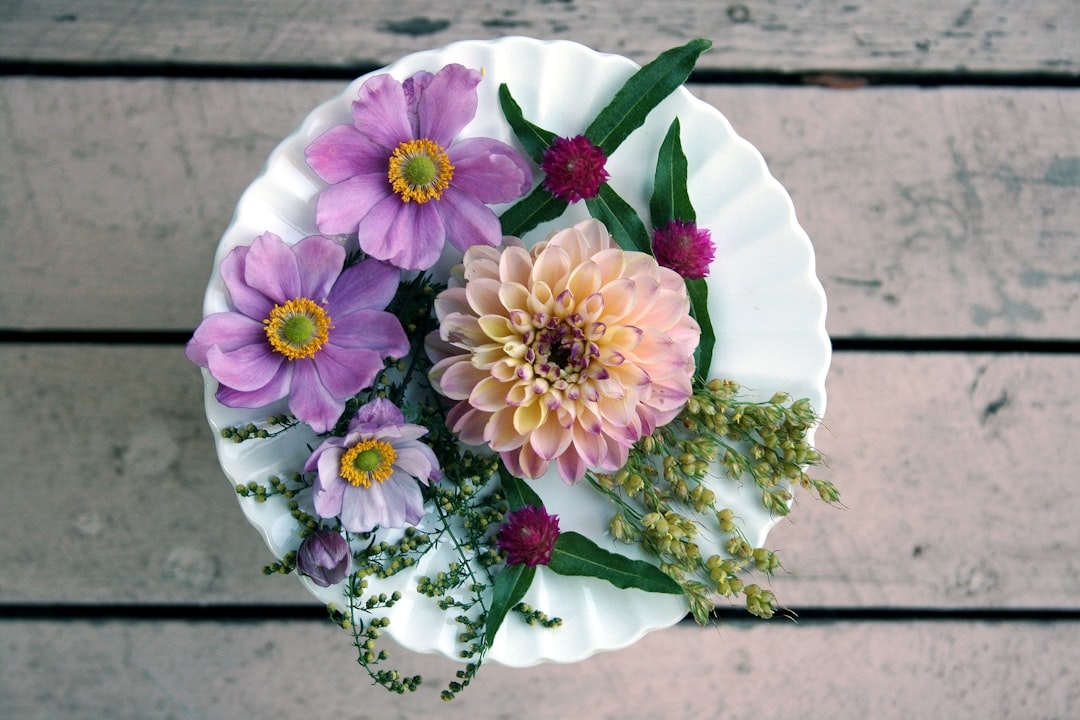
One of the simplest edible flower techniques: freeze flowers in ice cubes for cocktails, punch bowls, or sparkling water. Fill an ice cube tray halfway, add a flower face-down, freeze until solid, then top with more water and freeze again. The two-step method prevents the flower from floating to the top. Borage stars, viola faces, and rose petals all work well.
Expert Insight: Getting the Most from Edible Flowers
“Most home cooks make the mistake of reaching for lavender or rose because they’re the most recognizable edible flowers, but they’re also the easiest to overuse,” says Dr. Maren Kloss, a horticulturist and culinary herb specialist based in Portland, Oregon, who teaches workshops on growing and cooking with edible botanicals. “The flowers that give you the best return on investment are the ones with genuine flavor — nasturtiums, chive blossoms, anise hyssop. These are ingredients that change how a dish tastes, not just how it looks. Grow those first, and you’ll wonder why you ever paid for a garnish.”
Dr. Kloss also points out a common storage mistake: “People refrigerate squash blossoms in a plastic bag, and they turn to mush overnight. Stand them upright in a glass with a tiny bit of water, like cut flowers, and cover loosely with a plastic bag. They’ll hold for a full day that way, sometimes longer.”
Pairing Edible Flowers with Food: A Flavor Map
Understanding which flowers complement which foods makes cooking with them much more intuitive. Think of edible flowers the way you think of fresh herbs — as finishing ingredients that round out a dish rather than define it.
Flowers for Savory Dishes
- Nasturtium — Pairs with: cheese, eggs, potato dishes, roasted vegetables, pasta. Substitutes for: arugula or radish in salads.
- Chive blossom — Pairs with: eggs, fish, soft cheese, cream sauces, potato salad.
- Squash blossom — Pairs with: ricotta, mozzarella, corn, summer vegetables, light pasta.
- Borage — Pairs with: cucumber, melon, seafood, light salads, gin cocktails.
- Calendula petals — Pairs with: rice, lentils, chicken, fish chowder. Color substitute for saffron.
- Herb flowers (basil, thyme, rosemary) — Use anywhere you’d use the herb itself.
Flowers for Sweet Dishes and Drinks
- Lavender — Pairs with: lemon, honey, vanilla, cream, blueberry, dark chocolate.
- Rose — Pairs with: raspberry, strawberry, lychee, pistachio, cardamom, lamb.
- Chamomile — Pairs with: apple, peach, honey, vanilla, white chocolate.
- Elderflower — Pairs with: cucumber, gooseberry, lemon, prosecco, gin.
- Hibiscus — Pairs with: citrus, berry, tequila, rum, ginger.
- Violet — Pairs with: chocolate, vanilla, cream, citrus.
Safety Checklist Before Eating Any Edible Flower
Even when you’re working with a confirmed edible species, a few safety steps protect you from unnecessary risk.
- Confirm the exact species. Common names are unreliable. “Marigold” can mean Calendula officinalis (edible) or Tagetes spp. (generally not recommended for consumption in the same way). Learn the Latin name.
- Confirm no pesticides were used. If you’re buying from a market, ask directly. Many farmers are happy to tell you their spray schedule. If they can’t confirm it, don’t eat it.
- Remove stamens and pistils from large flowers. The reproductive parts of some flowers (roses, squash blossoms) can cause allergies in sensitive individuals. Petals are generally the safest part.
- Eat a small amount first. Even confirmed edible flowers can trigger reactions in people with specific plant allergies. If you’re trying a new flower for the first time, taste a small amount and wait 30 minutes before consuming more.
- Avoid flowers if you have ragweed allergies. Members of the Asteraceae family — including calendula, chamomile, sunflower, and daisy — are related to ragweed and can trigger cross-reactive allergies in sensitive individuals.
- Don’t eat flowers from roadsides or parks. Vehicle emissions and maintenance chemicals contaminate flowers in these locations even if the species is otherwise edible.
Seasonal Availability: When to Find and Use Edible Flowers
Edible flowers are seasonal ingredients. Working with the seasons rather than against them keeps costs down and quality high.
Spring (March–May)
Violets and pansies bloom early, making them some of the first edible flowers available. Chive blossoms appear in late April to May. Apple and pear blossoms are available briefly — a few weeks at most. Dandelions are at their least bitter in early spring before the weather warms.
Summer (June–August)
The peak season for edible flowers. Nasturtiums, borage, calendula, lavender, squash blossoms, bee balm, and elderflowers all peak in summer. This is the best time to harvest in quantity and dry flowers for off-season use. Dry by spreading petals in a single layer on a screen in a warm, well-ventilated place, or use a dehydrator at 95°F for two to four hours.
Fall (September–November)
Nasturtiums and calendula continue until frost. Chrysanthemum petals (from edible Chrysanthemum coronarium varieties) become available — use in stir-fries and salads. Squash blossoms wrap up with the summer garden.
Winter (December–February)
Fresh edible flowers are limited in most of the US. This is when your dried flower stash becomes valuable. Dried rose petals, lavender, chamomile, hibiscus, and calendula all keep well and extend your flower cooking year-round. In USDA Zones 9–11, some cool-season edible flowers like pansies and calendula may bloom through mild winters.
Recipes to Start With: Five Accessible Entry Points
Rather than attempting something elaborate on the first try, these five applications let you get comfortable with edible flowers using techniques you already know.
1. Nasturtium Compound Butter
Bring 4 tablespoons of unsalted butter to room temperature. Finely chop 8 to 10 nasturtium flowers and a small handful of nasturtium leaves. Fold into the softened butter with a pinch of salt and a squeeze of lemon juice. Roll in plastic wrap, refrigerate until firm, and slice onto grilled fish, corn on the cob, or warm bread. Cost: under $1 if you grow your own nasturtiums.
2. Chive Blossom Vinegar
Fill a clean glass jar with freshly picked chive blossoms — loosely packed. Pour white wine vinegar over them until the jar is full. Seal and let sit at room temperature for 10 to 14 days. Strain into a clean bottle. The vinegar turns vivid pink-purple and carries a mild onion-floral flavor. Use in vinaigrettes or anywhere you’d use white wine vinegar.
3. Lavender Lemon Shortbread
Add 1 teaspoon of dried culinary lavender buds and the zest of one lemon to a standard shortbread recipe (1 cup butter, ½ cup powdered sugar, 2 cups flour). The lavender should be subtle — floral and slightly herbal without tasting like soap. Bake at 325°F for 12 to 15 minutes until just golden at the edges.
4. Hibiscus Simple Syrup
Combine ½ cup dried hibiscus flowers (available in most Latin grocery stores as “flor de Jamaica” for about $3 to $5 per bag), 1 cup sugar, and 1 cup water in a saucepan. Bring to a simmer, stir to dissolve the sugar, remove from heat, steep for 20 minutes, and strain. The syrup is vivid crimson and tastes like tart cranberry with floral depth. Add to sparkling water (3 tablespoons per 8 oz), cocktails, or lemonade.
5. Stuffed and Fried Squash Blossoms
Gently open 8 to 10 squash blossoms and check for insects. Mix ½ cup whole milk ricotta with the zest of half a lemon, 1 tablespoon chopped fresh basil, salt, and pepper. Spoon about 1 tablespoon of filling into each blossom and twist the petals gently to close. Whisk together 1 cup flour, 1 cup ice-cold sparkling water, and ½ teaspoon salt for the batter. Dip each blossom briefly, let excess drip off, and fry in 375°F neutral oil for 60 to 90 seconds per side. Drain on paper towels, hit with flaky salt, and eat immediately.
Frequently Asked Questions About Edible Flowers
Are all flowers in the herb garden edible?
Not automatically, but the flowers of most culinary herbs — including basil, chives, cilantro, dill, thyme, rosemary, oregano, sage, and mint — are edible and carry the same flavor as the herb itself. The key exception is some ornamental varieties of these plants bred for appearance rather than culinary use. Always confirm you’re working with the edible species, not a purely decorative cultivar.
Can you eat flowers from a grocery store bouquet?
No. Commercially grown cut flowers are treated with pesticides and preservatives not approved for food use. Only eat flowers that were grown specifically for culinary use, verified as organic, or that you grew yourself without chemical treatment.
How do you keep edible flowers fresh longer?
Store fresh edible flowers between lightly damp paper towels in an airtight container in the refrigerator. Most varieties last two to three days this way. Squash blossoms are the most perishable — stand them upright in a small glass with just a bit of water, loosely tented with a plastic bag, and use within 24 hours. For longer storage, dry or crystallize the flowers.
What edible flowers are easiest to grow for beginners?
Nasturtiums, calendula, and chives are the best starting points. All three are beginner-friendly, require minimal care, produce abundantly, and offer genuine culinary value beyond decoration. Nasturtiums and calendula grow from seed direct-sown in the garden; chives are available as transplants at most nurseries and return year after year in Zones 3 through 9.
Do edible flowers taste like flowers?
It depends entirely on the variety. Some — like nasturtiums, chive blossoms, and anise hyssop — taste strongly of pepper, onion, and licorice respectively. Others — like violas and bachelor’s buttons — have very mild flavor and are used primarily for visual appeal. Lavender, rose, and chamomile do carry a distinctly floral flavor, which is why they’re used in desserts and beverages rather than savory dishes.
Building a Year-Round Edible Flower Practice
The most cost-effective approach to cooking with edible flowers is to grow a small selection through the warm months, dry and preserve the excess, and spend strategically on specialty flowers only when you have a specific use in mind. A packet each of nasturtiums, calendula, and chive starts — combined with any existing herb garden — gives you a working pantry of edible flowers for under $15 in seeds.
As your confidence grows, so can your garden. Add borage for cocktails. Add a lavender plant (one established plant produces more than most home cooks can ever use). Let your herbs bolt and harvest the flowers instead of pulling them. Pay attention to what’s blooming in your yard and neighborhood — edible weeds like dandelions and violets may already be available for free.
The real shift happens when you stop thinking of edible flowers as a special-occasion novelty and start treating them as pantry staples with seasons, just like tomatoes or asparagus. That’s when the cooking gets genuinely interesting — and genuinely delicious.