The Ultimate Guide to Funeral and Sympathy Flower Arrangements
16 min read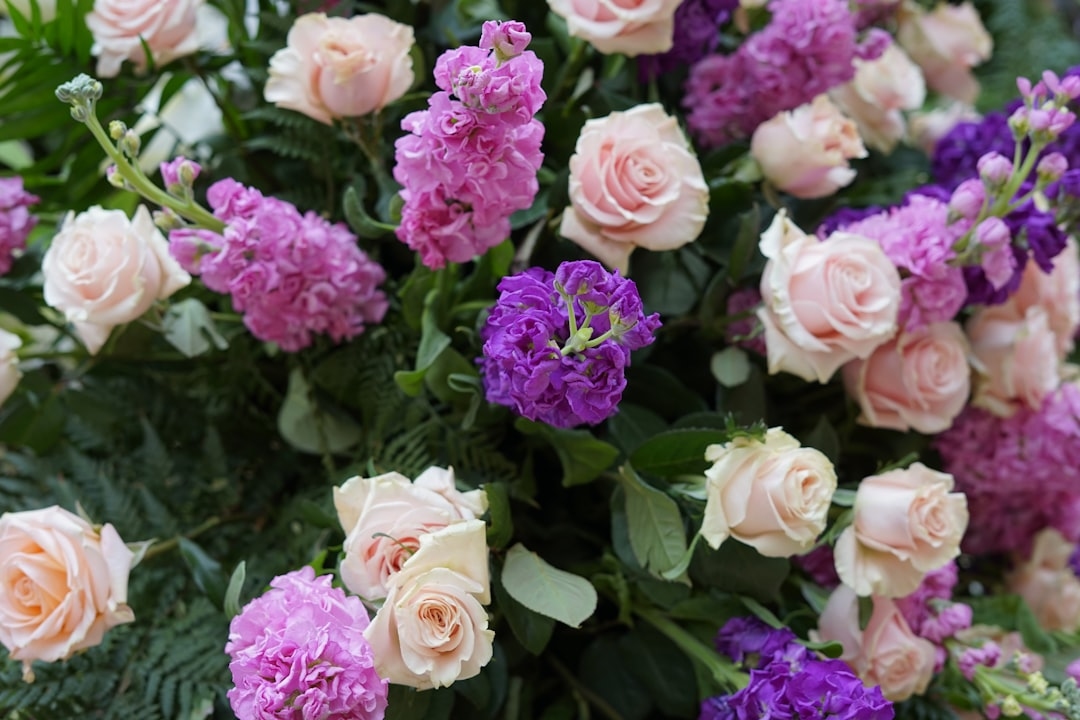
Contents:
- Why Funeral Flowers Matter More Than You Think
- A Quick History: Where This Tradition Comes From
- Types of Funeral Flower Arrangements Explained
- Casket Sprays
- Standing Sprays
- Sympathy Wreaths
- Floral Crosses and Religious Tributes
- Vase Arrangements and Bouquets
- Basket Arrangements
- Bud Vases and Single Stems
- The Meaning Behind Funeral Flowers: A Practical Guide to Symbolism
- White Lilies
- Roses
- Chrysanthemums
- Carnations
- Gladioli
- Forget-Me-Nots
- Color Palettes That Work for Funeral Arrangements
- How to Choose the Right Arrangement for Your Relationship to the Deceased
- Immediate Family
- Close Friends
- Coworkers and Acquaintances
- Sending to the Home
- What the Pros Know: Florist Insider Tips
- A Story About Getting It Right
- DIY Funeral Flower Arrangements: A Beginner’s Step-by-Step
- What You’ll Need
- Step 1: Prepare Your Flowers
- Step 2: Build Your Base
- Step 3: Establish Your Greenery Structure
- Step 4: Add Your Focal Flowers
- Step 5: Fill In with Secondary Flowers
- Step 6: Add Accent Flowers and Final Touches
- Recommended Flower Combinations for Beginners
- Where to Buy Funeral Flowers in the US
- Local Independent Florists
- Grocery Store Floral Departments
- Online Floral Services
- Warehouse and Wholesale Clubs
- Common Mistakes to Avoid
- Writing the Card: What to Say
- Caring for Sympathy Flowers After the Service
- Frequently Asked Questions About Funeral Flower Arrangements
- What flowers are most appropriate for a funeral?
- How much should you spend on funeral flowers?
- Is it appropriate to send flowers to a Jewish funeral?
- Can you send funeral flowers to the home instead of the funeral home?
- How far in advance should you order funeral flowers?
- Building a Tribute That Truly Honors Someone
What do you say when words simply aren’t enough? For thousands of years, humans have answered that question with flowers. A carefully chosen arrangement placed beside a casket, delivered to a grieving doorstep, or carried by a mourner speaks a language that transcends speech. Yet for many people, the moment they need to send funeral flowers is also the moment they realize they have absolutely no idea where to start.
This funeral flower arrangements guide covers everything — from the difference between a casket spray and a standing spray, to how much you should spend, to which blooms carry which meanings. Whether you’re ordering for the first time or trying to create something yourself, you’ll finish this article knowing exactly what to do.
Why Funeral Flowers Matter More Than You Think
Funeral flowers aren’t decoration. They’re communication. Research in grief psychology consistently shows that tangible expressions of sympathy — including floral tributes — meaningfully reduce feelings of isolation in bereaved families. A 2020 study published in OMEGA – Journal of Death and Dying found that families who received sympathy flowers reported feeling “more supported” and “less alone” in the days immediately following a loss.
Flowers also serve a practical function at services. They soften the stark geometry of a funeral home or chapel, direct the eye, and create a sense of sanctuary in a difficult space. A skilled florist doesn’t just fill vases — they shape the emotional atmosphere of an entire room.
Beyond the service itself, sympathy flowers sent to a home can extend comfort for days or even weeks afterward. Many families keep arrangements alive as long as possible because the flowers represent ongoing care from people who love them.
A Quick History: Where This Tradition Comes From
The practice of placing flowers with the dead predates written history. Archaeological evidence from a Neanderthal burial site at Shanidar Cave in Iraq — estimated at 60,000 years old — included fossilized pollen from flowers including grape hyacinth, groundsel, and yarrow. Some anthropologists believe this represents intentional placement, though the debate continues.
By the Victorian era, the language of flowers (called floriography) had become an elaborate social code. White lilies signified restored innocence. Rosemary meant remembrance. Cypress branches indicated mourning. Many of these associations persist in modern funeral floristry, even among florists who’ve never heard the word floriography.
In the United States, the modern funeral flower industry took shape in the early 20th century alongside the rise of professional funeral homes. Today, the floral segment of the American funeral industry generates approximately $3.5 billion annually, according to the Society of American Florists.
Types of Funeral Flower Arrangements Explained
This is where most beginners feel overwhelmed. There are more arrangement types than most people realize, and each serves a different purpose. Here’s a clear breakdown.
Casket Sprays
A casket spray is the large floral arrangement placed directly on top of the casket. It’s typically ordered by the immediate family. Full casket sprays cover the entire lid and are appropriate for open or closed caskets. Half sprays cover only the lower portion and are common when the casket will be open. Expect to spend $300–$700 for a professionally designed casket spray, depending on your region and the flowers chosen.
Standing Sprays
Standing sprays are large, easel-mounted arrangements displayed near the casket or altar. They’re among the most visible tributes in the room and are often sent by close friends, employers, or organizations. A standard standing spray measures roughly 36 inches tall and 24 inches wide. They typically cost $150–$400.
Sympathy Wreaths
Circular in form, wreaths symbolize eternal life and continuity. They’re displayed on easels, hung on doors, or placed at gravesites. A 20-inch wreath is a common standard size. Prices run from $80 to $250 depending on flower variety and density.
Floral Crosses and Religious Tributes
For Christian services, floral crosses — constructed on a foam frame in the shape of a cross — are a traditional choice. They range from 24 to 48 inches tall. Equivalent tributes exist for other faiths: Star of David arrangements for Jewish services, or lotus arrangements for Buddhist ceremonies.
Vase Arrangements and Bouquets
These are the most versatile type. They work both at services and as home deliveries for the bereaved family. A medium sympathy vase arrangement runs $60–$120 at most American florists. These are the right choice when you want to send something meaningful but aren’t part of the immediate family circle.
Basket Arrangements
Sympathy baskets — floral arrangements in wicker or handled baskets — are popular home deliveries because they don’t require a vase and look beautiful on a table. They typically run $75–$150 and last well if the family keeps them watered.
Bud Vases and Single Stems
Don’t underestimate simplicity. A single white lily in a slim vase, or three white roses tied with a ribbon, can be as eloquent as a $300 arrangement. These are appropriate for acquaintances, coworkers, or situations where you want to acknowledge a loss without overstepping.
The Meaning Behind Funeral Flowers: A Practical Guide to Symbolism
You don’t need to memorize Victorian flower dictionaries. But a basic understanding of traditional symbolism helps you choose something that feels genuinely intentional rather than generic.
White Lilies
The most iconic funeral flower in American tradition. White lilies — particularly the Casablanca lily — symbolize restored innocence and the peaceful transition of the soul. They’re appropriate for virtually any funeral regardless of religion or background. One caveat: lilies are toxic to cats, so avoid them if you’re delivering to a household with feline pets.
Roses
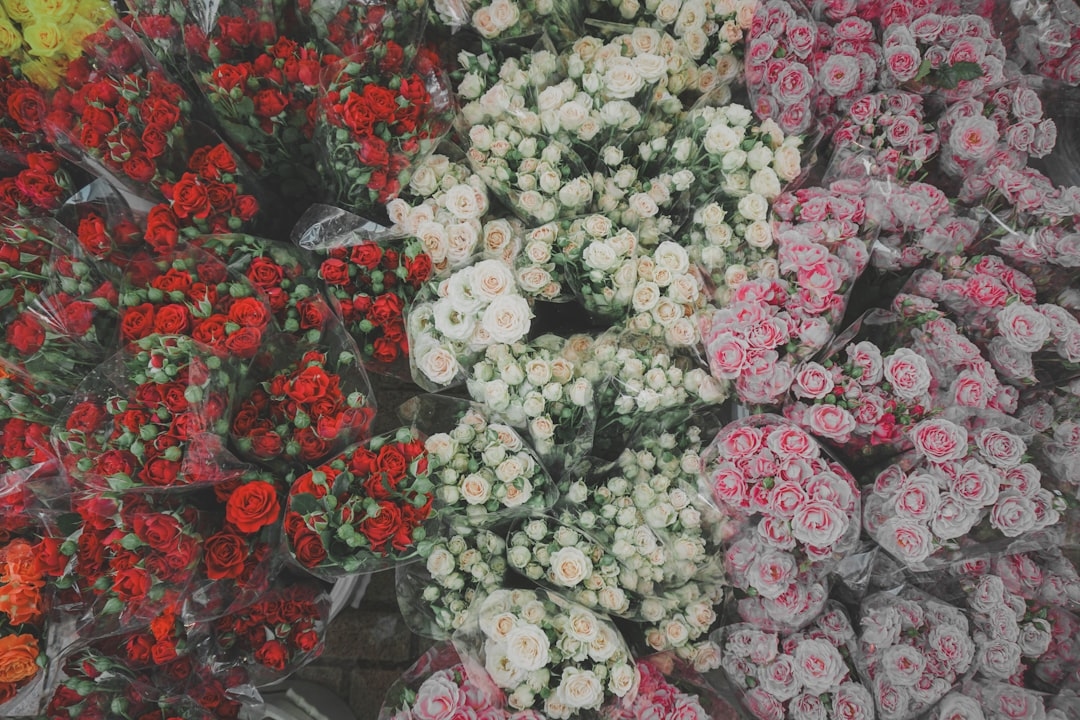
Color matters enormously with roses. White roses represent reverence and innocence. Red roses honor deep love and are most appropriate for a spouse or parent. Pink roses convey admiration and gratitude. Yellow roses, while cheerful in other contexts, can represent friendship and are perfectly acceptable at a funeral for someone who was known for their warmth and humor.
Chrysanthemums
In the United States and UK, white chrysanthemums are strongly associated with death and mourning — making them a natural funeral choice. Interestingly, this symbolism reverses in some Asian countries, where white chrysanthemums represent grief but yellow ones are celebratory. Know your family’s cultural background before selecting mums.
Carnations
Carnations are practical workhorses of funeral floristry: affordable, long-lasting (they hold up to 2 weeks in water), and symbolically meaningful. White carnations represent pure love and innocence. Pink carnations honor a mother’s undying love, making them especially appropriate when a mother has passed.
Gladioli
Tall, elegant, and architecturally striking, gladioli symbolize strength of character and moral integrity. They’re a fitting tribute for someone known for their dignity, service, or leadership. A single stem of gladiolus can anchor an entire arrangement.
Forget-Me-Nots
Small but powerful. These delicate blue flowers are one of the most directly named expressions of sympathy: forget me not. They’re often incorporated as accent flowers in arrangements and are a beautiful choice for someone with whom you shared a deep personal connection.
Color Palettes That Work for Funeral Arrangements
Most people default to white, and white is never wrong. But a wider palette can be more personal and meaningful.
- All white: Classic, peaceful, universally appropriate. Works for any service, any religion, any age.
- White and green: Clean and elegant. Greenery — eucalyptus, fern, Italian ruscus — adds texture and a sense of natural life without color distraction.
- Soft pastels (blush, lavender, pale yellow): Gentle and comforting. Works especially well for women, children, or someone known for their gentle nature.
- Rich jewel tones (deep purple, burgundy, navy): Dignified and dramatic. Appropriate for a statesperson, a military funeral, or someone with a formal aesthetic.
- Bright mixed colors: A celebration-of-life service or a tribute to someone known for their vibrant personality. Always check with the family first before sending something colorful to a traditional service.
How to Choose the Right Arrangement for Your Relationship to the Deceased
Not every arrangement is appropriate for every sender. Here’s a practical map based on your relationship to the person who passed.
Immediate Family
The immediate family typically orders the casket spray, a standing spray or two, and may also supply altar flowers. Budget of $500–$1,500 for all combined family floral contributions is reasonable in most American cities. Work directly with the funeral home’s preferred florist or an independent florist you trust.
Close Friends
A standing spray, a large sympathy basket, or a substantial vase arrangement ($100–$200) is appropriate. If several close friends are contributing together, pooling for a significant standing spray makes a meaningful collective statement.
Coworkers and Acquaintances
A tasteful vase arrangement or small basket in the $50–$80 range is entirely appropriate. Workplace collections often pool to purchase a single larger arrangement from the whole team — $150–$250 for a group makes a dignified impression.
Sending to the Home
If you’re sending sympathy flowers to the family’s home rather than the service, a basket arrangement, potted plant, or vase arrangement in the $60–$100 range works well. Potted plants — like a peace lily or orchid — have the advantage of lasting weeks or months, providing an ongoing reminder of care.
What the Pros Know: Florist Insider Tips
Pro Tip #1: Order at least 48–72 hours in advance. Same-day funeral flower orders put enormous pressure on florists and frequently result in substitutions. Services are often scheduled within 3–5 days of a death — call your florist the same day you learn about the passing.
Pro Tip #2: Ask your florist about “seasonal available.” Flowers that are in season locally will always look better and last longer than out-of-season imports. In spring, peonies and ranunculus outperform most hothouse alternatives. In winter, amaryllis and paperwhites are reliable and striking.
Pro Tip #3: Foam vs. water-based arrangements. Many funeral arrangements are built on floral foam (oasis), which holds shape well for display but shortens flower longevity. If the family will be keeping arrangements at home after the service, ask your florist to use a water source design or provide a vase arrangement instead.
Pro Tip #4: Fragrance matters. Some people find heavy fragrance comforting; others find it overwhelming in an enclosed funeral home. Stargazer lilies, tuberose, and hyacinths are intensely fragrant. If you’re unsure of the family’s preference, opt for lower-fragrance blooms like roses, carnations, or orchids.
A Story About Getting It Right
A reader named Patricia — a retired teacher in Baton Rouge — shared her experience after her husband of 41 years passed from heart failure in 2026. “I had no idea what to order,” she said. “I walked into the florist completely numb. The florist asked me one question: ‘What was something he loved?’ I said he grew gardenias in our backyard every summer without fail.”
The florist built his casket spray around gardenias — white, fragrant, and completely personal. “When I walked in and smelled those flowers, it felt like he was right there,” Patricia said. “Everyone commented on them. People I hadn’t spoken to in years came up to me and said they could tell how much thought went into it.”
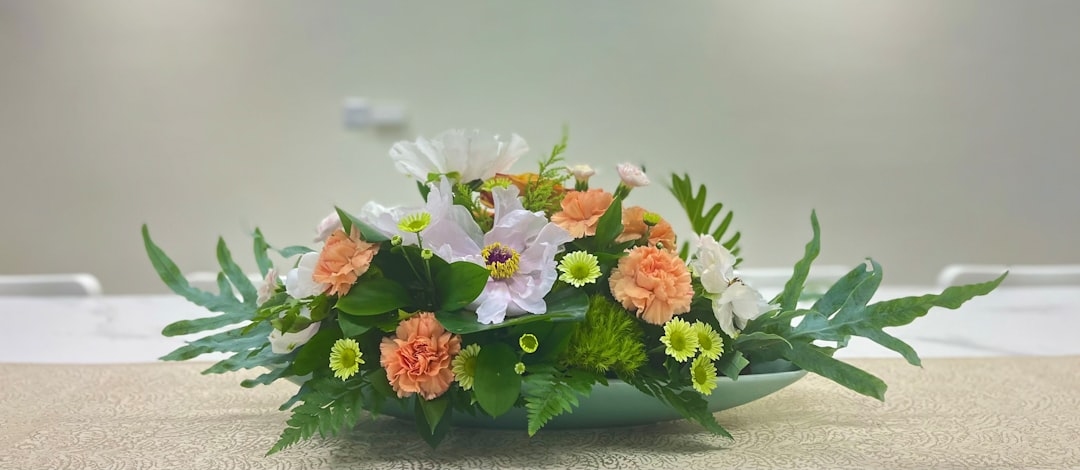
That’s the lesson. The most meaningful funeral arrangements aren’t the most expensive. They’re the most specific. A single detail — a gardenia, a sunflower he kept on his desk, her favorite color — transforms a generic tribute into something unforgettable.
DIY Funeral Flower Arrangements: A Beginner’s Step-by-Step
Creating your own funeral arrangement is entirely achievable, even if you’ve never worked with flowers before. Here’s how to do it well.
What You’ll Need
- A vessel: a vase, basket, or low compote bowl
- Floral foam (available at craft stores like Michaels for about $3–$5 per block) or a floral frog (a pin holder for the bottom of a vase)
- Sharp floral snips or scissors
- Flowers (see recommended varieties below)
- Greenery for filler: eucalyptus, Italian ruscus, or leatherleaf fern
- Floral preservative (often comes with store-bought bunches)
Step 1: Prepare Your Flowers
Strip all leaves from the lower two-thirds of each stem — submerged leaves rot quickly and foul the water. Cut stems at a 45-degree angle under running water or while submerged. This prevents air bubbles from blocking water uptake. Let flowers hydrate in cool water for at least 2 hours before arranging.
Step 2: Build Your Base
If using a vase, fill it two-thirds with cool water and a preservative packet. If using foam, soak the foam block until it sinks on its own (about 60–90 seconds), then press it into your vessel. Never force-soak foam — let it drink at its own rate.
Step 3: Establish Your Greenery Structure
Insert greenery stems first to create a framework. Aim for a roughly dome-shaped outline with 6–8 stems of eucalyptus or ruscus. This structure will guide where your flowers go. The tallest point of a low arrangement should be about 1.5 times the height of the vessel.
Step 4: Add Your Focal Flowers
Focal flowers are your largest, most eye-catching blooms — typically lilies, roses, or carnations. Insert them at three points of a triangle within your greenery framework. These anchor the arrangement visually. Cut stems to slightly different lengths so the blooms sit at varied heights.
Step 5: Fill In with Secondary Flowers
Secondary flowers (smaller blooms like alstroemeria, spray roses, or lisianthus) fill the visual gaps between focal flowers. Insert them at angles, turning the arrangement as you work to ensure it looks balanced from all sides. Most sympathy arrangements will be viewed from multiple angles.
Step 6: Add Accent Flowers and Final Touches
Accent flowers — waxflower, baby’s breath, statice, or forget-me-nots — soften the arrangement and add texture. Insert them last, filling any remaining gaps. Step back and view the arrangement from 3 feet away. Adjust any stems that look stiff or out of place.
Recommended Flower Combinations for Beginners
- Classic white: White roses + white carnations + eucalyptus + white waxflower
- Soft and comforting: Blush roses + lavender lisianthus + pale pink alstroemeria + silver dollar eucalyptus
- Bold and dignified: Deep burgundy roses + white snapdragons + burgundy chrysanthemums + dark green ruscus
Where to Buy Funeral Flowers in the US
You have more options than you might expect — and they vary significantly in quality and price.
Local Independent Florists
Your best option for quality, customization, and personal service. An experienced local florist will understand regional customs, can suggest appropriate designs, and can coordinate directly with the funeral home. Search for florists with “sympathy” or “funeral” gallery sections on their websites. Prices are competitive, and the quality almost always exceeds what you get online.
Grocery Store Floral Departments
Whole Foods, Trader Joe’s, and many regional grocery chains carry reasonable sympathy flower selections. They’re best for casual sympathy deliveries to a home rather than formal service arrangements. Expect to spend $25–$60 for a pre-designed arrangement. Quality varies by location.
Online Floral Services
FTD, Teleflora, and 1-800-Flowers are the dominant national players. They operate through a network of local florists. Prices tend to run 20–30% higher than going directly to a local florist for comparable quality, but the convenience is real. Always read the fine print — “designer’s choice” substitutions are common when specific flowers are unavailable.
Warehouse and Wholesale Clubs
Costco and Sam’s Club sell bulk fresh flowers at impressively low prices — sometimes $30–$50 for enough blooms to fill a large arrangement. This is an excellent option if you’re creating DIY arrangements for a home reception or memorial gathering.
Common Mistakes to Avoid
Even well-intentioned people make errors when ordering or creating funeral flowers. Here are the most frequent missteps — and how to sidestep them.
- Ordering too late. Calling a florist the morning of a service and expecting a custom arrangement is unrealistic. Give florists at least 48 hours, ideally 72. For a Saturday service, order by Wednesday.
- Ignoring cultural and religious customs. Jewish funerals traditionally limit floral tributes (flowers at a shiva are generally acceptable; casket flowers less so). Buddhist and Hindu services have their own conventions. When in doubt, call the funeral home and ask.
- Sending an arrangement that’s too large for a home. A 3-foot standing spray looks spectacular in a funeral chapel. In a small apartment living room, it becomes an obstacle. Scale your arrangement to the setting.
- Choosing flowers purely by price. The $39.99 “sympathy arrangement” on a wire service website is often significantly smaller than its photo suggests. Look for arrangements that list specific stem counts.
- Forgetting the card. This sounds obvious, but approximately 15% of sympathy flowers arrive without an attached card or with an illegible one. Always include a handwritten or clearly dictated card message. The family needs to know who sent what.
- Using strongly scented flowers in hospital settings. If flowers are going to a hospice room or hospital before a death, check fragrance policies — many facilities restrict them.
Writing the Card: What to Say
The card attached to your arrangement is often more remembered than the flowers themselves. Short and sincere always beats long and awkward.
Simple and heartfelt: “With deepest sympathy. [Name] is in our thoughts and prayers. — The Henderson Family”
Personal: “Remembering [Name]’s laugh and the way she lit up every room she entered. We’re so sorry for your loss. — Margaret and Tom”
For a coworker: “With sympathy from the entire team at [Company]. [Name] was a valued colleague and a kind presence. He will be remembered.”
Religious: “May God comfort you with the knowledge that [Name] is at peace. Our prayers are with your family.”
Avoid clichéd phrases like “in a better place” or “everything happens for a reason” — these are well-meaning but can land poorly depending on the family’s beliefs and circumstances. Stick to honoring the person and expressing care for the family.
Caring for Sympathy Flowers After the Service
Families often don’t know what to do with arrangements after a service. Here’s what you can tell them — or do yourself if you’re helping.
- Casket sprays and standing sprays can be disassembled and their individual blooms placed in water-filled vases throughout the home.
- Flowers in floral foam degrade faster than those in water. Transfer blooms to fresh water as soon as possible after the service.
- Refrigerating flowers overnight (not a freezer — a regular refrigerator at 35–40°F) significantly extends their life.
- Some families choose to press a few flowers from a meaningful arrangement as a lasting keepsake. Press flowers between pages of a heavy book for 2–3 weeks, or use a microwave flower press for faster results.
- Many cemeteries allow families to leave small arrangements graveside after burial. Ask the cemetery staff about their policy and recommended container types.
Frequently Asked Questions About Funeral Flower Arrangements
What flowers are most appropriate for a funeral?
White lilies, white roses, carnations, chrysanthemums, and gladioli are the most universally appropriate funeral flowers in the United States. White flowers signal respect and sympathy across nearly all cultural and religious backgrounds. If you’re unsure, an all-white arrangement with eucalyptus greenery is always appropriate.
How much should you spend on funeral flowers?
For close family: $300–$700+ for casket or standing sprays. For close friends: $100–$200 for a standing spray or large basket. For acquaintances or coworkers: $50–$80 for a vase arrangement. For group contributions from a workplace: $150–$250 for a combined arrangement. These ranges apply to most US metropolitan areas; prices in rural areas may be 15–20% lower.
Is it appropriate to send flowers to a Jewish funeral?
Jewish funerals traditionally do not emphasize flowers, and many observant families prefer donations to charity in lieu of floral tributes. However, sending flowers to the shiva house (the home where mourners receive visitors for several days after burial) is generally welcomed and appreciated. When in doubt, call the family or funeral home to ask.
Can you send funeral flowers to the home instead of the funeral home?
Yes, and this is often a meaningful choice. Sending flowers to the family’s home — particularly in the week or two after the service — extends your expression of sympathy beyond the day of the funeral. Opt for basket arrangements, potted plants, or vase arrangements that are easy to display at home. Avoid large easel-mounted sprays for home delivery.
How far in advance should you order funeral flowers?
Order as soon as you learn of the death — ideally within 24 hours of making your decision. Most florists need a minimum of 48–72 hours to source and create a custom arrangement. Same-day orders are sometimes possible but may result in flower substitutions. For a service on a weekend, order by Wednesday or Thursday at the latest.
Building a Tribute That Truly Honors Someone
The best funeral flower arrangements share one quality: they feel inevitable. Not in a sad way — in the way that the right word in a sentence feels inevitable. Everything belongs. Nothing is generic. The flowers speak to the specific life of the specific person.
That takes intention, not necessarily money. Ask one question before you order anything: What was this person known for? Then let the answer guide your choices. Sunflowers for the gardener. Gardenias for the Southern gentleman. Wildflowers for the woman who hiked every weekend. A branch of cherry blossom for the woman who spent thirty years in Japan.
This funeral flower arrangements guide has given you the vocabulary — the types, the meanings, the practical steps. Now use it not just to follow convention, but to say something true. The families who receive these arrangements remember them for years. That white lily or that single gardenia becomes part of how they carry their loved one forward.
Start with one call to a trusted local florist. Tell them who the person was. Then trust the process. Flowers have been doing this work for 60,000 years — they know what they’re doing.