The Ultimate Guide to Companion Planting with Flowers
18 min read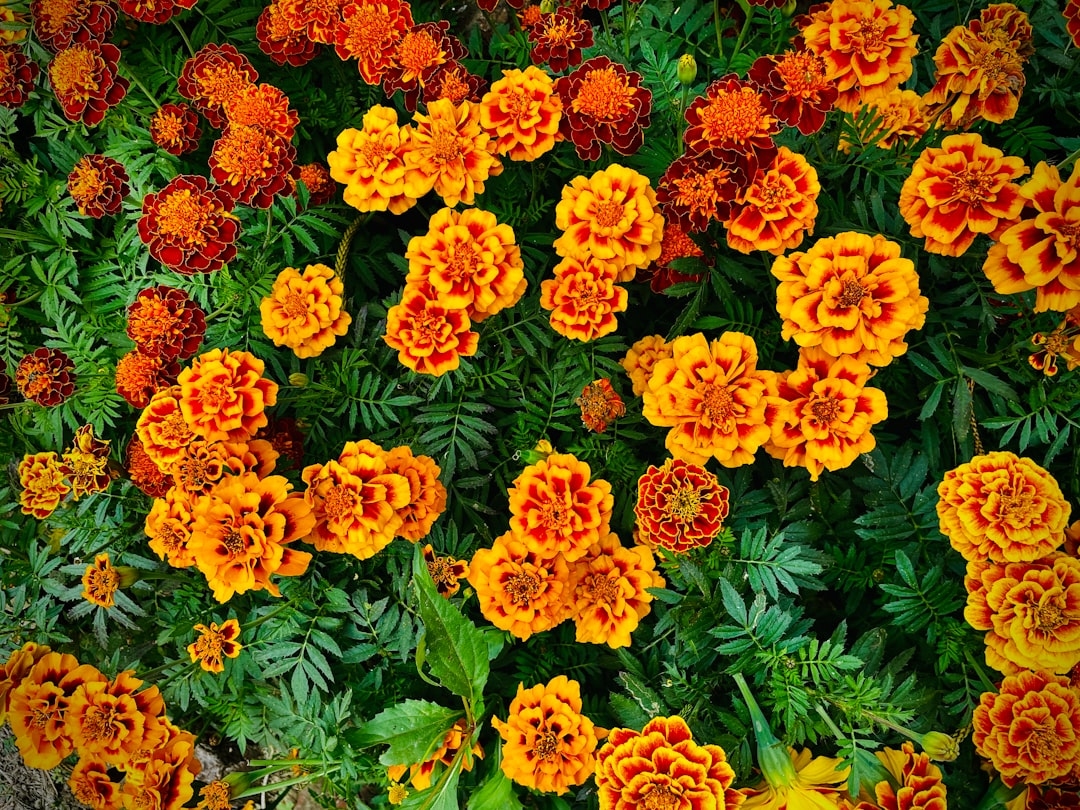
Contents:
- What Is Companion Planting and Why Flowers Are the Secret Weapon
- The Three Mechanisms Flowers Use to Help Neighboring Plants
- The Best Companion Planting Flowers Guide: Top Pairings That Actually Work
- Marigolds with Tomatoes, Peppers, and Squash
- Nasturtiums with Cucumbers, Beans, and Kale
- Borage with Strawberries, Tomatoes, and Squash
- Zinnias with Beans, Corn, and Cucumbers
- Sweet Alyssum with Lettuce, Herbs, and Brassicas
- Companion Planting Flowers by Vegetable: A Practical Reference
- Solanaceae: Tomatoes, Peppers, Eggplant
- Cucurbitaceae: Cucumbers, Squash, Melons
- Brassicaceae: Kale, Broccoli, Cabbage, Brussels Sprouts
- Fabaceae: Beans and Peas
- Leafy Greens: Lettuce, Spinach, Arugula, Chard
- Regional Considerations: How Climate Changes the Companion Planting Equation
- Northeast and Upper Midwest (USDA Zones 4–6)
- Southeast and Gulf Coast (USDA Zones 7–9)
- Pacific Coast and Southwest (USDA Zones 8–11)
- Companion Planting in Small Spaces: Container and Balcony Strategies
- The Mixed Container Method
- The Cluster Approach for Balconies
- Vertical Companion Planting
- Flowers That Do More Harm Than Good: What to Keep Separate
- Fennel: The Garden Loner
- Sunflowers Near Potatoes
- Gladiolus Near Beans and Peas
- Timing Your Blooms: Getting Flowers and Vegetables in Sync
- Succession Planting for Continuous Bloom
- Early-Season vs. Late-Season Companion Flowers
- Soil and Nutrition: How Companion Flowers Affect the Root Zone
- Nitrogen Dynamics and Flower Companions
- Root Zone Interactions
- Attracting Beneficial Insects: Building a Functional Habitat
- Key Beneficial Insects and Their Preferred Flowers
- Creating a Layered Habitat in Small Spaces
- Practical Tips for Getting Companion Planting Right the First Season
- Start with Three Proven Combinations
- Document What Happens
- Don’t Rely on Companion Planting Alone
- Choose Locally Adapted Varieties
- Frequently Asked Questions About Companion Planting with Flowers
- What flowers should I plant with tomatoes?
- Do companion planting flowers really work, or is it just gardening folklore?
- Can I do companion planting in containers?
- How close do companion flowers need to be to work?
- Which companion flowers work best for a small balcony garden?
- Building a Companion Planting Plan for Next Season
You’ve read that marigolds repel pests, so you tucked a few in between your tomatoes—and still watched aphids take over by July. Frustrating, right? The companion planting flowers guide most gardeners encounter online offers vague promises without the specifics you actually need to make it work. This guide is different. It covers the science, the pairings, the spacing, and the regional nuances that determine whether your flower-vegetable combinations thrive or just coexist.
Companion planting isn’t folk wisdom dressed up as horticulture. It’s a practice backed by decades of research in agroecology, and when done correctly, it can reduce pest pressure by up to 40% without a drop of pesticide. For apartment gardeners working with a balcony, a few raised beds, or even a sunny windowsill, strategic flower placement is one of the highest-return investments you can make in a small growing space.
What Is Companion Planting and Why Flowers Are the Secret Weapon
Companion planting is the practice of growing different plant species in close proximity so they benefit one another. Those benefits fall into several categories: pest deterrence, pollinator attraction, nutrient cycling, ground cover, and even flavor enhancement. Flowers, specifically, punch well above their weight in most of these categories.
Unlike vegetables, many flowering plants have evolved sophisticated chemical defense systems. They release volatile compounds through their roots and foliage that confuse or repel insects, attract predatory bugs that hunt pests, or simply mask the scent of nearby crops. A 2019 study published in Agriculture, Ecosystems & Environment found that intercropping brassicas with flowering plants reduced cabbage aphid populations by 37% compared to monocropped control plots.
Beyond pest management, flowers serve as pollination engines. Even self-pollinating vegetables like tomatoes produce significantly higher yields when bee activity increases. One Cornell University extension report noted that tomato plots near diverse flowering borders yielded up to 20% more fruit per plant due to improved vibration pollination from bumble bees attracted by nearby blooms.
The Three Mechanisms Flowers Use to Help Neighboring Plants
- Chemical deterrence: Root exudates and foliar volatiles confuse or repel herbivorous insects. Marigolds (Tagetes spp.) release alpha-terthienyl, a compound toxic to nematodes in the soil.
- Biological attraction: Nectar-rich flowers recruit beneficial insects—lacewings, hoverflies, parasitic wasps—that prey on common garden pests like aphids, whiteflies, and caterpillars.
- Physical disruption: Dense or tall flowering plants act as visual and olfactory barriers, making it harder for flying pests to locate host crops by scent or sight.
The Best Companion Planting Flowers Guide: Top Pairings That Actually Work
Not every flower works with every vegetable. The most effective pairings share compatible root depths, similar water needs, and complementary pest-management profiles. Below are the combinations with the strongest evidence base and the best track records for home gardeners.
Marigolds with Tomatoes, Peppers, and Squash
French marigolds (Tagetes patula) are the gold standard of companion flowers, but only when used correctly. Plant them within 18 inches of host crops—not scattered randomly across a bed. The nematicidal effect from their roots requires direct soil contact in the surrounding zone. A single French marigold planted more than 24 inches from a tomato plant offers almost no root-zone benefit.
For container gardeners, plant one 4-inch marigold transplant per 12-inch pot alongside your pepper or tomato. They won’t compete aggressively for nutrients, and their shallow root system (typically 6–8 inches deep) stays out of the way of deeper-rooted vegetables.
Above ground, marigold scent deters whiteflies and thrips from peppers and tomatoes. Research from the University of Exeter found that French marigolds reduced whitefly numbers on tomato plants by 67% when planted as a border around greenhouse beds. In open gardens, the effect is less dramatic but still meaningful—particularly when combined with other deterrent strategies.
Nasturtiums with Cucumbers, Beans, and Kale
Nasturtiums (Tropaeolum majus) are the multitaskers of companion planting. They act as trap crops—drawing aphids away from nearby vegetables—while simultaneously attracting predatory insects like hoverflies that then hunt aphids elsewhere in the garden. This dual role makes them especially valuable in small spaces where you need every plant to earn its keep.
Plant nasturtiums at the edge of a raised bed or container cluster, approximately 12 inches from kale or cucumber starts. Within two to three weeks, you’ll likely see aphid colonies forming on nasturtium leaves. That’s the system working: inspect those leaves weekly, and when aphid populations peak, remove and dispose of heavily infested leaves rather than spraying. The hoverfly larvae feeding on those aphids will migrate to other areas of your garden.
Nasturtiums also have an underrated culinary bonus—both flowers and leaves are edible, with a peppery flavor similar to watercress. In a small-space garden where every square foot matters, a plant you can eat and use as a pest trap is genuinely hard to beat. Expect plants to spread 12–24 inches wide, so give trailing varieties room or choose compact bush types for containers.
Borage with Strawberries, Tomatoes, and Squash
Borage (Borago officinalis) is one of the most pollinator-attractive plants you can grow. Its star-shaped blue flowers produce nectar almost continuously from midsummer to first frost and are particularly attractive to bumble bees—the primary pollinators of tomatoes and squash. A single borage plant can attract up to three times more bee visits to a nearby tomato plant than an unplanted control, according to research from the UK’s Garden Organic organization.
In small spaces, borage is worth growing in a dedicated 12-inch container placed near your fruiting vegetables rather than intercropped directly, since it grows 18–24 inches tall and can shade smaller plants. It self-seeds prolifically, which is either a blessing or a nuisance depending on your setup—in a contained container garden, deadhead spent blooms to control spread.
Borage also has a folkloric reputation for deterring tomato hornworm, though the scientific evidence here is anecdotal rather than peer-reviewed. That said, experienced gardeners report consistent results. As Dr. Melissa Hartwell, PhD in Horticultural Science and former extension specialist at the University of Vermont, puts it: “Borage is one of those plants where the anecdotal evidence is so consistent across so many climates and growing conditions that it’s hard to dismiss. I recommend it to every tomato grower I work with.”
Zinnias with Beans, Corn, and Cucumbers
Zinnias (Zinnia elegans) are one of the most reliable attractors of predatory wasps, which parasitize hornworm eggs and caterpillar larvae before they hatch. Plant zinnias in clusters of three to five plants at the corners of raised beds or in containers adjacent to legumes and cucumbers for best effect.
Zinnias bloom in as little as 60 days from seed, making them practical for short-season gardeners. They thrive in heat and full sun, so they pair naturally with warm-season crops like beans and cucumbers that share the same conditions. Space standard varieties 12 inches apart; compact types like ‘Zahara’ work well in 8-inch containers.
One overlooked benefit: zinnias are exceptional cut flowers with vase lives of 7–14 days. For apartment gardeners who want both a productive outdoor space and fresh flowers indoors, zinnias pull double duty without taking up additional space.
Sweet Alyssum with Lettuce, Herbs, and Brassicas
Sweet alyssum (Lobularia maritima) is the best low-growing companion flower for cool-season crops. Its tiny white or purple flowers are packed with nectar accessible to small parasitic wasps—beneficial insects too small to feed on large blooms but highly effective at controlling aphids and cabbage worms.
Plant alyssum as a border or understory beneath taller brassicas like broccoli or cabbage. At only 3–6 inches tall, it won’t compete for light. It tolerates light shade well, making it suitable for the edges of container clusters where taller plants cast shadow. For lettuce companion planting, alyssum planted in the same container or immediately adjacent consistently outperforms other companion flowers in attracting the hoverflies that prey on lettuce aphids.
Alyssum also has a secondary benefit: its dense mat of growth suppresses weeds and retains soil moisture—particularly useful in container gardens where soil dries quickly in summer heat.
Companion Planting Flowers by Vegetable: A Practical Reference
Rather than choosing flowers first and figuring out where to put them, match your flower selection to the specific vegetables you’re growing. The following pairings are organized by vegetable family for quick reference.
Solanaceae: Tomatoes, Peppers, Eggplant
- Best companions: French marigold, borage, zinnia, basil (technically an herb, but flowering basil is a potent companion)
- Avoid: Fennel flowers—fennel produces compounds that inhibit tomato growth when planted within 24 inches
- Spacing tip: Keep marigolds within 18 inches; borage can be in an adjacent container up to 3 feet away
Cucurbitaceae: Cucumbers, Squash, Melons
- Best companions: Nasturtium, zinnia, borage, bee balm
- Key benefit: Pollination is the primary concern for cucurbits; prioritize flowers with high bee-attracting power
- Data point: Squash yield increases of 15–25% have been documented when borage or bee balm is planted within 5 feet of squash hills
Brassicaceae: Kale, Broccoli, Cabbage, Brussels Sprouts
- Best companions: Sweet alyssum, nasturtium, marigold, hyssop
- Key benefit: Pest deterrence is the primary goal—cabbage worms, aphids, and flea beetles are the main threats
- Avoid: Strawflowers and other Asteraceae with large disk flowers—they attract thrips that can migrate to brassica crops
Fabaceae: Beans and Peas
- Best companions: Zinnia, calendula, sweet pea (for visual separation), lavender
- Note: Beans fix their own nitrogen, so nitrogen-hungry flowers won’t deplete their soil. This makes them flexible companion hosts.
- Avoid: Onion flowers and chive blooms planted directly adjacent—allium compounds can inhibit bean germination
Leafy Greens: Lettuce, Spinach, Arugula, Chard
- Best companions: Sweet alyssum, violas, calendula, lobelia
- Cool-season focus: Pair with early-blooming flowers that thrive in spring temperatures (40–65°F)
- Container tip: Violas planted at the edge of a lettuce window box provide continuous bloom and take up only 4–6 inches of lateral space
Regional Considerations: How Climate Changes the Companion Planting Equation
The companion planting advice that works in coastal California doesn’t automatically translate to a rooftop garden in Boston or a balcony in Atlanta. Climate affects bloom timing, pest pressure, and which beneficial insects you’re actually trying to attract—and your flower selection should reflect those differences.
Northeast and Upper Midwest (USDA Zones 4–6)
Short growing seasons and late frosts push companion planting into a compressed window. In Boston, Chicago, or Minneapolis, you might have only 120–140 frost-free days. Prioritize fast-blooming companions that reach peak flower within 50–60 days of transplanting: zinnias, sweet alyssum, and nasturtiums all fit this profile. Start them indoors 4–6 weeks before your last frost date (typically late April to mid-May, depending on your zone).
In the Northeast, the primary soil pest concern is root-knot nematodes in warm summers and fungal diseases in wet springs. French marigolds planted in May will establish root-zone nematicidal activity by mid-June—right when warm soil temperatures activate nematode populations. This timing matters; planting marigolds in July is largely reactive and less effective than early establishment.
Southeast and Gulf Coast (USDA Zones 7–9)
Heat, humidity, and a longer growing season create both opportunities and challenges in the South. The primary pest threats shift toward spider mites, squash vine borers, and whiteflies, which thrive in hot, dry conditions. Lantana (Lantana camara), while invasive in some Gulf Coast counties—check your local extension before planting—is an exceptional attractor of parasitic wasps in regions where it’s safe to grow. Pentas and Mexican sunflower (Tithonia rotundifolia) are excellent non-invasive alternatives that bloom through summer heat up to 100°F.
Southern gardeners also benefit from a fall planting window unavailable to northern counterparts. Calendula planted in late August blooms through November in Zones 8–9, extending beneficial insect habitat well into the fall vegetable season.
Pacific Coast and Southwest (USDA Zones 8–11)
West Coast gardeners deal with a different set of variables: coastal fog, mild temperatures, and—especially in California—strict water conservation requirements. Drought-tolerant companion flowers are essential. Lavender, yarrow (Achillea millefolium), and California poppy (Eschscholzia californica) all attract beneficial insects while surviving on minimal supplemental water once established.
In Southern California and the Southwest desert, the challenge is bloom timing around extreme summer heat. Many flowering companions go dormant or bolt in July and August temperatures above 95°F. Plant in early spring (February–March in Zone 10) and again in September for fall gardens. Alyssum, in particular, resents temperatures above 85°F and will stop blooming during heat waves, resuming only when temperatures drop in fall.
Companion Planting in Small Spaces: Container and Balcony Strategies
The principles of companion planting don’t require a sprawling garden. In fact, the contained nature of container gardening can amplify some companion effects—scent molecules concentrate in smaller spaces, beneficial insects stay closer to the food source, and you have precise control over plant proximity.
The Mixed Container Method
Combine one primary vegetable with one companion flower in a single container, using the “thriller, filler, spiller” design framework adapted for edible gardening. The vegetable is the thriller (vertical focal point), the companion flower is the filler (mid-height interest), and a trailing herb or low-growing alyssum is the spiller (cascading over the edge).
A proven combination for a 14-inch container: one cherry tomato (‘Tumbling Tom’ or ‘Tiny Tim’), one French marigold (4-inch pot transplant), and three sweet alyssum plugs at the container edge. This configuration provides nematode suppression in the root zone, whitefly deterrence above ground, and alyssum’s hoverfly-attracting power at soil level. Water requirements are compatible: all three plants prefer consistent moisture with good drainage.
The Cluster Approach for Balconies
When you have multiple containers on a balcony or patio, arrange them in clusters by function rather than aesthetics. Group your fruiting vegetables (tomatoes, peppers, cucumbers) together and place companion flower containers at the perimeter. A 3-foot perimeter of marigolds, nasturtiums, or zinnias around a central cluster of vegetable containers mimics the border-planting approach used in market gardens.
Beneficial insects operate within defined foraging ranges. Hoverflies, for instance, typically forage within a 30-foot radius of their preferred habitat. Concentrating your companion flowers within 5–10 feet of your vegetables ensures those insects are hunting pests in the right location.
Vertical Companion Planting
For truly space-constrained gardens, consider vertical arrangements. A trellis planted with climbing nasturtiums alongside pole beans or cucumbers creates a companion-planting wall that occupies a footprint of less than 2 square feet while providing 6–8 feet of interplanted growing space. Climbing nasturtium varieties like ‘Spitfire’ or ‘Moonlight’ reach 6–8 feet and bloom continuously through summer.
Flowers That Do More Harm Than Good: What to Keep Separate
Companion planting literature tends to focus on positive combinations. But understanding which flowers to keep away from vegetables is equally important—particularly when space is limited and mistakes are costly.
Fennel: The Garden Loner
Fennel (Foeniculum vulgare) is allelopathic—it produces root exudates that inhibit the germination and growth of many neighboring plants, including tomatoes, peppers, beans, and most herbs. Keep fennel in a dedicated container at least 24 inches away from other vegetables. It’s not that fennel has no companion value; it does attract beneficial insects when in bloom. But its negative chemical effects on neighbors outweigh those benefits in a small garden where proximity is unavoidable.
Sunflowers Near Potatoes
Sunflowers (Helianthus annuus) are enthusiastic resource competitors. Their roots extend 2–3 feet deep and spread aggressively, competing directly with the shallow root systems of potatoes, beans, and lettuce. They also produce allelopathic compounds from decomposing plant material that can inhibit seed germination in the same soil the following season. In a container garden, sunflowers are best grown alone or with deep-rooted companions like tomatoes with adequate spacing—at least 18 inches between sunflower and vegetable containers.
Gladiolus Near Beans and Peas
Gladiolus is prone to thrips infestations, and those thrips will migrate readily to neighboring beans, peas, and strawberries. If you love gladiolus, grow it in a separate container away from the vegetable cluster—or accept that you’ll be managing thrips on your legumes as a consequence.
Timing Your Blooms: Getting Flowers and Vegetables in Sync
A companion flower that blooms two weeks after your vegetable crop has already been damaged by pests isn’t doing its job. Synchronizing bloom time with the period of highest pest pressure is one of the most overlooked aspects of companion planting—and one of the most important.
Succession Planting for Continuous Bloom
Rather than planting all your companion flowers at once, stagger plantings every 2–3 weeks. Start a pot of alyssum and marigolds when you transplant your first tomatoes, then start another batch three weeks later. This ensures you always have fresh flowers in peak bloom—which is when beneficial insect recruitment is highest—rather than a single exhausted flush that peaks and fades.
Early-Season vs. Late-Season Companion Flowers
Match companion flowers to the season of your vegetables:
- Early spring (cool-season crops): Violas, sweet alyssum, calendula, nemesia. These bloom at 45–60°F and support early pollinator activity when beneficial insect populations are just emerging.
- Midsummer (warm-season crops): Zinnias, marigolds, nasturtiums, borage. Peak bloom in 75–90°F temperatures aligns with the peak pest pressure period for tomatoes, peppers, and cucumbers.
- Fall (second-season crops): Calendula, flowering kale (ornamental but still attracts late-season pollinators), sweet alyssum (if temperatures drop below 85°F). Fall companions support late pollinator populations before winter dormancy.
Soil and Nutrition: How Companion Flowers Affect the Root Zone
The below-ground effects of companion flowers are as important as what happens above the soil line, yet they receive far less attention in most gardening guides.
Nitrogen Dynamics and Flower Companions
Most flowering companions are not nitrogen fixers—that role belongs to legumes. However, some, like phacelia (Phacelia tanacetifolia), have deep taproots that break up compacted soil and bring subsoil nutrients to the surface as they decompose. Phacelia grown as a companion and then cut and composted in place adds organic matter and releases nutrients for neighboring plants.
In container gardening, nutrient competition between companion flowers and vegetables is a real concern. Fertilize containers every 10–14 days with a balanced liquid fertilizer (10-10-10 or similar) rather than relying on slow-release granules that can’t be adjusted if companion plants show nutrient deficiency. Most companion flowers—marigolds, nasturtiums, alyssum—are light feeders and won’t significantly compete with vegetables in a well-fertilized container.
Root Zone Interactions
Different companion flowers occupy different root depths, which means they can share container or bed space without competing directly:
- Shallow (0–6 inches): Sweet alyssum, violas, lobelia—ideal container edges and borders
- Medium (6–12 inches): Marigolds, nasturtiums, zinnias—suitable as mid-bed companions
- Deep (12+ inches): Borage, sunflowers, calendula—best in large containers or ground beds with adequate depth
Attracting Beneficial Insects: Building a Functional Habitat
Companion flowers don’t just repel pests—they actively recruit an army of beneficial insects that do most of the actual pest control work. Understanding which beneficial insects you want and which flowers attract them gives you precise control over your garden’s ecological balance.
Key Beneficial Insects and Their Preferred Flowers
- Hoverflies (Syrphidae): Larvae consume aphids at a rate of 400 per larva during development. Adults feed on nectar from flat, open flowers: sweet alyssum, fennel (keep contained), phacelia, and coriander in bloom.
- Parasitic wasps (Braconidae, Ichneumonidae): Parasitize caterpillar eggs and aphids. Attract with small-flowered umbellifers: dill, coriander, Queen Anne’s lace. Zinnias and marigolds also work well.
- Lacewings (Chrysopidae): Voracious aphid predators as larvae. Adults need nectar and pollen from composite flowers: calendula, coreopsis, yarrow.
- Ground beetles (Carabidae): Hunt slugs, cutworms, and soil-dwelling pests. Attract by planting low, dense flowering groundcovers that provide daytime shelter: thyme in bloom, creeping veronica, alyssum.
Creating a Layered Habitat in Small Spaces
Even on a 6-foot balcony, you can create a functional beneficial insect habitat by layering flower heights. A tall zinnia or borage container (18–24 inches) provides upper-canopy nectar sources. A medium-height marigold or calendula container occupies the mid-layer. Low-growing alyssum or violas at the base provide ground-level habitat and food for the smallest beneficial insects. This three-layer approach concentrates diversity in a small footprint and supports multiple insect species simultaneously.
Practical Tips for Getting Companion Planting Right the First Season
Theory is useful. Execution is where most gardeners stumble. These concrete recommendations will help you avoid the most common first-season mistakes.
Start with Three Proven Combinations
Resist the urge to try every pairing at once. In your first season, master three combinations: marigolds with tomatoes, nasturtiums with kale or cucumbers, and alyssum with lettuce. These three pairings cover the most common home garden crops, have the strongest evidence base, and use flowers that are widely available, inexpensive (typically $2–$4 per 4-inch transplant, or $1–$3 per seed packet), and easy to grow.
Document What Happens
Keep a simple garden journal or take weekly photos of your paired plants. Note the date flowers open, when you first observe pest pressure, which pests appear, and whether companion plants seem to be reducing or attracting insect activity. This documentation will be invaluable when you expand your companion planting in year two—and it will reveal patterns that no generalized guide can predict for your specific microclimate.
Don’t Rely on Companion Planting Alone
Companion planting is a component of an integrated pest management strategy, not a complete solution. In a heavy aphid year, nasturtiums will slow the infestation but may not stop it. Have a fallback: insecticidal soap spray (safe for vegetables and beneficial insects once dry) at a dilution of 2 tablespoons per gallon of water is an effective, low-impact intervention that complements rather than undermines your companion planting system.
Choose Locally Adapted Varieties
The same species can behave very differently across regions. ‘Lemon Gem’ marigold, a signet variety, outperforms French marigolds in wet, cool conditions typical of the Pacific Northwest and Northeast. In the Southeast’s summer heat, ‘African’ marigold varieties (T. erecta) are more heat-tolerant than French types and maintain bloom longer. Ask your local nursery which companion flower varieties perform best in your specific climate rather than defaulting to the first marigold pack you see.
Frequently Asked Questions About Companion Planting with Flowers
What flowers should I plant with tomatoes?
The most effective flowers for tomatoes are French marigolds (Tagetes patula), planted within 18 inches to suppress nematodes and deter whiteflies; borage, which attracts bumble bees that improve fruit set; and zinnias, which recruit parasitic wasps that control hornworm populations. Plant at least one of each in a dedicated companion container near your tomatoes for best results.
Do companion planting flowers really work, or is it just gardening folklore?
The evidence is mixed but meaningful. Some pairings—particularly marigolds with tomatoes for whitefly reduction and alyssum for hoverfly attraction—are well-supported by peer-reviewed research. Others, like borage deterring hornworms, have strong anecdotal support but limited controlled studies. Companion planting is most effective as part of a broader integrated pest management approach rather than as a standalone strategy.
Can I do companion planting in containers?
Yes. Companion planting works well in containers, particularly for pest deterrence and pollinator attraction. Use 12–14 inch containers to allow enough root space for both vegetable and companion flower. Stick to compact companion varieties—’Signet’ marigolds, bush nasturtiums, or sweet alyssum—that won’t outcompete your vegetables for water and nutrients.
How close do companion flowers need to be to work?
It depends on the mechanism. For root-zone effects (like marigold nematode suppression), companion flowers should be within 12–18 inches of host plants. For airborne volatile deterrence (scent-based pest confusion), 18–36 inches is generally effective. For attracting beneficial insects, flowers anywhere within a 20–30 foot radius will benefit the broader garden, though closer placement increases the effect.
Which companion flowers work best for a small balcony garden?
Sweet alyssum, compact French marigolds (‘Signet’ varieties), and bush nasturtiums are the best choices for balconies. All three stay under 12 inches tall, thrive in containers, require minimal water once established, and provide the three key companion planting benefits: pest deterrence, beneficial insect attraction, and pollination support. Start with a 6-inch pot of alyssum per vegetable container as a minimum-effort, high-impact starting point.
Building a Companion Planting Plan for Next Season
The most effective companion planting happens when it’s planned before the growing season begins, not retrofitted after problems appear. In January or February, sketch a rough layout of your growing space—whether that’s a balcony diagram or a notebook list of container sizes. For each vegetable you plan to grow, assign a companion flower based on the pairings in this guide, and order seeds early. Popular companion flower seeds like ‘Lemon Gem’ marigold and climbing nasturtiums sell out at many seed companies by March.
Budget roughly $15–$25 for a first-season companion planting setup if you’re starting from seed, or $30–$50 if you prefer transplants. That investment typically pays for itself many times over in reduced crop losses, reduced need for pest intervention, and the very real pleasure of a garden that buzzes with life from early summer to first frost.
Next year’s companion planting plan should also incorporate what you’ve observed this season. Did aphids hit your kale in June? Schedule nasturtiums to be blooming by late May. Did your tomatoes underperform on pollination? Add a borage container to your fruiting-vegetable cluster. Companion planting is iterative—each season informs the next, and within two or three years, you’ll have a system that’s calibrated specifically to your microclimate, your most common pests, and the crops you love most.