The Ultimate Guide to Growing and Selling Dried Flowers
14 min read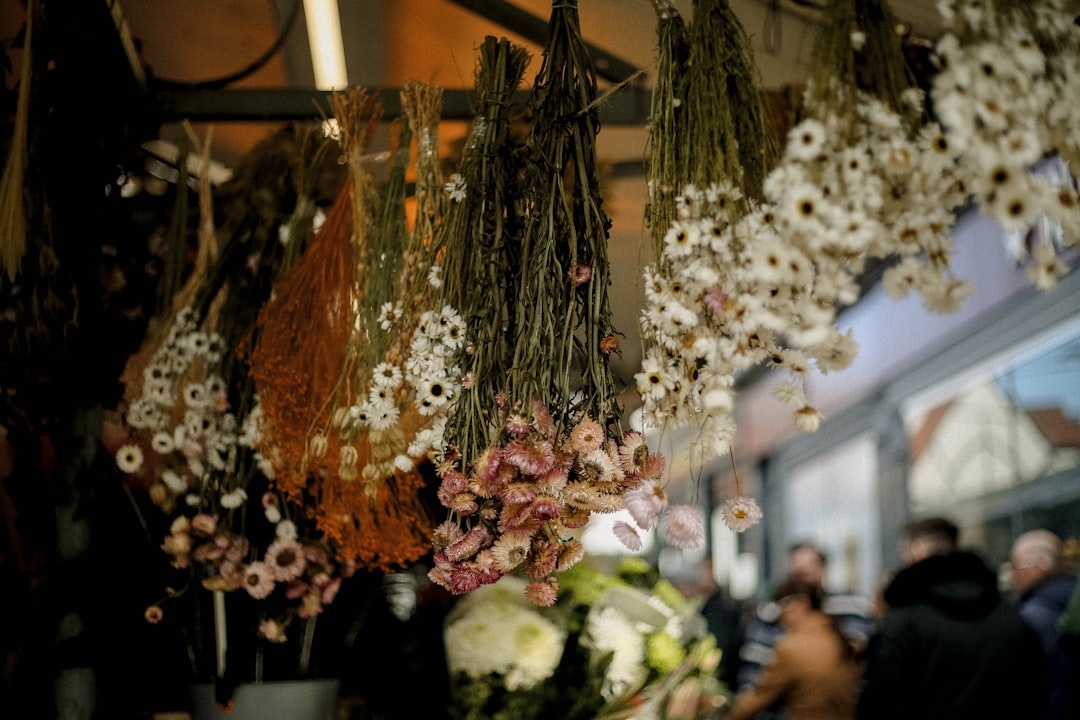
Contents:
- Dried Flowers vs. Preserved Flowers: An Important Distinction
- Best Flowers to Grow for Drying and Selling
- High-Volume Sellers
- Premium and Specialty Stems
- Foliage and Filler
- Setting Up Your Growing Space
- Soil and Bed Preparation
- Planning Your Planting Calendar
- Harvesting at the Right Stage
- Harvest Tips by Variety
- Drying Methods: Which One Is Right for You?
- Air Drying (Best for Beginners)
- Silica Gel Drying (Best for Delicate Flowers)
- Pressing (Best for Greeting Cards and Framed Art)
- Budget Breakdown: Starting a Dried Flower Business
- Where to Sell Dried Flowers: A Practical Breakdown
- Farmers Markets
- Etsy and Online Marketplaces
- Wholesale to Florists and Boutiques
- Craft Fairs and Holiday Markets
- Pricing Your Dried Flowers for Profit
- A Real Grower’s Story: From Backyard to Booth
- Packaging and Branding on a Budget
- Scaling Up: Moving Beyond Your First Season
- Adding Perennials to Reduce Annual Seed Costs
- Offering DIY Kits and Workshops
- Building a Seasonal CSA or Subscription
- Common Mistakes to Avoid
- Frequently Asked Questions About Growing and Selling Dried Flowers
- How long do dried flowers last once sold?
- Do you need a business license to sell dried flowers?
- What is the most profitable dried flower to grow and sell?
- Can you grow dried flowers in small spaces or containers?
- How do you ship dried flowers without damaging them?
- Your Next Step Starts This Season
Dried flowers are outselling fresh bouquets in certain Etsy categories — and they last 12 months instead of 12 days. That single fact has sent thousands of home gardeners scrambling to turn their backyard plots into small but legitimate cottage businesses. This guide covers everything you need to know about growing and selling dried flowers, from soil prep and seed selection to pricing strategy and finding your first customer.
The dried flower market in the United States has grown steadily alongside the broader “slow living” and sustainable décor movement. According to industry data from the Society of American Florists, dried and preserved botanicals now account for a meaningful share of specialty floral retail — a segment that barely registered a decade ago. This isn’t a passing trend. Consumers want low-maintenance beauty, and dried florals deliver exactly that.
Dried Flowers vs. Preserved Flowers: An Important Distinction
Before you plant a single seed, get clear on terminology. Dried flowers and preserved flowers are frequently confused, but they are fundamentally different products with different production methods, price points, and customer expectations.
Air-dried flowers are hung upside down or laid flat and allowed to dehydrate naturally. The process costs almost nothing — just time and airflow. Colors shift and soften during drying, which many buyers find charming. Statice, strawflowers, and larkspur all air-dry beautifully. Most home growers start here.
Preserved flowers — particularly roses and eucalyptus — are treated with a glycerin-based solution that replaces the plant’s moisture. They retain a supple, almost-fresh feel and vivid color for years. The process requires purchasing glycerin solution ($15–$40 per gallon depending on brand), and the results command a premium. A single preserved rose stem can retail for $8–$15 compared to $1–$2 for a dried larkspur stem.
For growers just starting out on a budget, air drying is the obvious entry point. Once you’ve established revenue, preserved botanicals can become a high-margin add-on — but don’t let the complexity distract you from the basics first.
Best Flowers to Grow for Drying and Selling
Not every garden flower dries well enough to sell. The best candidates share a few traits: sturdy petals, low moisture content, and colors that hold reasonably well through the drying process. Below are the top performers organized by what they’re best suited for.
High-Volume Sellers
- Strawflowers (Xerochrysum bracteatum) — Often called the gold standard of dried flowers. Papery petals require no special treatment. Retail price: $4–$8 per stem at farmers markets.
- Statice (Limonium sinuatum) — A filler workhorse. Dries with almost no color loss. Grows prolifically from seed, with a single 25-foot row yielding hundreds of stems per season.
- Larkspur (Consolida ajacis) — Direct-sow in fall or very early spring. Tall, spiky, and gorgeous in purple, pink, and white. One of the easiest dried flowers to grow in USDA Zones 3–9.
- Celosia — Comes in feathery plumes and brain-like crested forms. Incredibly fast-growing (60–70 days from seed). Retains vibrant reds, oranges, and pinks after drying.
Premium and Specialty Stems
- Pampas grass (Cortaderia selloana) — One plume can retail for $5–$12. Drought-tolerant once established, but takes 2–3 years to reach maturity from seed. Consider buying established crowns to save time.
- Globe thistle (Echinops ritro) — Striking metallic-blue spheres that dry perfectly and repel insects naturally. A perennial in Zones 3–9, meaning you plant once and harvest for years.
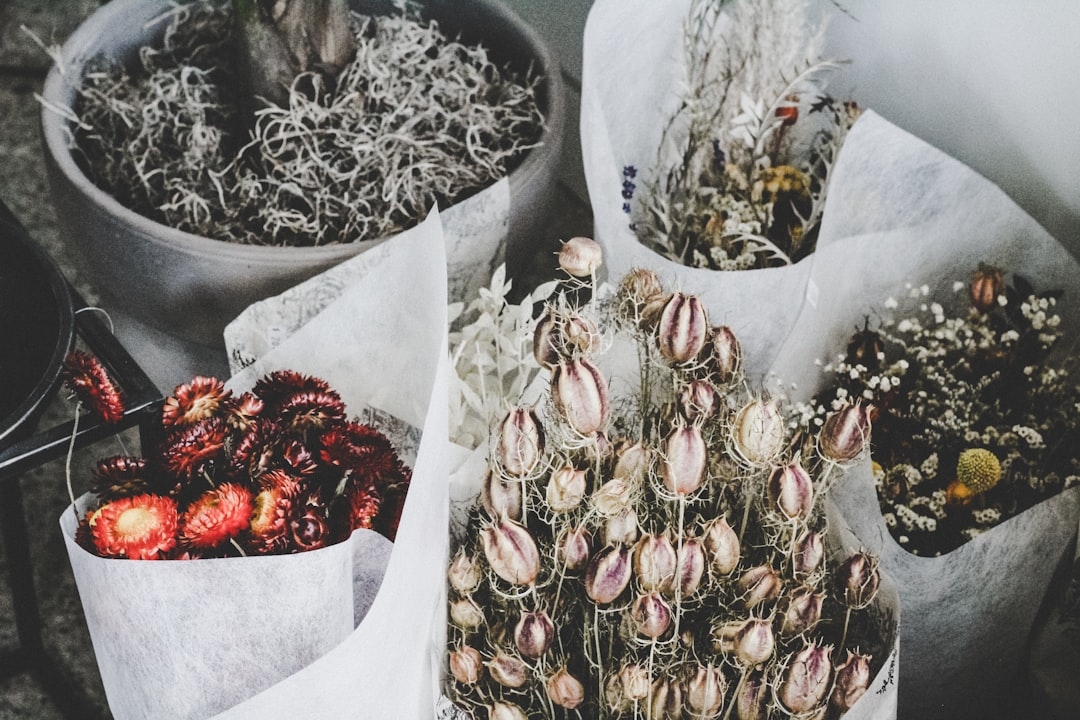
- Nigella seed pods (Nigella damascena) — Grown primarily for their sculptural seed pods, not the flowers. A single packet of seeds ($2–$3) can produce several hundred marketable pods.
- Bunny tail grass (Lagurus ovatus) — Soft, fluffy, and extremely popular for boho-style arrangements. Sells fast at craft fairs, especially dyed in pastel shades.
Foliage and Filler
- Eucalyptus — Silver dollar eucalyptus is the top-selling dried foliage in the US market. Thrives in Zones 8–11. In colder zones, grow in containers or source regionally.
- Baby’s breath (Gypsophila paniculata) — Still a consistent seller despite being a classic. A perennial in Zones 3–9, it fills arrangements and can be dyed with floral dye to expand color offerings.
Setting Up Your Growing Space
You don’t need acreage. A 20-by-20-foot plot (400 square feet) planted efficiently can yield enough dried stems to generate $2,000–$5,000 per season at retail prices — more if you’re selling at premium markets or online with good photography.
Soil and Bed Preparation
Most dried flower crops prefer well-draining, moderately fertile soil. Heavy clay soil is the enemy of good root development. Before planting, amend beds with 2–3 inches of compost worked in to a depth of 10–12 inches. A basic soil test (available from most cooperative extension offices for $10–$20) will tell you your pH. Most dried flower crops prefer a pH of 6.0–7.0.
Avoid over-fertilizing with nitrogen. Lush leafy growth sounds good, but high nitrogen pushes vegetative development at the expense of flower production. Use a balanced 10-10-10 fertilizer at planting, then switch to a low-nitrogen formula once plants begin to bud.
Planning Your Planting Calendar
Succession planting is critical for a consistent supply throughout the selling season. Rather than sowing all your larkspur at once, stagger plantings every 2–3 weeks from early spring through early summer. This extends your harvest window from a 2-week flush to a 6–8 week steady supply — which is far more manageable for drying and selling.
For growers in USDA Zones 5–7, a sample calendar might look like this:
- February–March: Start celosia and strawflowers indoors under grow lights (8–10 weeks before last frost).
- March–April: Direct-sow larkspur and nigella outdoors (these need cold stratification — a light frost actually helps germination).
- April–May: Transplant started seedlings; direct-sow statice and bunny tail grass.
- June–September: Primary harvest window. Stagger drying batches every 1–2 weeks.
Harvesting at the Right Stage
Timing is everything in dried flower production. Harvest too early and you get shriveled, colorless stems. Harvest too late and petals shatter during drying. The general rule: harvest most flowers when they’re at 50–75% open — past bud stage but before full bloom.
Harvest Tips by Variety
- Strawflowers: Harvest when the center is still closed or just beginning to open. They continue to open during drying.
- Celosia: Harvest when the plume or crest is fully developed but before any tiny florets start dropping.
- Larkspur: Cut when the lower third of the spike has fully opened but the top third is still in bud.
- Grasses: Cut while still slightly green. Fully mature seed heads tend to shatter.
Harvest in the morning after dew has dried but before the afternoon heat peaks. Strip all foliage from the lower two-thirds of the stem immediately — leaves trap moisture and promote mold during drying.
Drying Methods: Which One Is Right for You?
Air Drying (Best for Beginners)
Bundle stems in groups of 8–12 (thicker stems like pampas grass: 3–5 per bundle). Secure with a rubber band — not a twist tie. As stems shrink during drying, rubber bands contract with them and prevent the bundle from falling apart. Hang upside down in a dark, dry space with good airflow. A barn, garage, or spare bedroom all work.
Ideal conditions: 65–75°F, relative humidity below 60%, with gentle air circulation. A box fan on low set a few feet away speeds drying dramatically without damaging flowers. Most stems are fully dry in 2–4 weeks, depending on thickness and ambient humidity.
Silica Gel Drying (Best for Delicate Flowers)
Silica gel crystals absorb moisture rapidly and preserve color and three-dimensional form better than air drying. It’s ideal for roses, peonies, and dahlias — flowers with multiple dense petals that collapse when air-dried. Pour 1–2 inches of silica gel in a sealed container, place flowers face-up, gently pour more crystals over and around petals, seal, and wait 3–7 days.
A 5-pound bag of reusable silica gel costs around $15–$25 and can be dried in the oven (at 250°F for 1 hour) and reused indefinitely. The investment pays for itself after 2–3 uses.
Pressing (Best for Greeting Cards and Framed Art)
Pressed flowers open an entirely different product category — botanical prints, greeting cards, resin jewelry, and framed art. Use a flower press or simply layer flowers between absorbent paper inside a heavy book. Change the paper every 2–3 days for the first week to prevent mold. Most flowers press flat in 2–4 weeks.
Pressed botanicals can sell for significantly higher margins per stem when incorporated into finished goods. A $0.05 pansy pressed and set in resin earrings can retail for $18–$28 a pair.
Budget Breakdown: Starting a Dried Flower Business
One of the biggest misconceptions about this business is that it requires expensive equipment. Here’s a realistic cost estimate for a first-season dried flower operation targeting farmers markets and Etsy sales:
- Seeds: $40–$80 for a diverse selection (larkspur, statice, strawflowers, celosia, nigella, bunny tails)
- Soil amendment/compost: $30–$60 (if buying bagged; free if composting)
- Basic garden tools (if not already owned): $50–$100
- Rubber bands, twine, kraft paper sleeves: $20–$40
- Silica gel (optional): $20–$30
- Drying rack or wooden dowels for hanging: $15–$30
- Farmers market booth fee (seasonal): $100–$500 depending on market
- Etsy setup and initial photography: $0–$50 (a smartphone camera in good natural light is adequate to start)
Estimated first-season startup cost: $275–$890. Most growers recoup this in 1–3 market days, depending on foot traffic and product mix.
Where to Sell Dried Flowers: A Practical Breakdown
Farmers Markets
Farmers markets remain the highest-revenue-per-hour selling venue for most small dried flower growers. Face-to-face sales allow you to tell the story of your farm, explain care instructions in person, and upsell larger arrangements. A well-merchandised 6-foot table can generate $300–$800 in a single Saturday morning at a mid-sized market.
Visual merchandising matters enormously here. Bring a variety of heights — tall bundles of pampas, mid-height celosia, and low bowls of pressed botanical cards. Use kraft paper, wooden signage, and linen fabrics to create a cohesive aesthetic that signals “handmade and intentional.”
Etsy and Online Marketplaces
Etsy is the dominant platform for dried flower sales in the US. Search “dried flower bouquet” on Etsy and you’ll find listings with thousands of reviews, which confirms sustained consumer demand. The key challenge is photography — dark, blurry photos will kill an otherwise excellent product listing.
For shipping, most dried flower growers use USPS Priority Mail (2–3 days) with rigid cardboard boxes. Lay stems flat, wrap in tissue paper, and add a stiffener card to prevent crushing. Expect shipping costs of $9–$16 for a standard bouquet. Build this into your pricing or offer it as a flat-fee add-on.
Wholesale to Florists and Boutiques
Selling wholesale requires higher volume but delivers consistent, predictable revenue. Local florists, gift shops, and home décor boutiques are natural partners. Wholesale pricing is typically 40–50% of your retail price. A bouquet you sell for $28 at market goes for $13–$15 wholesale. The trade-off: no booth fees, no time spent at market, and the ability to move large quantities at once.
Approach wholesale accounts with a simple one-page “grow list” showing what you’ll have available each month, your minimum order quantity (typically $75–$150 for new accounts), and your lead time. Most small boutiques appreciate knowing what’s coming and when.
Craft Fairs and Holiday Markets
Holiday markets — particularly those running October through December — are ideal for dried flowers because the neutral, earth-toned palette suits fall and winter décor perfectly. Wreaths, swags, and potpourri sachets sell exceptionally well in this context. If you time your harvest right, you can bulk-dry product through summer and sell it in the high-traffic holiday window.
Pricing Your Dried Flowers for Profit
Underpricing is the number-one mistake new dried flower sellers make. Here’s a simple formula to find a sustainable floor price:
Floor Price = (Cost of Seeds + Time + Overhead) × 2.5–3
For example: If a bundle of statice costs you $0.30 in seed, $0.50 in labor, and $0.20 in packaging, your total cost is $1.00. Multiply by 3 and your floor retail price is $3.00. Most dried statice bundles sell for $6–$10 at market, meaning there’s real margin available if you don’t undersell yourself.
Price by perceived value, not just cost. A $4 stem of pampas grass looks and feels luxurious. A $2 bunch of statice does not — even if your profit margin on the statice is actually higher. Mix high-perceived-value stems into your display to anchor customer expectations upward.
A Real Grower’s Story: From Backyard to Booth
Sarah, a reader from central Ohio, started growing dried flowers in 2026 with a 300-square-foot plot behind her rental house. Her landlord’s only condition: no permanent structures. So she grew in raised beds, dried everything in her spare bedroom with a box fan, and sold at her local farmers market every other Saturday.
Her first season, she brought in $1,100 in sales — enough to cover her costs and reinvest in a better seed selection for year two. By her third season, she’d expanded to three raised beds, added an Etsy shop, and was wholesaling to two local boutiques. Her annual dried flower revenue reached approximately $9,400 — meaningful supplemental income, built without a single piece of specialized equipment.
“The thing that surprised me most,” she said, “was how little competition there was at my local market. I was the only dried flower vendor, and people acted like I was selling something exotic.” That gap — between consumer demand and local supply — is real in most mid-sized American cities.
Packaging and Branding on a Budget
You don’t need a logo designer or a professional printer to create a compelling brand. Start with three elements: a consistent color palette, a simple business name, and kraft paper sleeves printed with a rubber stamp or a home printer.
Kraft paper cone sleeves ($15–$25 for 100 units) elevate a $6 bunch of larkspur into something that looks like it came from a boutique florist. Add a small tag with your farm name, care instructions (“Keep away from direct sunlight and humidity”), and a website or Instagram handle. That’s a complete, professional-looking package for roughly $0.30 per bouquet.
On Etsy, invest in product photography before anything else. Props (a linen cloth, a wooden board, a ceramic vase) cost $20–$40 total and dramatically improve your click-through rate. Natural window light on an overcast day beats a ring light for botanical photography almost every time.
Scaling Up: Moving Beyond Your First Season
Adding Perennials to Reduce Annual Seed Costs
Annual crops like larkspur and celosia must be re-seeded every year. Perennials — globe thistle, baby’s breath, pampas grass, and yarrow — establish once and produce for years. Adding 5–10 perennial varieties to your rotation significantly reduces your per-stem seed cost over time. By year three of a mixed perennial/annual planting, your seed budget can drop by 40–60%.
Offering DIY Kits and Workshops
Once you have inventory and a local following, dried flower arranging workshops are a high-margin revenue stream that requires no additional growing space. A 90-minute workshop with 8–10 participants, charging $55–$75 per person, generates $440–$750 for materials you already have. Workshop participants frequently become loyal market customers and repeat online buyers.
Building a Seasonal CSA or Subscription
A dried flower subscription — 6 or 12 monthly bundles delivered by mail — locks in revenue before you plant a single seed. Charge $25–$40 per month with a commitment of 3–6 months. Even 10 subscribers generates $250–$400 in guaranteed monthly revenue that you can plan your growing season around.
Common Mistakes to Avoid
- Harvesting too late: Fully open flowers shatter during drying. When in doubt, cut early.
- Drying in humid spaces: Bathrooms, basements, and kitchens introduce moisture that leads to mold. Even a well-ventilated garage is better than a damp basement.
- Neglecting color variety: Buyers want contrast. An all-pink or all-white display feels limited. Aim for at least four distinct color families in your booth or shop.
- Ignoring the math: Know your cost-per-stem before you price anything. Guessing leads to either leaving money on the table or inadvertently selling at a loss.
- Skipping succession planting: One big harvest followed by nothing for six weeks kills market momentum. Consistent supply builds consistent customer relationships.
Frequently Asked Questions About Growing and Selling Dried Flowers
How long do dried flowers last once sold?
Properly dried flowers kept away from direct sunlight, high humidity, and dust last 1–3 years. Strawflowers and statice hold color the longest. Roses and peonies dried in silica gel typically last 12–18 months before color fades noticeably. Include care instructions with every purchase.
Do you need a business license to sell dried flowers?
Requirements vary by state and municipality. Most cottage producers selling at farmers markets or online need at minimum a basic business registration (often $20–$75) and a sales tax permit. Some states have agricultural exemptions for direct farm sales. Check your state’s department of agriculture website and your county clerk’s office before your first sale.
What is the most profitable dried flower to grow and sell?
Pampas grass consistently generates the highest revenue per stem ($5–$12 retail), but it takes 2–3 years to reach harvestable maturity from seed. For first-season profitability, strawflowers and celosia offer the best combination of fast growth, low seed cost, and strong market price ($4–$8 per stem or bundle).
Can you grow dried flowers in small spaces or containers?
Yes. Statice, strawflowers, celosia, and nigella all perform well in large containers (at least 12–16 inches deep). A sunny balcony or patio with 6–8 hours of direct sun daily is sufficient for meaningful production. Container growers typically supplement with purchases from local wholesale flower markets to build out their dried inventory.
How do you ship dried flowers without damaging them?
Use rigid corrugated cardboard boxes sized to minimize movement. Wrap stems in tissue paper, then secure with tissue paper balled around the bundle to prevent shifting. Add a “Fragile – Do Not Bend” label. USPS Priority Mail (2–3 days) is the standard choice; longer transit times increase breakage risk. Include a handwritten care card — it improves customer experience and reduces complaints.
Your Next Step Starts This Season
The barrier to entry for growing and selling dried flowers is lower than almost any other agricultural side business. No refrigeration equipment, no expensive certifications, no commercial kitchen — just seeds, soil, airflow, and a market day. The window to plant for this season is open right now, depending on your zone.
Start with a 10-variety seed order focused on proven sellers: larkspur, statice, strawflowers, celosia, and nigella. Prep one raised bed or a 20-foot row. Dry your first harvest. Then take it to a local market or photograph it for an Etsy listing. The feedback you get from real buyers will tell you exactly what to grow more of next year — no guesswork required.
The growers who build lasting dried flower businesses share one trait: they started small, learned from actual sales, and reinvested. Your backyard — even a modest one — might be the beginning of something worth cultivating.