The Meaning of Every Flower: A Complete Symbolism Encyclopedia
17 min read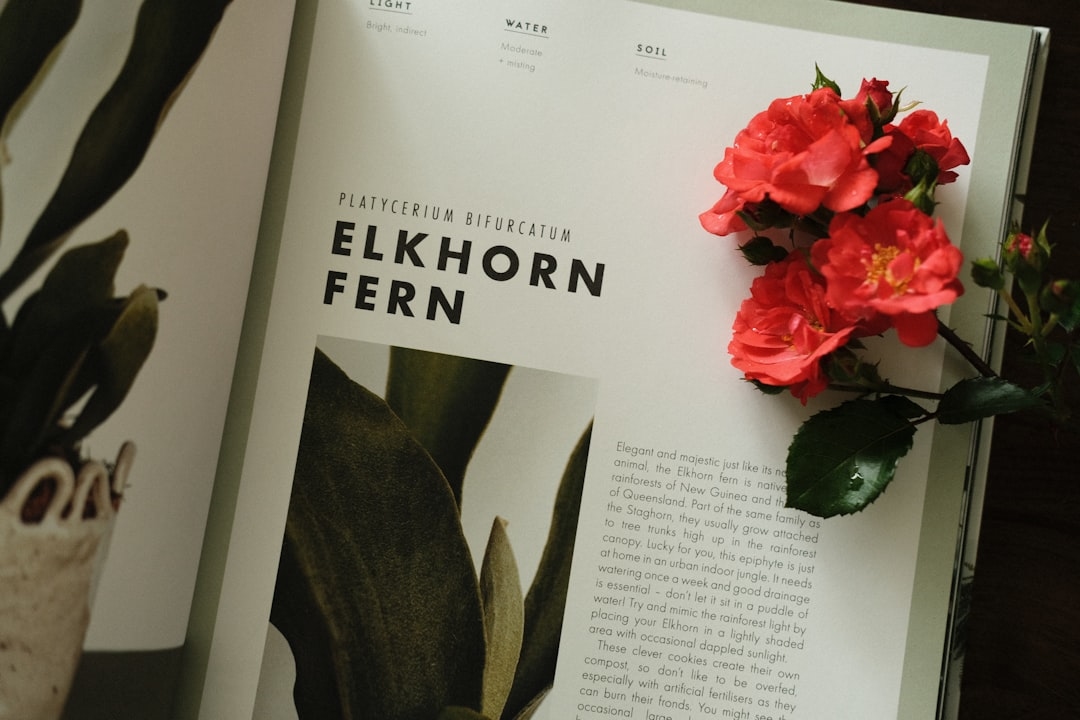
Contents:
- The Ancient Roots of Flower Symbolism
- A Complete Flower Symbolism Encyclopedia: The Essential Blooms
- Roses: The Most Layered Symbol in the Floral World
- Lilies: Purity, Power, and Transformation
- Sunflowers: Loyalty and the Long Gaze
- Tulips: A Declaration in Every Color
- Orchids: Rarity, Refinement, and Exotic Love
- Peonies: Prosperity, Romance, and Fleeting Beauty
- Lavender: Devotion, Calm, and Healing
- Chrysanthemums: A Study in Cultural Contrast
- Daisies: Innocence and Loyal Love
- Carnations: Underrated and Richly Layered
- Irises: Faith, Wisdom, and Royal Heritage
- Hydrangeas: Abundance and Emotional Complexity
- Forget-Me-Nots: True Love and Remembrance
- Marigolds: The Day of the Dead and Sacred Blooms
- Flower Symbolism by Occasion: A Practical Reference Guide
- Wedding Flowers and Their Meanings
- Sympathy and Funeral Flowers
- Get-Well Flowers: Uplift Without Overwhelming
- Flower Symbolism Through the Seasons: A Year-Round Calendar
- Spring (March–May): Rebirth and New Beginnings
- Summer (June–August): Peak Abundance and Passion
- Fall (September–November): Transformation and Harvest
- Winter (December–February): Resilience and Hope Against the Cold
- Birth Month Flowers: Your Floral Identity
- How to Build a Meaningful Arrangement: Practical Tips from the Symbolism Up
- Budget Breakdown for Symbolic Arrangements
- Five Rules for Symbolic Flower Giving
- Lesser-Known Flowers Worth Adding to Your Vocabulary
- Flower Colors and Their Universal Symbolism
- Frequently Asked Questions
- What is the flower that symbolizes love?
- What flowers symbolize death or mourning?
- What does it mean when someone gives you yellow flowers?
- Is there a complete flower symbolism encyclopedia I can reference?
- Do flower meanings differ between cultures?
- Build Your Floral Vocabulary — One Bloom at a Time
What if the bouquet sitting on your kitchen table is actually saying something? Not metaphorically — but literally, through a centuries-old language that most people have forgotten how to read. Flowers have carried meaning since at least the Ottoman Empire, and the Victorians turned that language into an elaborate social code. Today, that tradition lives on in every florist shop, wedding altar, and funeral arrangement. This flower symbolism encyclopedia is your guide to reading it fluently.
Whether you’re designing a wedding, sending condolences, or simply curious about the bouquet your grandmother always kept on her windowsill, understanding floral symbolism adds an entirely new dimension to the flowers around you. Let’s get into it — bloom by bloom.
The Ancient Roots of Flower Symbolism
Humans have assigned meaning to flowers for at least 4,000 years. Ancient Egyptians used lotus blossoms in burial rituals to symbolize resurrection and eternal life. The Greeks dedicated specific flowers to their gods — the narcissus to Persephone, the rose to Aphrodite. In China, the chrysanthemum became a national emblem of longevity and nobility as far back as the 15th century BC.
But the most structured floral language — the one most people picture when they think of “flower symbolism” — emerged during the Victorian era (1837–1901). Called floriography, it was a coded system where specific flowers, and even the way they were presented, conveyed precise messages. A rose handed with the thorns facing outward meant caution. A daisy plucked from the left hand signaled rejection. It was a complete communication system hiding in plain sight.
Over 100 floriography dictionaries were published between 1820 and 1880 in the United States and Britain. The most influential was The Language of Flowers by Dorothea dix, published in 1829. These weren’t frivolous guides — they were practical social tools used to express feelings that polite society wouldn’t allow spoken aloud.
Today, floriography influences everything from bridal bouquet choices to corporate gifting. Florists trained in symbolic meaning charge a premium for “story bouquets” — arrangements built around a specific message — with curated designs often running $150–$300 compared to $40–$80 for standard arrangements.
A Complete Flower Symbolism Encyclopedia: The Essential Blooms
This section covers the most culturally significant flowers and their established meanings across Western, Eastern, and cross-cultural traditions. Where meanings conflict between cultures, both are noted.
Roses: The Most Layered Symbol in the Floral World
No flower carries more symbolic weight than the rose, and almost none is more frequently misunderstood. Color is everything here.
- Red rose: Deep romantic love, passion, desire. The gold standard of Valentine’s Day — over 250 million roses are sold in the US during that single week in February.
- Pink rose (light): Admiration, grace, sweetness. Often used for new relationships or maternal affection.
- Pink rose (deep/hot): Gratitude and appreciation — perfect for a thank-you bouquet.
- White rose: Purity, innocence, new beginnings. Widely used in weddings and sympathy arrangements alike.
- Yellow rose: Friendship and joy in American culture — but caution: in some European traditions, yellow roses historically signaled jealousy or a fading relationship.
- Orange rose: Enthusiasm, fascination, and a budding desire — often described as a bridge between friendship and romantic love.
- Lavender rose: Enchantment, love at first sight, mystery.
- Black rose: Rebirth, farewell, or death depending on context. Popular in Gothic aesthetics; genuine black roses don’t exist in nature — they are actually very deep burgundy.
- Coral rose: Desire, enthusiasm, and a modern sense of confidence.
Number also matters. A single red rose says “I love you.” Twelve says “be mine.” Fifty roses, typically costing $90–$180 from a premium US florist, signals extravagant devotion.
Lilies: Purity, Power, and Transformation
Lilies are among the oldest cultivated flowers — archaeological evidence places them in Greek gardens as far back as 1580 BC. Their symbolism branches significantly by variety.
- White lily (especially Casablanca): Purity and majesty. The most common funeral flower in the US, symbolizing the soul’s restoration to innocence.
- Stargazer lily: Ambition, prosperity, and sympathy. One of the top five most popular cut flowers sold in American florist shops.
- Tiger lily: Confidence, pride, and wealth. In Japanese tradition, the tiger lily is a symbol of motherhood.
- Calla lily: Magnificent beauty and transition — frequently chosen for both weddings and funerals because of this dual meaning.
- Easter lily: Hope and spiritual purity. An almost exclusively Western Christian symbol, closely tied to resurrection themes.
Sunflowers: Loyalty and the Long Gaze
The sunflower’s most famous trait — heliotropism, or tracking the sun — forms the core of its symbolism: adoration, loyalty, and longing. Young sunflowers actually track the sun daily; mature flowers face east permanently. That distinction feeds two meanings: youthful devotion (tracking) and steadfast loyalty (fixed gaze).
In Chinese culture, sunflowers represent long life, good luck, and vitality. The Incas used them to worship their sun deity. In the US today, sunflowers are the fifth most popular cut flower, averaging $12–$25 per bunch at grocery stores and $35–$65 in premium arrangements.
Tulips: A Declaration in Every Color
Tulips triggered one of history’s strangest economic events — Tulipmania in 1630s Holland, when single bulbs sold for more than ten times a skilled craftsman’s annual salary. That cultural obsession embedded deep symbolic meaning into these blooms.
- Red tulip: A declaration of love — considered a more understated, sincere alternative to the red rose.
- Yellow tulip: Cheerful thoughts and sunshine. Historically associated with “hopeless love” in Victorian floriography, though contemporary usage is overwhelmingly positive.
- Purple tulip: Royalty and admiration.
- White tulip: Forgiveness and respect — an excellent choice for reconciliation.
- Variegated (streaked) tulip: Beautiful eyes — a specific Victorian compliment delivered through the flower itself.
Orchids: Rarity, Refinement, and Exotic Love
With over 28,000 documented species, orchids are the largest flowering plant family on earth. Their symbolism is rich precisely because of their diversity and historical rarity.
In ancient Greece, orchid tubers were used in fertility rituals — the root structure resembles male anatomy, which drove early symbolic associations with virility. By the Victorian era, orchids had become luxury status symbols; a single orchid corsage could cost the equivalent of $500 in today’s money.
Today, the phalaenopsis (moth orchid) is the best-selling potted plant in the US, with over $300 million in annual retail sales. Its symbolism: refined beauty, thoughtfulness, and rare charm. Giving an orchid says you see something exceptional in the recipient. Blue orchids (almost always artificially dyed) symbolize rarity and uniqueness.
Peonies: Prosperity, Romance, and Fleeting Beauty
In Chinese culture, the peony is the “king of flowers” — a symbol of honor, prosperity, and female beauty that has appeared in Chinese art for over 1,500 years. It’s the national flower of China and a staple of New Year celebrations.
In Western tradition, peonies carry slightly different weight: romantic love, good fortune, and a happy marriage. Their peak season runs May through June in the US, which is why they’re among the most requested wedding flowers — and one of the most expensive. Peonies average $5–$9 per stem wholesale and $12–$18 per stem retail, peaking in price outside their natural season when they must be imported from South America.
Lavender: Devotion, Calm, and Healing
Lavender sits at a rare intersection: it’s simultaneously a culinary herb, a medicinal plant, and a meaningful cut flower. Symbolically, it represents devotion, serenity, and grace. In Victorian floriography, a sprig of lavender conveyed distrust — but that reading has almost entirely vanished in contemporary usage.
Today, lavender in an arrangement signals calm thoughtfulness. It’s a popular addition to sympathy bouquets ($60–$120 average in the US), where its actual fragrance compounds the symbolic message of peace.
Chrysanthemums: A Study in Cultural Contrast
Few flowers demonstrate cultural symbolism divergence more dramatically than the chrysanthemum. In Japan and China, it represents longevity, nobility, and the emperor — Japan’s imperial family is literally called the Chrysanthemum Throne. In the US and much of Northern Europe, chrysanthemums are primarily funeral flowers, associated with death and mourning.
This is one flower where knowing your audience is essential. Sending chrysanthemums to a Japanese colleague as a celebratory gift is entirely appropriate. The same bouquet at an American birthday party may land poorly.
Daisies: Innocence and Loyal Love
The humble daisy carries surprisingly complex symbolism. In Celtic folklore, daisies were the spirits of children who died in infancy, scattered across the earth to cheer grieving parents. That origin feeds the flower’s associations with innocence and purity.
In floriography, Shasta daisies mean “I’ll think about it” — reflecting the classic “loves me, loves me not” ritual that persists today. Gerbera daisies carry a more straightforwardly cheerful meaning: joy, beauty, and gratitude. They’re the fifth most popular cut flower in the world, prized for their 14-day vase life.
Carnations: Underrated and Richly Layered
Carnations suffer from a reputation problem in the US — they’re considered budget flowers, stuffed into hospital gift shop arrangements. But their symbolism is ancient and genuinely meaningful. In Portugal and Spain, the red carnation is a symbol of revolution and democracy. In Christianity, pink carnations are said to have first bloomed where the Virgin Mary’s tears fell — hence their association with maternal love.
- Red carnation: Deep love and admiration, or socialism/labor rights depending on context.
- Pink carnation: A mother’s undying love — the original Mother’s Day flower.
- White carnation: Pure love and good luck.
- Yellow carnation: Disappointment or rejection.
- Striped carnation: Regret — one of the few flowers that explicitly signals an apology in floriography.
Irises: Faith, Wisdom, and Royal Heritage
The iris has been linked to royalty since the 5th century, when Clovis I of France adopted it as his emblem — a connection that eventually evolved into the fleur-de-lis. The flower’s name comes from the Greek goddess Iris, messenger of the gods and personification of the rainbow, which explains the wide color range irises naturally exhibit.
- Purple iris: Wisdom, royalty, and respect.
- Blue iris: Faith and hope.
- Yellow iris: Passion or a warning — heavily context-dependent.
- White iris: Purity and innocence.
Hydrangeas: Abundance and Emotional Complexity
Hydrangeas are unusual because their symbolism spans contradictory extremes. They can represent heartfelt gratitude, abundance, and understanding — or, in the Victorian language of flowers, boastfulness and frigidity (due to their dense clusters of blooms that produce few seeds, suggesting show without substance).
Contemporary usage focuses almost entirely on the positive readings: gratitude, grace, and abundance. They’re a workhorse of wedding design, available in white, pink, blue, and purple, with bulk pricing around $4–$7 per stem wholesale. A single stem typically fills 6–10 inches of an arrangement.
Forget-Me-Nots: True Love and Remembrance
The name says everything. Forget-me-nots carry one of the most consistent symbolic meanings across cultures: true love, faithful memory, and remembrance of those lost. A German legend tells of a knight who drowned trying to retrieve a bouquet from a riverside for his lady, crying “Vergiss mein nicht!” — forget me not — as he was swept away.
They appear frequently in mourning jewelry and memory gardens. The flower is also the emblem of the Alzheimer’s Association in multiple countries — a poignant match of symbol and cause.
Marigolds: The Day of the Dead and Sacred Blooms
In Western gardening, marigolds are practical — pest deterrents, companion plants, low-maintenance summer color. But symbolically, they carry enormous weight in Aztec, Hindu, and Mexican Catholic traditions.
In Día de los Muertos celebrations, Mexican marigolds (Cempasúchil) are believed to guide the spirits of the dead back to the living world with their bright color and strong scent. In Hindu culture, marigold garlands are used in nearly every religious ceremony, symbolizing auspiciousness, passion, and creativity. In Georgian Victorian floriography, marigolds indicated grief or jealousy — a reminder of how radically meaning shifts by cultural context.
Flower Symbolism by Occasion: A Practical Reference Guide
Understanding individual flower meanings is one thing. Applying them intelligently to specific occasions is where the knowledge becomes genuinely useful.
Wedding Flowers and Their Meanings
Wedding floral budgets in the US averaged $2,400 in 2026, according to The Knot’s annual survey, with full wedding florals for larger ceremonies running $5,000–$10,000. Every dollar spent can carry meaning if you know the vocabulary.
- Stephanotis: Marital happiness — a classic bridal choice specifically chosen for this meaning.
- Gardenia: Secret love and purity. Frequently woven into bridal hair.
- Baby’s breath: Everlasting love — and practically, one of the most affordable wedding flowers at $1–$2 per stem.
- Sweet pea: Blissful pleasure and a fond farewell to single life.
- Bleeding heart: Devoted love and compassion — dramatic and distinctive in bouquets.
Sympathy and Funeral Flowers
The US funeral flower industry generates approximately $7 billion annually. Choosing the right blooms for condolence matters, and there are clear conventions.
- White lilies: The most traditional funeral flower in the US — dignity and the soul’s return to innocence.
- White chrysanthemums: Standard in North American sympathy arrangements; avoid in Southern European cultures where they’re exclusively funeral flowers and might seem presumptuous for regular sympathy.
- Gladiolus: Strength of character and moral integrity — appropriate for honoring someone who lived with distinction.
- Hyacinth: Sincerity and a request for forgiveness. Blue hyacinth specifically signals constancy and deep sorrow.
Get-Well Flowers: Uplift Without Overwhelming
Hospital rooms have restrictions — strong-scented flowers are often prohibited in oncology wards and ICUs. Practical guidance matters here as much as symbolism.
- Gerbera daisies: Cheerfulness and speed of recovery. Low scent, long vase life (14 days), bright colors.
- Sunflowers: Adoration and warmth. Also low scent and incredibly long-lasting — up to 12 days in a vase.
- Chamomile: Patience in adversity — a meaningful choice for someone facing a long recovery.
Flower Symbolism Through the Seasons: A Year-Round Calendar
Flowers have natural seasons, and those seasons carry their own symbolic resonance. Choosing in-season flowers also has a direct budget impact — out-of-season flowers can cost 3–5 times more when imported.
Spring (March–May): Rebirth and New Beginnings
Spring flowers are the most symbolically straightforward — almost universally, they represent hope, renewal, and new starts. Tulips ($8–$18/bunch), daffodils ($6–$12/bunch), hyacinths ($5–$10 per stem), and cherry blossoms dominate. Daffodils specifically represent new beginnings and are the birth flower for March. In Welsh tradition, the first person to spot a daffodil blooming will have more gold than silver in the coming year.
Summer (June–August): Peak Abundance and Passion
Summer is peak season for peonies (early June), lavender (June–July), sunflowers (July–August), and zinnias (July–September). This is also the heart of US wedding season — roughly 38% of American weddings occur between June and August, which means summer flowers are at their freshest and most competitively priced. Zinnias represent lasting affection and daily remembrance. Lavender peaks in July in most US growing regions (USDA Zones 5–8).
Fall (September–November): Transformation and Harvest
Chrysanthemums, marigolds, and dahlias dominate fall. Dahlias symbolize inner strength, creativity, and the ability to stand out despite challenges — appropriate for an autumn harvest mindset. Marigolds’ peak US availability coincides with Día de los Muertos preparations in late October. Fall arrangements typically run $10–$20 less than equivalent spring arrangements due to abundant domestic supply.
Winter (December–February): Resilience and Hope Against the Cold
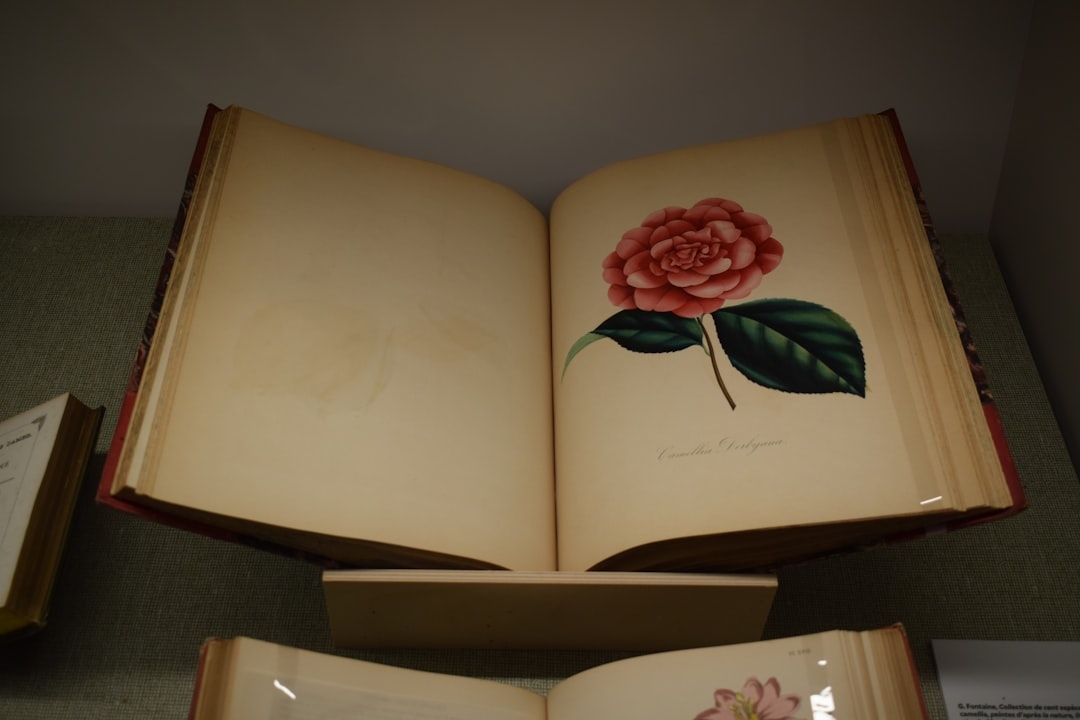
Amaryllis (fortitude, determination), paperwhites (hope), and holly (domestic happiness and protection) carry winter’s symbolic weight. Poinsettias — now a $250 million annual US industry — symbolize purity and celebration in Mexican Christian tradition. Camellias bloom in winter across USDA Zones 7–10 and carry one of the most precise Victorian meanings: “you’re adorable” in pink, “you’re a flame in my heart” in red.
Birth Month Flowers: Your Floral Identity
Like birthstones, each month has an associated flower with specific symbolic meaning. This system is popular for personalized gifts and tattoo design.
- January – Carnation: Love, distinction, and admiration.
- February – Violet: Loyalty, faithfulness, and modesty. (Also iris in some traditions.)
- March – Daffodil: New beginnings, unrequited love, and hope.
- April – Daisy/Sweet Pea: Innocence, purity, and bliss.
- May – Lily of the Valley: Return of happiness and humility. One of the most beloved bridal flowers.
- June – Rose: Love in all its forms, depending on color.
- July – Larkspur/Water Lily: Levity, positivity, and an open heart.
- August – Gladiolus/Poppy: Strength and remembrance, respectively.
- September – Aster/Morning Glory: Wisdom, love, and the power of affection.
- October – Marigold/Cosmos: Creativity, joy, and order in the universe.
- November – Chrysanthemum: Longevity and joy (in Western usage).
- December – Narcissus/Holly: Hope and domestic happiness.
How to Build a Meaningful Arrangement: Practical Tips from the Symbolism Up
Knowing individual flower meanings is the vocabulary. Arranging them meaningfully is the grammar. Here’s how to build intentional arrangements at different budget levels.
Budget Breakdown for Symbolic Arrangements
- Under $30 (grocery store or farm-direct): One or two hero flowers plus filler. A bunch of sunflowers ($15–$20) and a few sprigs of lavender ($5–$8) creates a powerful loyalty + devotion message. Add a handwritten note explaining the meaning — the note is worth more than the extra $20 you might spend upgrading flowers.
- $50–$100 (local florist): A curated arrangement is possible. Ask specifically for a “story arrangement” or “symbolic bouquet.” Many florists love this request. Share the occasion and relationship; let them suggest blooms that reinforce your message. Expect 6–12 stems plus greenery.
- $150–$300 (premium/designer florist): This is the sweet spot for truly intentional arrangements. A premium florist can source unusual or rare blooms — chocolate cosmos ($8–$12/stem), lisianthus ($3–$5/stem), ranunculus ($4–$8/stem) — and compose an arrangement with layered meaning. Many charge a $25–$50 design consultation fee that’s worth every dollar.
- $500+ (luxury or bespoke): Custom-designed florals using rare or imported varieties, sometimes including out-of-season blooms flown in from Holland, Ecuador, or Colombia. This tier includes large sculptural arrangements and event installations.
Five Rules for Symbolic Flower Giving
- Match the number to the message. Odd numbers (1, 3, 5, 7) feel natural and casual in most Western cultures. Even numbers, particularly in sets of 12 or 24, feel formal and ceremonial. Never give 4 flowers to someone of East Asian heritage — in Chinese, Japanese, and Korean cultures, the number 4 is associated with death.
- Include the meaning. Don’t assume the recipient knows what stargazer lilies mean. A small card explaining your floral choices transforms a nice bouquet into a deeply personal gesture. Spend two minutes on this — it costs nothing.
- Consider the setting. A bouquet of red roses at a professional office event sends the wrong signal regardless of your intentions. Context shapes interpretation as much as the flowers themselves.
- Respect cultural differences. Chrysanthemums for a French colleague’s birthday? Don’t — they’re funeral flowers throughout much of France and Italy. Yellow flowers for a Mexican recipient? Same caution — yellow is the color of mourning in many Mexican traditions.
- Freshness amplifies meaning. A wilting bouquet of symbolically perfect flowers undercuts your message entirely. For delivery, use a florist with same-day delivery and ask about their “farm-to-vase” times. The best US florists source from Colombia, Ecuador, and California, with a 2–4 day transit average.
Lesser-Known Flowers Worth Adding to Your Vocabulary
The most familiar blooms get all the attention, but this flower symbolism encyclopedia would be incomplete without these undersung varieties — each one carrying a specific meaning you won’t find in a grocery store display.
- Hellebore: Serenity and the ability to calm anxiety. Blooms in late winter (January–March), making it visually dramatic and symbolically appropriate for difficult times.
- Ranunculus: “I am dazzled by your charms.” One of the most popular Instagram flowers and a bridal staple, each bloom can hold 150–300 petals in tight spirals.
- Lisianthus: Appreciation, charisma, and a lifetime bond. Often mistaken for roses or peonies in photographs — excellent for budget-conscious arrangements with a luxurious aesthetic.
- Anemone: Protection against evil, and anticipation. In Greek mythology, anemones sprang from the tears Aphrodite shed over Adonis.
- Protea: Courage, transformation, and diversity. South Africa’s national flower; increasingly popular in US wedding florals. A single stem costs $8–$15 retail but adds extraordinary visual drama.
- Statice (sea lavender): Remembrance and success. Dried beautifully — a popular addition to memory wreaths and keepsake arrangements.
- Nigella (Love-in-a-Mist): Perplexity and whispered love — one of the most romantically mysterious meanings in floriography.
- Fritillaria: Power and majesty. The nodding, bell-shaped blooms have an aristocratic quality that matches their symbolic weight.
- Scabiosa (Pincushion Flower): Unfortunate love and mourning in Victorian tradition; in contemporary arrangements, used for its airy, delicate aesthetic without symbolic intent.
Flower Colors and Their Universal Symbolism
When you can’t identify a specific flower but know its color, color symbolism provides a useful shortcut — though it should always be read alongside cultural context.
- Red: Love, passion, courage, and sacrifice across virtually all cultures.
- White: Purity, peace, and mourning (the latter especially in East Asian cultures where white is the funeral color).
- Yellow: Joy, optimism, and friendship in US and Northern European contexts; jealousy or mourning in parts of Latin America and France.
- Orange: Enthusiasm, warmth, and creative energy. Underused in symbolism — often relegated to autumn arrangements.
- Purple: Royalty, spirituality, and mystery. Lavender purple specifically connotes first love and enchantment.
- Blue: Serenity, trust, and the impossible (true blue flowers are rare in nature — only about 10% of flowering plant species produce blue blooms, which is part of why they carry connotations of the extraordinary).
- Pink: Romance, nurturing, and gratitude — softer versions of red’s passionate energy.
- Green: Renewal, youth, and health. Green flowers (hellebores, green trick dianthus, bells of Ireland) signal good fortune.
Frequently Asked Questions
What is the flower that symbolizes love?
The red rose is the most universally recognized symbol of romantic love, particularly in Western cultures. However, red tulips, gardenia, and red camellia also carry strong romantic love symbolism. The specific meaning can shift by color — pink roses signal admiration, while white roses suggest pure, unconditional love.
What flowers symbolize death or mourning?
White lilies and white chrysanthemums are the primary funeral flowers in the US. Hyacinths, particularly blue hyacinths, symbolize deep grief. In Mexico, marigolds are used specifically for honoring the dead during Día de los Muertos. In Japan, white chrysanthemums are the traditional flower of death and mourning.
What does it mean when someone gives you yellow flowers?
In the US and most of Northern Europe, yellow flowers — especially yellow roses or sunflowers — signify friendship, joy, and warmth. However, in France, parts of Latin America, and some Middle Eastern cultures, yellow flowers can signal jealousy or even mourning. Context and cultural background of the giver and recipient both matter.
Is there a complete flower symbolism encyclopedia I can reference?
Several published references serve as authoritative guides. The Language of Flowers (original Victorian edition, 1884) is the most historically comprehensive. For contemporary reference, Flower Meaning by Gretchen Scoble and Ann Field covers both traditional and modern interpretations. Many professional florists also maintain their own symbol guides — asking your local florist directly is often the most practical resource for occasion-specific choices.
Do flower meanings differ between cultures?
Significantly, yes. Chrysanthemums mean longevity and nobility in China and Japan, but funeral grief in France, Italy, and Belgium. White flowers mean purity in Western cultures but mourning in East Asian traditions. Yellow flowers are cheerful in the US but associated with sadness or jealousy in France and parts of Latin America. Always consider the cultural background of the recipient before choosing flowers for significant occasions.
Build Your Floral Vocabulary — One Bloom at a Time
This flower symbolism encyclopedia is a starting point, not a ceiling. Floral symbolism is a living language — it shifts across centuries, oceans, and dinner tables. The Victorians codified it. Ancient Egyptians ritualized it. Your grandmother expressed it every time she put lilacs on the windowsill in May.
The most meaningful thing you can do with this knowledge is use it specifically. Don’t send a generic bouquet to someone who matters. Choose the one flower that says exactly what you mean, pair it with two that reinforce the message, and write a card that names each one. That act of intentionality — knowing that statice means remembrance, or that a purple iris says “I respect your wisdom” — transforms a $40 purchase into something genuinely unforgettable.
Next time you walk past a flower stand, you won’t just see colors. You’ll see a vocabulary. Start talking.