Complete Guide to Flower Preservation: Drying, Pressing, and Resin
17 min read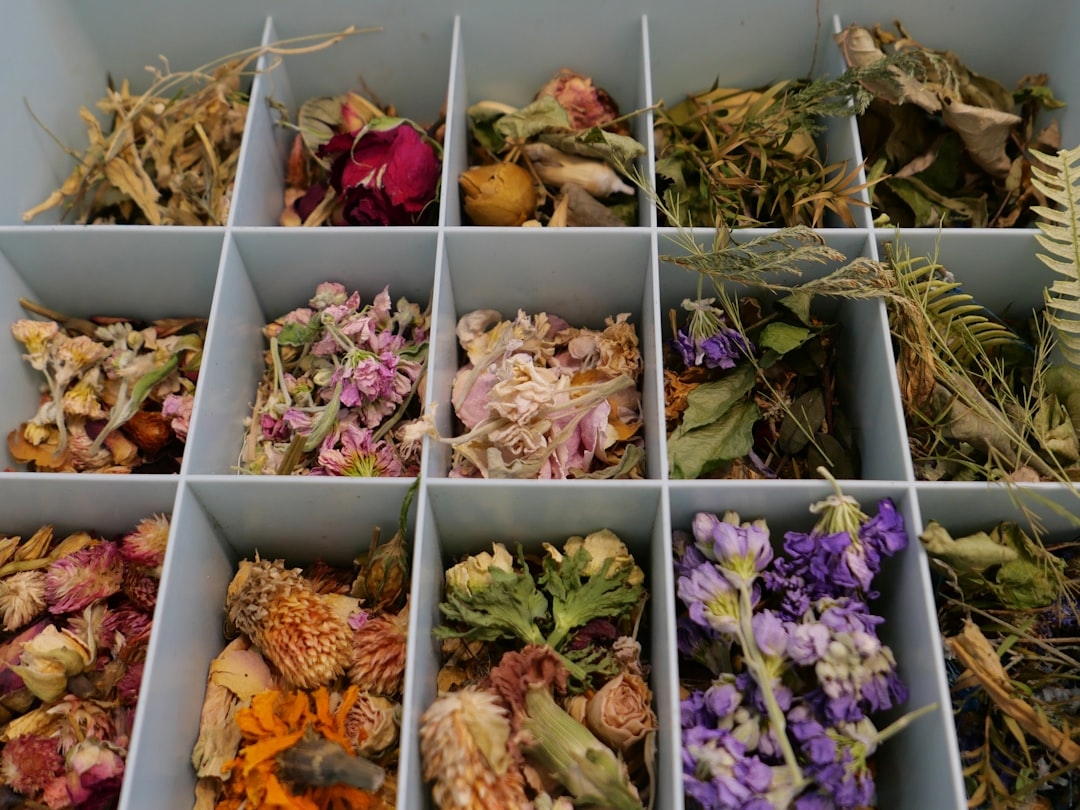
Contents:
- Why Flower Preservation Method Matters More Than You Think
- Air Drying: The Oldest Flower Preservation Method
- Best Flowers for Air Drying
- Air Drying Tips and Common Mistakes
- Cost Estimate: Air Drying
- Silica Gel Drying: The Best DIY Method for 3D Blooms
- How to Use Silica Gel
- Silica Gel Color Indicators
- Cost Estimate: Silica Gel Method
- Pressing Flowers: A Flower Preservation Methods Guide Classic
- Equipment Options
- Best Flowers for Pressing
- Pressing Technique
- Cost Estimate: Pressing
- Resin Casting: Modern Flower Preservation for Display Pieces
- Choosing the Right Resin
- Resin Casting Step-by-Step
- Common Resin Mistakes
- Cost Estimate: Resin Casting
- Glycerin Preservation: Keeping Foliage Supple and Flexible
- What Works and What Doesn’t
- Cost Estimate: Glycerin Method
- Professional Freeze-Drying: The Gold Standard
- Finding a Freeze-Drying Service
- Cost Estimate: Freeze-Drying
- Flower Preservation Seasonal Calendar
- Spring (March–May)
- Summer (June–August)
- Fall (September–November)
- Winter (December–February)
- Preserving Wedding and Event Flowers: A Special Case
- Timing Is Non-Negotiable
- What to Save
- Communicating With Your Florist
- Displaying and Protecting Preserved Flowers
- Framing Pressed Flowers
- Displaying 3D Preserved Flowers
- Resin Pieces
- Flower Preservation Methods Guide: Quick Comparison
- Frequently Asked Questions
- How long do preserved flowers last?
- Can I preserve flowers in water like a paperweight?
- What is the easiest flower preservation method for beginners?
- How do I preserve a wedding bouquet at home?
- Why do my pressed flowers turn brown?
- Getting Started: Your First Preservation Project
What happens to your wedding bouquet after the last dance? Or to the peonies you grew all season, finally blooming at their peak in June? Most flowers last a week in a vase before they’re gone. But with the right preservation technique, they can last decades—sometimes centuries. This flower preservation methods guide covers everything you need to choose the right approach, avoid costly mistakes, and end up with results you’ll actually want to display.
Flower preservation has been practiced for thousands of years. Ancient Egyptians dried flowers for burial offerings. Victorian women pressed botanicals into elaborate albums. Today, professional preservationists use food-grade silica gel, UV-resistant resin, and freeze-drying chambers to achieve results that would have seemed impossible a generation ago. The tools have evolved, but the core goal remains the same: stop time on something beautiful.
This guide is organized by method, from the simplest air-drying techniques you can do at home this weekend to professional freeze-drying services that cost several hundred dollars but produce museum-quality results. Along the way, you’ll find cost estimates, seasonal timing advice, and the kind of insider knowledge that usually takes years of trial and error to accumulate.
Why Flower Preservation Method Matters More Than You Think
Not every method works for every flower. That’s the single most important thing to understand before you start. Roses respond beautifully to silica gel drying but turn muddy brown when pressed. Delicate Queen Anne’s lace presses perfectly flat but disintegrates in resin without proper preparation. Choosing the wrong technique doesn’t just produce mediocre results—it can destroy flowers that can never be replaced, like a bridal bouquet or a bloom from a late family member’s garden.
The four main variables that determine which method to use are:
- Moisture content: High-moisture flowers like dahlias and hydrangeas need aggressive drying methods such as silica gel or freeze-drying. Thin-petaled flowers like pansies and violas are natural candidates for pressing.
- Structural complexity: Three-dimensional blooms (roses, ranunculus, peonies) require methods that preserve their shape, not just their color. Pressing works for flat or semi-flat flowers.
- Intended display: Will the finished piece hang on a wall, sit in a frame, float in a paperweight, or stand in a vase? Your answer determines the method.
- Timeline and budget: Air drying is free and takes two to four weeks. Professional freeze-drying costs $150–$400 and takes six to eight weeks. Everything else falls somewhere in between.
Air Drying: The Oldest Flower Preservation Method
Air drying requires no special equipment, no chemicals, and almost no skill. Tie stems in small bundles of five to ten flowers, secure them with a rubber band (which tightens as stems shrink), and hang them upside down in a warm, dark, well-ventilated space. An attic, a closet with a cracked door, or a dry basement all work well. Most flowers are fully dry within two to four weeks.
Best Flowers for Air Drying
Lavender, strawflowers, globe amaranth, celosia, statice, and baby’s breath air dry with excellent color retention. Roses air dry reasonably well, though petals darken slightly. Hydrangeas are the great air-drying success story—harvest them in late summer when the blooms have a slightly papery texture (early August through September in most of the US), and they’ll hold their shape for years.
Flowers with high water content—dahlias, tulips, irises—do not air dry successfully. They shrivel, mold, or collapse before drying completely.
Air Drying Tips and Common Mistakes
Remove all foliage before hanging. Leaves trap moisture and dramatically increase mold risk. Avoid drying flowers in direct sunlight; UV exposure fades color within days. Humidity is the enemy—if you live in a humid climate, run a dehumidifier in the drying space or switch to silica gel instead.
Check bundles every three to four days and separate any flowers that feel damp or show early signs of mold. One moldy stem can ruin an entire bundle.
Cost Estimate: Air Drying
Effectively free if you have suitable space. Optional supplies: rubber bands ($2), twine ($4–$8), a small wall hook ($1–$3). Total investment: under $15.
Silica Gel Drying: The Best DIY Method for 3D Blooms
Silica gel is a desiccant that pulls moisture out of flowers rapidly—in two to seven days depending on the bloom—while preserving three-dimensional shape and color with remarkable fidelity. It’s the go-to method for roses, peonies, zinnias, and any flower you want to look like it was just cut from the garden.
Silica gel crystals are widely available at craft stores and online. A 5-pound container (enough for multiple batches) costs $15–$25 and is fully reusable after drying in a low oven at 250°F for one to two hours.
How to Use Silica Gel
- Choose an airtight container—a plastic storage bin with a lid works perfectly. The container needs to be large enough that flowers don’t touch the sides or each other.
- Pour about an inch of silica gel crystals into the bottom of the container.
- Place flowers face-up for flat-faced blooms (zinnias, daisies) or face-down for cupped flowers (roses, peonies). For roses, cut stems to about 1 inch and insert a floral wire through the stem before burying to make them easier to handle later.
- Gently pour more silica gel around and over the flowers, using a small spoon or brush to work crystals between petals without crushing them.
- Seal the container and check after 48 hours. Most flowers are done in two to five days. Over-drying makes petals brittle and increases breakage risk.
Silica Gel Color Indicators
Most silica gel products include color-change indicators—crystals that start blue or orange and shift to pink or white when saturated. When you see this color change, the gel needs to be dried out before its next use. This is your visual cue that the gel is working, not failing.
Cost Estimate: Silica Gel Method
- Silica gel (5 lbs): $15–$25
- Airtight container: $5–$15
- Floral wire: $4–$8
- Total: $25–$50 (reusable for dozens of batches)
Pressing Flowers: A Flower Preservation Methods Guide Classic
Pressed flowers have a 400-year documented history in botanical art, and they remain one of the most versatile preservation methods available today. Properly pressed and sealed flowers can last 50 years or more without significant color loss.
The principle is simple: remove moisture from flat or semi-flat flowers by pressing them between absorbent material under weight. The execution has a few critical details that separate beautiful results from brown, shapeless disappointments.
Equipment Options
Traditional flower press: Two wooden boards with tightening bolts, layered with cardboard and blotting paper. A quality 9×12-inch press costs $20–$45 and holds 10–15 layers of flowers simultaneously. This is the most practical option for anyone preserving more than a handful of flowers.
Heavy books: Place flowers between two sheets of parchment paper (not paper towels, which leave texture impressions) and slip them inside a heavy reference book. Stack additional books on top for added pressure. Free, but change the parchment every 24 hours for the first week to prevent mold.
Microwave flower press: Specialty microwave presses dry flowers in 30–60 seconds rather than 2–4 weeks. Results vary by flower type, but for thin petals, results are excellent. Cost: $25–$45.
Best Flowers for Pressing
Flat or single-layer flowers press most successfully: pansies, violas, cosmos, larkspur, Queen Anne’s lace, ferns, individual rose petals, and most wildflowers. Daisies and black-eyed Susans press well if you remove the raised center button first. Thick, multi-layered flowers like roses and peonies don’t press whole—but their individual petals press beautifully and can be reassembled into a composition.
Pressing Technique
Harvest flowers on a dry day, ideally in the late morning after dew has evaporated. Press immediately—wilted flowers press with wrinkles. Arrange flowers in the press with petals spread naturally, not overlapping. Change absorbent layers after 72 hours to remove initial moisture surge, then leave undisturbed for two to four weeks.
Cost Estimate: Pressing
- Flower press: $20–$45 (or free if using books)
- Blotting or parchment paper: $5–$10
- UV-resistant glass or resin for framing: $15–$60 depending on size
- Total: $40–$115 for a complete framed piece
Resin Casting: Modern Flower Preservation for Display Pieces
Epoxy resin encases preserved flowers in a clear, glass-like solid that can be shaped into paperweights, jewelry, coasters, trays, and decorative panels. The results are stunning when done well—and frustrating when done poorly. Resin has a steeper learning curve than any other home preservation method, but the payoff is a truly professional-looking piece.
One critical rule: flowers must be completely dry before going into resin. Any residual moisture will cause cloudiness, bubbles, and mold inside the finished piece. This means you need to press or silica-dry your flowers first, then cast them in resin. Resin is not itself a drying method—it’s a finishing and display method.
Choosing the Right Resin
Two types of resin are used for flower preservation:
- Epoxy resin: Two-part system (resin + hardener) mixed in a specific ratio, typically 1:1 or 2:1 by volume. Cures at room temperature in 24–72 hours. The most accessible option for beginners. Brands like ArtResin, Pro Marine Supplies, and Total Boat are well-regarded in the craft community. Cost: $25–$60 for a starter kit.
- UV resin: Single-component resin that cures in minutes under a UV lamp or direct sunlight. Better for small pieces like jewelry. More expensive per ounce than epoxy resin but faster and easier to control. Cost: $15–$30 for a small bottle.
Resin Casting Step-by-Step
- Prepare flowers: Ensure flowers are fully dried (press for 3–4 weeks or silica-dry for 5–7 days). Coat delicate petals with Mod Podge or a similar sealant and allow to dry completely before casting.
- Prepare mold: Silicone molds release easily and are reusable. Lightly coat with mold release spray for large pours. Avoid plastic molds, which often stick.
- Mix resin: Follow manufacturer ratios precisely—an off-ratio mix results in a sticky, uncured surface that can’t be fixed. Mix slowly for 3–5 minutes to minimize bubble introduction.
- Pour first layer: Pour a thin base layer (about ¼ inch) and allow to reach a gel state—tacky but not liquid—before placing flowers. This prevents flowers from sinking to the bottom.
- Place flowers and top coat: Arrange dried flowers on the gel layer, then pour a final covering layer. Use a heat gun or butane torch held 6–8 inches away to pop surface bubbles.
- Cure: Cover loosely to prevent dust and allow to cure at 70–75°F for 24–72 hours. Cooler temperatures slow curing; warmer speeds it but can cause yellowing.
Common Resin Mistakes
Yellowing is the most common long-term problem with resin pieces. It’s caused by UV exposure and low-quality resin formulations. Use a UV-stabilized, non-yellowing formula and display finished pieces away from direct sunlight. ArtResin specifically markets a UV-resistant formula designed for this application.
Bubbles trapped inside the piece are almost always caused by mixing too vigorously or pouring resin that’s too cold. Warm resin to 75–80°F before mixing (set the bottles in warm water for 10 minutes) to reduce viscosity and minimize bubbles.
Cost Estimate: Resin Casting
- Epoxy resin starter kit: $25–$60
- Silicone molds: $8–$25 each
- Heat gun or torch: $15–$30
- Safety supplies (nitrile gloves, respirator): $10–$20
- Total startup cost: $60–$130
Glycerin Preservation: Keeping Foliage Supple and Flexible
Glycerin preservation replaces the water inside plant cells with glycerin, keeping foliage, branches, and some flowers permanently supple and flexible rather than brittle. It’s the preferred method for eucalyptus, magnolia leaves, beech branches, and ferns—materials that crack and crumble with conventional drying methods.
The process involves submerging stems in a solution of one part glycerin to two parts warm water and allowing the plant to draw the solution upward over one to six weeks. Alternatively, for thicker leaves, submerge entire branches in the solution rather than just the stems.
What Works and What Doesn’t
Glycerin works beautifully for most foliage and woody-stemmed plants. It doesn’t work well for flowers with very thin petals—they become translucent and limp rather than preserved. The finished material takes on a slightly darker, richer color than fresh material: eucalyptus shifts from silver-green to bronze, beech leaves deepen to caramel. This color shift is a feature, not a flaw, and the results are long-lasting and visually interesting.
Cost Estimate: Glycerin Method
- Vegetable glycerin (16 oz): $8–$12
- Container: typically something you already own
- Total: under $15
Professional Freeze-Drying: The Gold Standard
Freeze-drying—technically called lyophilization—removes moisture through sublimation: the flower is frozen solid, then placed in a vacuum chamber where ice converts directly to vapor without passing through a liquid stage. The result preserves three-dimensional shape, color, and even fragrance to a degree that no home method can match.
A full wedding bouquet professionally freeze-dried looks, at first glance, like it was cut this morning. The roses hold their shape. The garden roses hold their ruffled layers. The greenery stays green rather than browning. It’s genuinely remarkable.
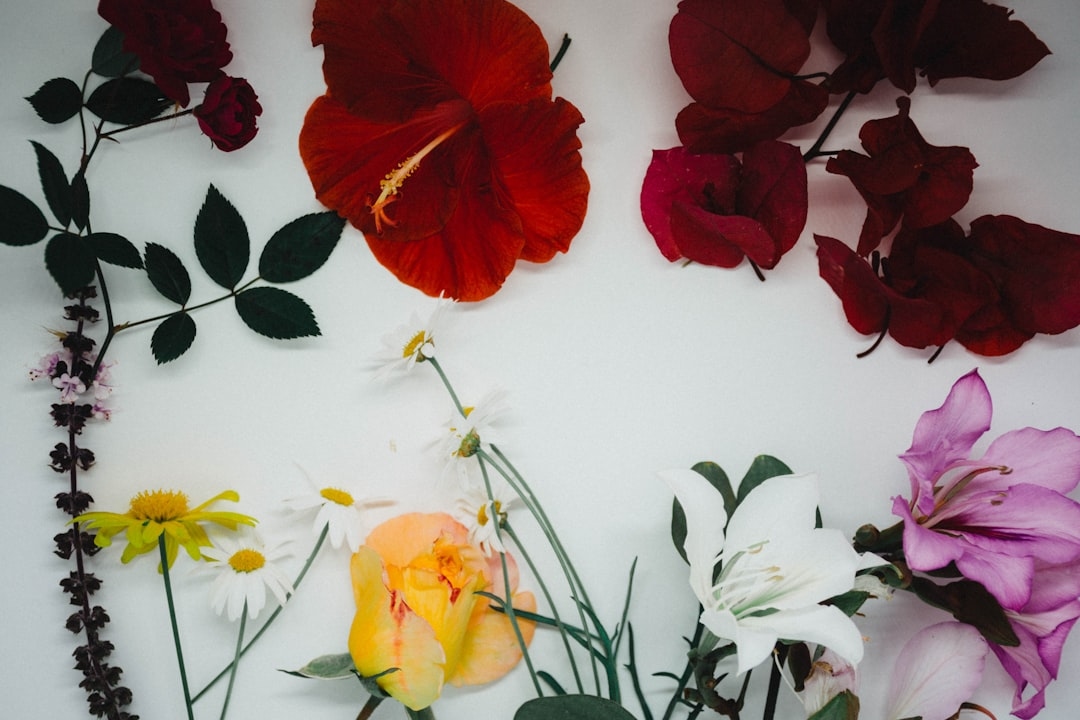
The drawback is cost and access. Professional freeze-drying services for a wedding bouquet typically run $150–$400 depending on size and complexity. The process takes six to eight weeks. And the finished piece is fragile—freeze-dried flowers are brittle and should be displayed in a sealed box or under a cloche, not handled regularly.
Finding a Freeze-Drying Service
Search specifically for “wedding bouquet freeze drying” plus your city or state. Many floral preservation studios offer this service; some funeral florists do as well, since the same technique is used for sympathy arrangements. Ship-by-mail services are available nationally—companies like Larkspur Farm and Preserve My Wedding accept shipped bouquets, though shipping a fresh bouquet overnight requires careful packing and adds $30–$60 to the cost.
Cost Estimate: Freeze-Drying
- Small bouquet or single arrangement: $150–$200
- Full wedding bouquet: $200–$350
- Large or complex arrangement: $350–$500+
- Display case (shadowbox or cloche): $40–$120 additional
- Total for preserved wedding bouquet displayed: $240–$470
Flower Preservation Seasonal Calendar
Timing matters enormously. Flowers at peak bloom have the best color, the most complete petal development, and the lowest moisture content relative to their structural mass. Harvesting at the right moment—and choosing the right preservation method for your region’s seasonal realities—determines whether your results are excellent or mediocre.
Spring (March–May)
Tulips, daffodils, and lilacs come into season but are challenging to preserve—high moisture content and thin petals. Press individual tulip petals rather than whole flowers. Lilac florets press beautifully. Cherry blossoms: harvest just before full peak and press immediately for best color retention.
Best methods for spring flowers: Pressing, silica gel for roses and ranunculus.
Summer (June–August)
Peak preservation season. Roses, peonies, zinnias, lavender, dahlias, sunflowers, and strawflowers are all available. Lavender harvested in early July at roughly 50% bloom air-dries with maximum fragrance. Sunflowers for air drying: harvest before pollen drops and remove the heavy seed head for best shape retention.
Best methods for summer flowers: All methods apply. Silica gel for roses and peonies; air drying for lavender, strawflowers, and celosia; pressing for cosmos and Queen Anne’s lace.
Fall (September–November)
Hydrangeas reach their papery, preservation-ready stage in late August through September in USDA Hardiness Zones 5–7—this is the single best air-drying window of the year. Dahlias continue through first frost; silica gel is the preferred method. Marigolds and chrysanthemums press exceptionally well in fall. Seed heads, berries, and dried grasses add texture to arrangements and require no preservation technique beyond air drying.
Best methods for fall flowers: Air drying for hydrangeas; silica gel for dahlias; pressing for marigolds and chrysanthemums.
Winter (December–February)
Limited fresh material. Focus on dried arrangements from previous harvests or preserved evergreen foliage via glycerin. Holly, eucalyptus, and pine branches glycerin-preserve beautifully for winter décor.
Best methods for winter: Glycerin for foliage; no primary fresh harvest season.
Preserving Wedding and Event Flowers: A Special Case
Preserving flowers from a specific event—a wedding, a memorial service, a milestone birthday—adds emotional stakes to an already technical process. A few considerations apply specifically to event flowers that don’t apply to garden harvesting.
Timing Is Non-Negotiable
Fresh flowers begin degrading within hours of being cut. For wedding flowers, you have a 24–48 hour window from ceremony to beginning the preservation process before quality degrades significantly. If you’re using a professional freeze-drying service, contact them before the wedding, confirm shipping logistics, and have overnight shipping materials ready the morning after.
If you’re preserving at home using silica gel, begin the process the morning after the event. Keep flowers in fresh water in a cool room (below 65°F) overnight to maintain hydration.
What to Save
You don’t have to preserve the entire bouquet. Selective preservation—saving the three to five most meaningful blooms, or preserving petals to be encased in a resin keepsake—is often more practical and produces better results than trying to preserve an entire oversized arrangement.
For pressed flower art from a wedding bouquet, individual petals and small florets from the bouquet can be composed into a framed piece that looks like intentional botanical art. This approach works better than pressing a whole rose, which rarely produces satisfying results.
Communicating With Your Florist
Tell your florist you plan to preserve the flowers. They can choose varieties with better preservation potential (garden roses over hybrid teas, which have higher moisture content), avoid flowers treated with anti-wilting sprays that interfere with drying, and make sure flowers are hydrated properly up until the day of the event.
Displaying and Protecting Preserved Flowers
Preservation is only half the equation. How you display preserved flowers determines how long they actually last. Three enemies shorten the life of any preserved flower: UV light, humidity, and physical contact.
Framing Pressed Flowers
Use UV-filtering glass or acrylic (not standard glass) to protect color from fading. Museum glass, which filters 99% of UV radiation, costs more but is worth the investment for irreplaceable pieces. Seal the back of the frame completely—any humidity infiltration will eventually cause mold or color change. Attach flowers to the backing using a small amount of clear-drying craft adhesive, not tape, which yellows and fails over time.
Displaying 3D Preserved Flowers
Silica-dried or freeze-dried flowers should be displayed in a sealed glass cloche, a sealed shadowbox, or a sealed bell jar. This protects against humidity reabsorption and physical damage. A basic glass cloche costs $15–$40; a custom floral preservation shadowbox runs $80–$200 depending on size and craftsmanship.
Resin Pieces
Keep resin pieces out of direct sunlight to prevent yellowing. Wipe with a soft dry cloth—avoid chemical cleaners, which can cloud the surface. Resin scratches more easily than glass, so store paperweights wrapped in soft cloth when not displayed.
Flower Preservation Methods Guide: Quick Comparison
Here’s a side-by-side overview of all major methods to help you choose:
- Air Drying: Best for lavender, strawflowers, hydrangeas, celosia. Cost: under $15. Time: 2–4 weeks. Skill level: beginner. Result: rustic, slightly shrunk.
- Silica Gel: Best for roses, peonies, zinnias, dahlias. Cost: $25–$50 startup. Time: 2–7 days. Skill level: beginner–intermediate. Result: excellent 3D shape and color.
- Pressing: Best for flat flowers, individual petals, ferns. Cost: $20–$115. Time: 2–4 weeks. Skill level: beginner. Result: flat, archival-quality art.
- Resin: Best for fully dried flowers in display pieces. Cost: $60–$130 startup. Time: 3–5 days (after pre-drying). Skill level: intermediate. Result: glass-like keepsakes.
- Glycerin: Best for foliage, eucalyptus, branches. Cost: under $15. Time: 1–6 weeks. Skill level: beginner. Result: supple, darkened foliage.
- Freeze-Drying (professional): Best for wedding bouquets, complex arrangements. Cost: $150–$500. Time: 6–8 weeks. Skill level: N/A (professional service). Result: near-fresh appearance, very fragile.
Frequently Asked Questions
How long do preserved flowers last?
Properly preserved and displayed flowers can last decades. Pressed flowers sealed behind UV glass have been documented lasting 50+ years with minimal color loss. Silica-dried flowers kept in a sealed display case last 5–10 years or longer. Freeze-dried flowers in a sealed container can last 10–20 years. Resin pieces are essentially permanent if kept out of direct sunlight. The biggest threat to longevity is humidity and UV exposure, not time itself.
Can I preserve flowers in water like a paperweight?
No—you cannot suspend flowers in water for display. The “flower in water” appearance in commercial paperweights is achieved using resin that has been colored or tinted to look like water, not actual water. Real water would cause immediate decay. If you want a water-like effect, use clear casting resin tinted lightly with alcohol ink.
What is the easiest flower preservation method for beginners?
Air drying and pressing are the most accessible starting points. Air drying requires no equipment at all and works beautifully for lavender, strawflowers, and statice. Pressing requires only a heavy book and parchment paper. For beginners who want to preserve three-dimensional blooms like roses, silica gel is the next step up—it costs $25–$50 to start and produces noticeably better results than air drying for high-moisture flowers.
How do I preserve a wedding bouquet at home?
Start within 24 hours of the event. For home preservation, silica gel is the best option—it preserves shape and color better than air drying and doesn’t require professional equipment. Select the 3–5 most important blooms, cut stems to 1–2 inches, and follow the silica gel process. For the entire bouquet preserved in near-original form, a professional freeze-drying service is the only reliable option.
Why do my pressed flowers turn brown?
Browning in pressed flowers has three main causes: flowers were past peak bloom when harvested (petals already beginning cellular breakdown), flowers weren’t changed to fresh absorbent paper within the first 72 hours, or finished pieces were exposed to humidity or UV light after pressing. Yellow and orange flowers are especially prone to browning—harvest them slightly before peak, and use silica gel instead of pressing for the best color retention with these colors.
Getting Started: Your First Preservation Project
Choose one method and one type of flower for your first project. Don’t try to preserve a mixed bouquet with five flower types using three different techniques simultaneously. The most common beginner mistake is overambition—and it leads to disappointing results that put people off preservation entirely.
A suggested first project: purchase five to ten stems of lavender at a farmers market in July (or cut them from your garden), tie them in a bundle, and hang them to air dry in a closet. Four weeks later, you’ll have a beautifully dried lavender bundle that lasts for years and costs almost nothing. From there, move to silica gel with a single rose. Then try pressing a handful of cosmos and framing them in a simple clip frame from the craft store.
Build skill incrementally. The techniques aren’t difficult, but they reward attention and patience over speed and ambition. Once you’ve preserved a few test batches, you’ll have the confidence and knowledge to tackle the flowers that actually matter—the ones from the garden you spent a season tending, or the bouquet from the day you won’t forget.