Complete Guide to Birth Month Flowers and Their Meanings
14 min read
Contents:
- Why Birth Month Flowers Matter for Event Planning
- January Birth Flowers: Carnation and Snowdrop
- February Birth Flowers: Violet and Primrose
- March Birth Flowers: Daffodil and Jonquil
- April Birth Flowers: Daisy and Sweet Pea
- May Birth Flowers: Lily of the Valley and Hawthorn
- June Birth Flowers: Rose and Honeysuckle
- July Birth Flowers: Larkspur and Water Lily
- August Birth Flowers: Gladiolus and Poppy
- September Birth Flowers: Aster and Morning Glory
- October Birth Flowers: Marigold and Cosmos
- November Birth Flowers: Chrysanthemum and Peony
- December Birth Flowers: Narcissus, Holly, and Poinsettia
- How to Use Birth Month Flowers for Specific Events
- Weddings
- Baby Showers
- Memorial Services and Sympathy Arrangements
- Birthday Parties and Milestone Celebrations
- Practical Tips for Sourcing Birth Month Flowers
- Working with Wholesale Markets
- Online Flower Delivery and Farm-Direct Options
- Timing Your Order
- Birth Month Flower Quick Reference Chart
- Frequently Asked Questions
- What is the birth month flower for each month?
- How much does a birth flower arrangement cost?
- Can I use birth flowers that are out of season?
- Are birth flowers the same worldwide?
- What birth flower works best for a wedding bouquet?
- Planning Your Event Around Birth Month Flowers: Next Steps
Flowers have been used as personal symbols for over 400 years — yet most people can only name two or three birth month flowers off the top of their head. The tradition of assigning flowers to birth months dates back to Roman festival culture, when seasonal blooms were offered to gods during birthday celebrations. Today, florists across the US report that birth flower arrangements are among their top-five most requested custom orders, especially for milestone birthdays and baby showers. If you’re planning an event and want your floral choices to carry real meaning, this birth month flowers guide will give you everything you need — month by month, variety by variety.
Why Birth Month Flowers Matter for Event Planning
Choosing flowers isn’t just about color palettes. For weddings, showers, and milestone birthday parties, incorporating the honoree’s birth flower signals intentionality. It tells the recipient that thought went into the arrangement — not just a standing order at the nearest grocery store floral section.
There’s also a practical side: birth flowers often align with seasonal availability. A January birthday means January’s flowers are likely in peak supply, which can cut your floral budget significantly. Working with what’s naturally in season rather than importing out-of-season stems can save 20–40% on arrangement costs, according to florists surveyed by the Society of American Florists.
Each birth month actually carries two traditional flowers — a primary bloom and an alternate. The alternate was introduced largely to accommodate regional growing differences and to offer a more affordable or accessible option when the primary isn’t available locally.
January Birth Flowers: Carnation and Snowdrop
Primary: Carnation (Dianthus caryophyllus) | Alternate: Snowdrop (Galanthus nivalis)
Carnations are among the most commercially available flowers in the US, which makes them a January planner’s best friend. They hold water well — lasting 14–21 days in a vase compared to roses’ average of 7–10 — and come in virtually every color. Red carnations symbolize deep love and admiration; white ones stand for pure affection and luck; pink for gratitude.
Snowdrops are the poetic choice for January. They’re one of the first flowers to push through frozen ground, making them a natural symbol of hope and new beginnings. They’re harder to source commercially but can be found through specialty bulb growers in the Pacific Northwest and New England between late January and early March.
Budget estimate: A dozen carnations at a wholesale florist runs $8–$14. Retail arrangements featuring carnations as the primary bloom typically range from $35–$65.
February Birth Flowers: Violet and Primrose
Primary: Violet (Viola odorata) | Alternate: Primrose (Primula vulgaris)
February’s flowers are small-scale but punchy. Violets — specifically the sweet violet — carry centuries of symbolism tied to loyalty, faithfulness, and modesty. Napoleon Bonaparte famously wore violets as a personal emblem. In floral arrangements, they’re typically used as accent flowers or filler, tucked between larger blooms for texture and depth.
Primroses signal young love and new beginnings, making them a particularly apt choice for Valentine’s Day events or baby showers held in February. They thrive in cooler climates and are widely grown in the Southeast and Mid-Atlantic regions as late-winter container plants.
Regional note: In the South, particularly Georgia and the Carolinas, potted primroses are available at garden centers as early as late January — a full 4–6 weeks ahead of Northeast availability. For a Southern event planner, primrose centerpieces in terracotta pots can be a stunning and cost-effective choice.
March Birth Flowers: Daffodil and Jonquil
Primary: Daffodil (Narcissus pseudonarcissus) | Alternate: Jonquil (Narcissus jonquilla)
Daffodils are the signal flare of spring. They represent rebirth, new beginnings, and unequivocal joy — their bright yellow trumpets are practically impossible to look at without feeling something lift. In Chinese culture, they also symbolize good fortune, which makes them a strong choice for spring wedding receptions.
Jonquils are a specific species within the Narcissus genus, distinguished by their rush-like leaves and intensely fragrant clusters of two to six flowers per stem. Their scent is stronger than the common daffodil, which matters for events where you want aroma to be part of the experience.
Both varieties are harvested heavily in California’s Central Valley and shipped nationwide, keeping prices reasonable through mid-spring. Expect to pay $1–$2 per stem wholesale, or $25–$45 for a mixed arrangement at a florist.
🌿 What the Pros Know
When building birth flower arrangements for events, experienced florists never use just one species. They pair the birth flower with complementary textures — eucalyptus, dusty miller, or Italian ruscus — that extend the arrangement’s life and add visual depth without inflating the cost. Ask your florist specifically about “structural greenery” as a base; it can reduce the number of premium stems you need by 30% while making the arrangement look fuller.
April Birth Flowers: Daisy and Sweet Pea
Primary: Daisy (Bellis perennis) | Alternate: Sweet Pea (Lathyrus odoratus)
April’s flowers reflect its personality: cheerful, transitional, and a little wild. Daisies symbolize innocence and cheerfulness, but also loyal love — in Norse mythology, the daisy was the sacred flower of Freya, goddess of love and fertility. For event planning purposes, daisies are workhorses: affordable, widely available, and effective in both casual and elevated arrangements.
Sweet peas are the romantic option. Their ruffled, butterfly-shaped petals and intense fragrance make them a favorite for spring weddings. They come in shades of white, pink, lavender, coral, and deep burgundy, and their vining tendrils add organic movement to bouquets. They’re most widely available April through June in the US.
Budget estimate: Sweet peas run $2–$4 per stem at wholesale, making them a mid-range choice. A full bridal bouquet using sweet peas as the primary bloom typically costs $85–$150 depending on region and stem count.
May Birth Flowers: Lily of the Valley and Hawthorn
Primary: Lily of the Valley (Convallaria majalis) | Alternate: Hawthorn (Crataegus monogyna)
Lily of the Valley is one of the most coveted wedding flowers in existence, and it happens to be May’s birth flower. Its tiny, bell-shaped white blooms symbolize happiness, humility, and the return of joy. It was famously featured in Princess Kate’s royal wedding bouquet in 2011, which triggered a years-long surge in demand that noticeably increased its price.
Here’s the catch: Lily of the Valley is seasonal, delicate, and expensive. It typically runs $5–$10 per stem, and a single bridal bouquet can require 50–100 stems. It also wilts quickly outside of cold storage. If you’re planning a May event around this flower, book your florist at least 3–4 months in advance and confirm cold chain logistics.
Hawthorn, the alternate, is rarely used in cut flower arrangements but appears in floral crowns and decorative botanical displays. It symbolizes hope and supreme happiness.
June Birth Flowers: Rose and Honeysuckle
Primary: Rose (Rosa) | Alternate: Honeysuckle (Lonicera)
June is rose season, and the symbolism is well-documented: red for passionate love, yellow for friendship, white for purity, pink for admiration, orange for enthusiasm. Roses are the most commercially produced cut flower in the world, with over 60% of US supply imported from Colombia and Ecuador.
What many planners miss is the honeysuckle. It symbolizes devotion, the bonds of love, and happiness in the home — making it an exceptionally fitting choice for wedding receptions or housewarming parties. Honeysuckle vines are fragrant and drape beautifully along table runners, arbors, and archways. They’re not sold in most retail florists, but specialty and farm florists in the Southeast and Mid-Atlantic often carry them cut from June through August.
Regional note: In the Pacific Northwest — particularly Oregon and Washington — garden roses (as opposed to greenhouse hothouse roses) peak in June and July. A locally sourced garden rose from a Washington farm has larger, looser blooms and a much stronger fragrance than the imported long-stem variety. They typically cost $3–$6 per stem locally versus $1.50–$2.50 for imported stems.
July Birth Flowers: Larkspur and Water Lily
Primary: Larkspur (Delphinium consolida) | Alternate: Water Lily (Nymphaea)
Larkspur is one of the most architecturally dramatic flowers on this list. Its tall spires — reaching 12–24 inches — carry dozens of small blooms in shades of blue, purple, pink, white, and red. It symbolizes strong bonds of love, positivity, and levity. In arrangements, a single stem of larkspur adds vertical height that would otherwise require three or four shorter stems.
Water lilies, while stunning, are rarely practical for traditional cut-flower arrangements. They close at night and have a vase life of only 2–3 days. They’re better used as floating centerpieces in wide, shallow vessels — a striking option for outdoor summer events near water features.
Budget estimate: Larkspur runs $1.50–$3.50 per stem wholesale. Its height-to-cost ratio makes it one of the best values for large-scale event florals, particularly for altar arrangements and ceremony backdrops.
August Birth Flowers: Gladiolus and Poppy
Primary: Gladiolus (Gladiolus) | Alternate: Poppy (Papaver)
Gladiolus, named for the Latin word for sword, symbolizes strength of character, integrity, and infatuation. Its tall, multi-bloom stalks — often reaching 3–5 feet — make it a commanding presence in arrangements. A single stem of gladiolus can hold 12–20 individual florets, each opening sequentially from the bottom up, which means arrangements continue to evolve and open over 7–10 days.
Poppies are the wildcard of the August pairing. Red poppies symbolize remembrance and consolation (hence their association with Veterans Day), while orange poppies carry connotations of success and imagination. In events, they work best in loose, garden-style arrangements rather than tight, structured bouquets.
August is peak gladiolus season across the Midwest and South. Growers in Michigan, Florida, and Texas produce significant commercial volumes, keeping prices stable: $1–$2 per stem wholesale, or $30–$55 for a ten-stem mixed arrangement at retail.
September Birth Flowers: Aster and Morning Glory
Primary: Aster (Aster) | Alternate: Morning Glory (Ipomoea purpurea)
Asters resemble daisies but carry a more complex symbolism: wisdom, faith, and valor. The name comes from the Greek word for star, and their starburst shape makes them visually distinctive in arrangements. They come in purple, pink, white, and red, with yellow centers that photograph exceptionally well — a practical consideration for any event with a photographer.
September asters are widely available nationwide at a price point that makes them ideal for large-scale events. Expect to pay $0.75–$1.50 per stem wholesale — among the lowest of any cut flower on this list.
Morning glories are not practical as cut flowers; they wilt within hours of cutting. Their role in birth flower symbolism is more cultural and decorative — they’re best incorporated into event design as potted vines, paper flower replicas, or printed motifs on invitations and table settings.
October Birth Flowers: Marigold and Cosmos
Primary: Marigold (Tagetes) | Alternate: Cosmos (Cosmos bipinnatus)
Marigolds have layered cultural significance. In Mexican tradition, they’re the primary flower of Día de los Muertos, representing the sun and guiding spirits home. In Hindu culture, they’re used extensively in wedding ceremonies and religious offerings. In Victorian flower language, they symbolize passion and creativity.
For October events, marigolds offer a warm, rich palette — gold, amber, burnt orange, and deep red — that pairs naturally with autumn color schemes. They’re also extraordinarily hardy as cut flowers, lasting 10–14 days in water with minimal care.
Cosmos are the airy counterpart: delicate, feathery-leaved stems topped with simple eight-petaled flowers in pink, white, magenta, and burgundy. They symbolize harmony, order, and wholeness. Combined with marigolds in an arrangement, they create a balance between bold and delicate that works beautifully for fall weddings and harvest-themed gatherings.
Budget estimate: Marigolds are among the most affordable cut flowers available — $0.50–$1.25 per stem wholesale. A full table centerpiece built around marigolds and cosmos can be achieved for $15–$25 in materials, making them ideal for large guest counts.
November Birth Flowers: Chrysanthemum and Peony
Primary: Chrysanthemum (Chrysanthemum) | Alternate: Peony (Paeonia)
Chrysanthemums are the official flower of November and one of the most versatile blooms in the florist’s toolkit. In the US, they symbolize friendship, joy, and well-wishing. In Japan, they’re a symbol of the emperor and longevity — the Japanese celebrate a Festival of Happiness centered on chrysanthemums each autumn. A single mum head can be 3–6 inches in diameter, providing significant visual impact per stem.
Peonies are almost universally beloved but come with a caveat: their natural peak season is May through June. November peonies must be imported (primarily from New Zealand and Chile), which drives costs up considerably — sometimes 3–4x the price of in-season peonies. If your November event budget is tight, chrysanthemums are the practical choice. If peonies are non-negotiable, budget $8–$15 per stem and confirm availability with your florist well in advance.
December Birth Flowers: Narcissus, Holly, and Poinsettia
Primary: Narcissus (Narcissus papyraceus — Paperwhites) | Alternates: Holly (Ilex aquifolium), Poinsettia (Euphorbia pulcherrima)
December gets three flowers — a rare distinction. Paperwhite narcissus blooms represent sweetness, hope, and domestic happiness. They’re one of the few flowers that force-bloom reliably indoors during winter, making them a practical and beautiful choice for holiday-season events.
Holly carries symbolism of protection and goodwill, deeply embedded in winter solstice and Christmas traditions. Its glossy leaves and bright red berries make it a natural fit for December event design. Note that holly berries are toxic — keep arrangements out of reach of children and pets.
Poinsettias, while iconic to the season, are better used as potted display plants than cut flowers; their milky sap can irritate skin and they don’t hold up well in traditional arrangements. As potted centerpieces, however, they’re hard to beat for December events: widely available and typically priced at $8–$20 per plant at retail.
How to Use Birth Month Flowers for Specific Events
Weddings
For a wedding where both partners want their birth flowers represented, a skilled florist can build a cohesive palette around two potentially very different blooms. The key is finding a color bridge — a neutral or transitional tone that appears in both flowers’ natural palette. Eucalyptus, white lisianthus, or cream spray roses are common bridge elements florists use to unify disparate birth flower pairings.
Request a “birth flower consultation” specifically when booking your florist — not all florists offer this framing, but most can accommodate it when prompted. Budget 15–20% more than a standard wedding floral package to account for specialty sourcing if one of the flowers is out of season.
Baby Showers
For baby shower florals, the birth flower of the expected mother is typically the anchor, with the anticipated birth month’s flower used as an accent if the due date is known. Soft, pastel varieties tend to photograph well for social media documentation, which matters to many hosts today. Asters, sweet peas, and daisies are particularly popular shower choices because of their pastel range and affordable price point.
Memorial Services and Sympathy Arrangements
Birth flowers have become an increasingly meaningful element in sympathy arrangements. Including the deceased’s birth flower personalizes the tribute in a way that generic white lilies cannot. Florists who specialize in sympathy work often keep birth flower reference cards on hand. Expect sympathy arrangements to run $75–$200 depending on flower type and arrangement complexity.
Birthday Parties and Milestone Celebrations
For milestone birthdays — 30th, 50th, 60th — incorporating the birth flower as a theme element extends beyond the floral arrangements. Consider using it in table linen prints, cake decoration, invitation design, and even cocktail garnishes. This kind of cohesive theme signals genuine effort to guests without requiring an unlimited budget.
Practical Tips for Sourcing Birth Month Flowers
Working with Wholesale Markets
Most major US cities have wholesale flower markets open to the public on certain days. The Los Angeles Flower Market (open to the public Mondays, Wednesdays, and Fridays after 8 AM) and the San Francisco Flower Mart are two of the largest. Buying wholesale versus retail typically saves 40–60% on stem costs, though you’ll need to purchase in larger quantities (usually bunches of 10–25 stems).
Online Flower Delivery and Farm-Direct Options
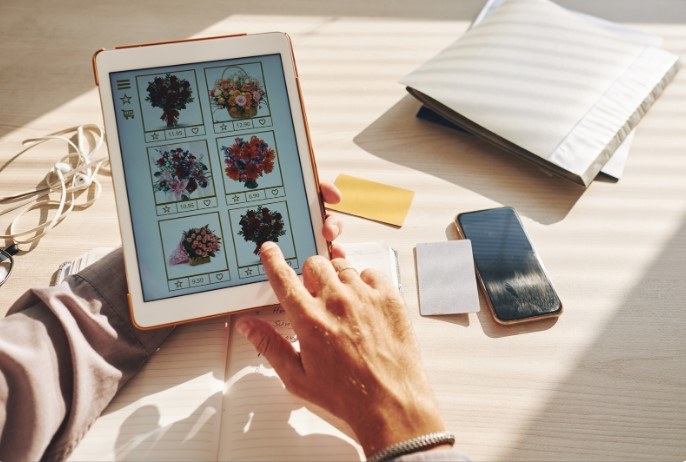
Services like Mayesh Wholesale, FiftyFlowers, and Bloominous offer farm-direct purchasing online, shipping directly from farms in Colombia, Ecuador, and domestic US growers. For birth flowers that are in season, this is often the best combination of price and freshness. Expect 3–5 business day lead times and budget for express shipping if your event timeline is tight.
Timing Your Order
For in-season blooms, order 1–2 weeks before your event date. For out-of-season or specialty flowers (Lily of the Valley, garden roses, peonies in winter), book 6–8 weeks out minimum. During peak floral seasons — Valentine’s Day, Mother’s Day, prom season (April–May) — prices industry-wide increase 20–35%. Planning events even one week outside these windows can generate meaningful savings.
Birth Month Flower Quick Reference Chart
- January: Carnation (primary), Snowdrop (alternate) — Symbolism: love, hope
- February: Violet (primary), Primrose (alternate) — Symbolism: loyalty, new beginnings
- March: Daffodil (primary), Jonquil (alternate) — Symbolism: rebirth, joy
- April: Daisy (primary), Sweet Pea (alternate) — Symbolism: innocence, devotion
- May: Lily of the Valley (primary), Hawthorn (alternate) — Symbolism: happiness, hope
- June: Rose (primary), Honeysuckle (alternate) — Symbolism: love, devotion
- July: Larkspur (primary), Water Lily (alternate) — Symbolism: positivity, purity
- August: Gladiolus (primary), Poppy (alternate) — Symbolism: strength, remembrance
- September: Aster (primary), Morning Glory (alternate) — Symbolism: wisdom, affection
- October: Marigold (primary), Cosmos (alternate) — Symbolism: passion, harmony
- November: Chrysanthemum (primary), Peony (alternate) — Symbolism: joy, longevity
- December: Narcissus (primary), Holly & Poinsettia (alternates) — Symbolism: hope, protection
Frequently Asked Questions
What is the birth month flower for each month?
Each month has a primary and an alternate birth flower: January (Carnation/Snowdrop), February (Violet/Primrose), March (Daffodil/Jonquil), April (Daisy/Sweet Pea), May (Lily of the Valley/Hawthorn), June (Rose/Honeysuckle), July (Larkspur/Water Lily), August (Gladiolus/Poppy), September (Aster/Morning Glory), October (Marigold/Cosmos), November (Chrysanthemum/Peony), and December (Narcissus/Holly/Poinsettia).
How much does a birth flower arrangement cost?
Prices vary widely based on flower type and seasonality. Simple single-birth-flower arrangements typically run $35–$75 at retail. Wedding-scale birth flower packages range from $800–$3,500+ depending on guest count and stem variety. Buying wholesale or farm-direct can reduce costs by 40–60%.
Can I use birth flowers that are out of season?
Yes, but expect to pay a premium. Out-of-season flowers must be imported from Southern Hemisphere growers (primarily Colombia, Ecuador, Chile, and New Zealand) or sourced from temperature-controlled greenhouses. The price increase is typically 2–4x the in-season cost. Always confirm availability with your florist 6–8 weeks before your event.
Are birth flowers the same worldwide?
Not exactly. The most widely recognized birth flower list originates from Western European and American floral traditions. Japanese, Korean, and Chinese traditions associate different flowers with birth months, often tied to the lunar calendar. Victorian-era Western lists, which form the basis of most US florist references, are the standard used in American floral industry practice.
What birth flower works best for a wedding bouquet?
Roses (June), Peonies (November alternate), Sweet Peas (April), and Lily of the Valley (May) are the most popular birth flowers used in bridal bouquets due to their size, texture, and romantic symbolism. Larkspur (July) and Gladiolus (August) work better as ceremony and reception statement flowers due to their height rather than as handheld bouquets.
Planning Your Event Around Birth Month Flowers: Next Steps
This birth month flowers guide gives you the vocabulary to have a more specific, productive conversation with any florist. Walk in knowing the primary and alternate flower for your honoree’s birth month, the approximate in-season pricing, and the symbolism you want the arrangement to convey. That preparation alone separates clients who get generic arrangements from those who walk away with something genuinely memorable.
Your next action: confirm your event date, identify the birth month flower for the key person being celebrated, and contact at least two florists — one retail and one farm-direct or wholesale — to compare pricing and sourcing timelines. For events more than 8 weeks out, you have real flexibility. For anything inside that window, move quickly on specialty blooms. The flowers with the most meaning tend to be the ones that require the most lead time.