Toxic Flowers and Plants: The Complete Safety Guide for Pet Owners
13 min read
Contents:
- Why Flower and Plant Toxicity Is a Bigger Problem Than Most Pet Owners Realize
- The Most Dangerous Toxic Flowers for Cats and Dogs
- Immediately Life-Threatening: Zero Tolerance Plants
- Severely Toxic: High-Risk Plants Requiring Immediate Veterinary Attention
- Moderately Toxic: Cause Significant Discomfort and Require Monitoring
- Toxic Flowers Pet Safety Guide: Recognizing Symptoms by Plant Type
- Gastrointestinal Symptoms (Most Common)
- Neurological Symptoms (Serious)
- Cardiac Symptoms (Emergency)
- Organ Failure Symptoms (Critical)
- A Seasonal Plant Toxicity Calendar for Pet Owners
- Winter (December – February)
- Spring (March – May)
- Summer (June – August)
- Fall (September – November)
- Creating a Pet-Safe Garden: Practical Substitutions That Actually Look Good
- For Cut Flower Arrangements
- For Garden Borders and Beds
- What to Do If Your Pet Eats a Toxic Plant: A Step-by-Step Response
- Toxic Flowers Pet Safety Guide: Special Considerations for Indoor Plant Collections
- Talking to Your Vet and Florist: The Conversations Worth Having
- With Your Veterinarian
- With Your Florist
- Frequently Asked Questions About Toxic Plants and Pet Safety
- Which flowers are most toxic to cats?
- Are all lilies dangerous to cats?
- What should I do immediately if my dog eats a toxic plant?
- Can dogs and cats recover from plant poisoning?
- Are any common vegetables or herbs toxic to pets?
- Building a Pet-Safe Household for the Long Term
You bring home a gorgeous bouquet of lilies for the kitchen table — classic, fragrant, elegant. Your cat jumps up, takes a curious sniff, and chews on a single leaf. Within 24 hours, she’s in acute kidney failure. This isn’t a worst-case hypothetical. It happens every week in veterinary ERs across the country, and it happens to careful, loving pet owners who simply didn’t know.
This toxic flowers pet safety guide is built for people who want practical, specific answers — not vague warnings. Whether you’re a gardener planning a spring border, a houseplant collector, or someone who orders weekly flower arrangements, you need to know exactly which plants pose a real threat, what the symptoms look like, and how fast you need to act. Let’s get into it.
Why Flower and Plant Toxicity Is a Bigger Problem Than Most Pet Owners Realize
The ASPCA’s Animal Poison Control Center (APCC) handles over 400,000 cases annually, and toxic plant ingestion consistently ranks among the top five categories. In 2026, the APCC logged more than 9,000 cases specifically related to lily ingestion in cats — a number that’s climbed steadily as tropical houseplants and fresh-cut bouquets have surged in popularity.
The frustrating part is that many of the most dangerous plants are also the most common. They’re sold at every grocery store, planted in suburban front yards, and gifted at every major holiday. Toxicity isn’t reserved for obscure tropical species. It’s hiding in Easter baskets, Mother’s Day bouquets, and backyard vegetable gardens.
Dogs and cats are the most commonly affected pets, but rabbits, guinea pigs, and birds face significant risks too. Cats are particularly vulnerable because they groom themselves frequently, spreading plant residue from paws to mouth, and because their liver lacks the enzyme (glucuronyl transferase) needed to metabolize certain compounds that dogs handle more easily.
The Most Dangerous Toxic Flowers for Cats and Dogs
Not all toxic plants carry the same level of risk. The difference between “may cause mild stomach upset” and “can cause organ failure within 72 hours” is enormous, and conflating them gives pet owners a false sense of proportion. Here’s a breakdown organized by severity.
Immediately Life-Threatening: Zero Tolerance Plants
True Lilies (Lilium and Hemerocallis species) — This is the single most dangerous category for cats. Easter lilies, tiger lilies, Asiatic lilies, daylilies, and stargazer lilies can all cause acute renal failure in cats after ingestion of even a small amount of pollen, a single leaf, or water from the vase. Dogs are less severely affected but can experience gastrointestinal distress. There is no established safe dose for cats. If you own cats, do not bring true lilies into your home. Full stop.
Oleander (Nerium oleander) — A common landscaping shrub in USDA hardiness zones 8–10 (California, Texas, Florida, and the Gulf Coast), oleander contains cardiac glycosides that interfere directly with heart muscle function. Ingestion of even a few leaves can cause severe cardiac arrhythmia, tremors, and death in both dogs and cats. Dried leaves are equally toxic — a critical point for pet owners who mulch garden clippings.
Sago Palm (Cycas revoluta) — Popular as a landscaping plant in the South and as a houseplant nationwide, sago palm is extraordinarily toxic to dogs. The seeds (nuts) contain the highest concentration of cycasin, but all parts of the plant are dangerous. The ASPCA reports a mortality rate of approximately 50–75% in dogs that ingest sago palm seeds, even with aggressive veterinary treatment. Liver failure typically develops within 2–3 days of ingestion.
Foxglove (Digitalis purpurea) — A beloved cottage garden perennial that contains digitalis glycosides — the same compounds used in human heart medication at controlled doses. In pets, ingestion causes vomiting, heart rate abnormalities, and potentially fatal cardiac events. All parts of the plant are toxic, including dried portions and water in which cut foxglove has been placed.
Severely Toxic: High-Risk Plants Requiring Immediate Veterinary Attention
Autumn Crocus (Colchicum autumnale) — Distinct from the spring crocus (which causes mild GI upset), autumn crocus contains colchicine, a compound that disrupts cell division. Symptoms — including severe vomiting, GI bleeding, liver and kidney damage, and respiratory failure — can be delayed by several days, meaning owners may not connect the ingestion to the symptoms. This delay frequently results in delayed treatment and worse outcomes.
Azalea and Rhododendron — Extremely common in American landscaping, these ornamentals contain grayanotoxins that disrupt sodium channels in nerve and muscle cells. Ingestion of as few as 0.2% of the animal’s body weight in leaves can produce toxic effects. Symptoms include drooling, vomiting, diarrhea, weakness, and cardiovascular collapse.
Yew (Taxus species) — The red berries look appealing to curious dogs. The green needles are chewed by grazing animals and occasionally cats. Taxine alkaloids act rapidly — cardiac arrest can occur with minimal warning, sometimes before any GI symptoms appear. Yew is commonly used in foundation plantings and holiday wreaths.
Tulip and Hyacinth bulbs — The bulbs contain the highest concentration of toxins (tulipalin A and B in tulips; calcium oxalate crystals in hyacinths), though the entire plant is problematic. Dogs that dig up and chew bulbs in fall and spring are most commonly affected. Symptoms include intense drooling, nausea, vomiting, diarrhea, and in large ingestions, central nervous system depression.
Moderately Toxic: Cause Significant Discomfort and Require Monitoring
- Pothos (Epipremnum aureum) — One of the most popular houseplants in the US, pothos contains insoluble calcium oxalate crystals that cause immediate oral irritation, drooling, vomiting, and difficulty swallowing. Rarely fatal but reliably miserable for your pet.
- Peace Lily (Spathiphyllum) — Despite the name and misleadingly gentle appearance, peace lily causes oral irritation, excessive drooling, vomiting, and difficulty swallowing in both cats and dogs. It does NOT cause true kidney failure (that’s a common misconception) but still warrants a vet call.
- Daffodil (Narcissus) — The bulbs are most toxic, but the entire plant — including the cut-flower water — contains lycorine, which causes vomiting, diarrhea, abdominal pain, and cardiac arrhythmias in severe cases.
- Wisteria — Seeds and pods contain wisterin glycoside. Even two seeds can cause vomiting and diarrhea in children and pets. Particularly risky in spring when seed pods are developing.
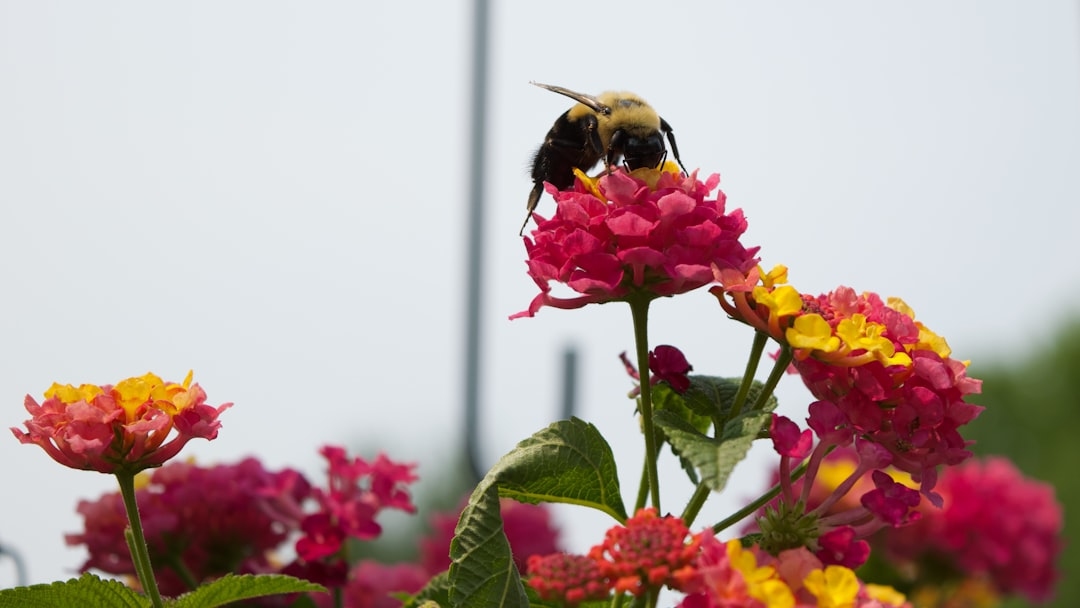
- Lantana — Common in Southern gardens and hanging baskets, lantana causes liver damage and photosensitization in pets. Green berries are the most toxic portion.
Toxic Flowers Pet Safety Guide: Recognizing Symptoms by Plant Type
Speed matters enormously in plant toxicity cases. The faster you recognize that something is wrong — and can describe it accurately to a vet — the better the outcome. Symptoms fall into four broad categories based on the mechanism of toxicity.
Gastrointestinal Symptoms (Most Common)
Drooling, vomiting, diarrhea, loss of appetite, and abdominal pain are the most frequently reported signs across nearly all toxic plant ingestions. These appear quickly — usually within 30 minutes to 2 hours — and while they’re distressing, they often indicate a less severe toxicity level than plants that affect organs directly.
Neurological Symptoms (Serious)
Tremors, seizures, disorientation, dilated pupils, and muscle weakness indicate that a neurotoxic compound has been absorbed. Plants in this category include sago palm, marijuana (Cannabis), and certain mushrooms. If you observe any of these signs, call your vet or the APCC immediately — do not wait to see if symptoms resolve.
Cardiac Symptoms (Emergency)
Slow or irregular heartbeat, weakness, collapse, and pale gums point to cardiac glycoside or taxine poisoning. Oleander, foxglove, lily of the valley, and yew are primary culprits. This is a veterinary emergency. Time to treatment is measured in minutes, not hours.
Organ Failure Symptoms (Critical)
Increased thirst and urination followed by cessation of urination (classic lily nephrotoxicity in cats), yellowing of the gums and eyes (liver failure from sago palm), and extreme lethargy can indicate progressive organ damage. These symptoms sometimes appear 24–72 hours after ingestion, which is why follow-up vet visits matter even when an animal appears to recover initially.
A Seasonal Plant Toxicity Calendar for Pet Owners
Toxic plant exposure follows predictable seasonal patterns. Knowing when specific risks peak lets you prepare rather than react.
Winter (December – February)
Holiday plants dominate this period. Poinsettia (mildly toxic, causes GI irritation — less dangerous than its reputation suggests), mistletoe (toxic berries; American mistletoe causes cardiovascular and neurological symptoms), holly (berries contain saponins and methylxanthines; ingestion causes severe vomiting and diarrhea), and amaryllis (bulbs contain lycorine; commonly given as holiday gifts). Also watch for winter-blooming paperwhites (narcissus family) and cut flower arrangements containing lilies.
Spring (March – May)
The highest-risk season for bulb ingestion. Dogs frequently dig up tulip, daffodil, and hyacinth bulbs during spring planting. Easter lilies arrive in stores in March and April — this is the single highest-risk period for cat lily poisoning in the US. Azaleas and rhododendrons bloom in April and May; pets that spend time outdoors are exposed to fallen flowers and leaves. Sago palms push out new growth (pups) in spring, which are even more toxic than mature fronds.
Summer (June – August)
Foxglove blooms June through August in USDA zones 4–8. Lantana peaks in summer heat, particularly in zones 7–11. Oleander blooms May through October in warmer zones. Wisteria seed pods develop and dry on the vine. This is also the primary outdoor gardening season, meaning pets spend more time in gardens and are exposed to a wider range of ornamentals.
Fall (September – November)

Autumn crocus blooms September through October — and because it flowers without leaves, it’s often unidentified by pet owners who don’t recognize it as a plant at all. Yew berries ripen in fall and are attractive to dogs. Mushroom season peaks in many regions, adding a non-floral but significant fungal toxicity risk. This is also bulb-planting season, which puts toxic bulbs within easy reach of digging dogs.
Creating a Pet-Safe Garden: Practical Substitutions That Actually Look Good
The goal isn’t to strip your garden of all beauty. It’s to make smart substitutions that keep your pets safe without turning your yard into a collection of beige shrubbery. Here are genuinely attractive alternatives to common toxic plants, verified safe by the ASPCA.
For Cut Flower Arrangements
- Roses — Thorns are a mechanical hazard, but roses are non-toxic. Look for de-thorned stems if you have curious pets.
- Sunflowers (Helianthus annuus) — Cheerful, long-lasting, and fully safe for cats and dogs.
- Snapdragons (Antirrhinum) — Non-toxic, available year-round from florists, and come in an enormous color range.
- Orchids (Phalaenopsis) — Among the most popular houseplant gifts, orchids are non-toxic to cats and dogs.
- Celosia — Dramatic texture, non-toxic, and holds up well in arrangements.
For Garden Borders and Beds
- Marigolds (Tagetes) — Mild irritant in large quantities, but not meaningfully toxic. An excellent tulip border substitute.
- Zinnias — Fully pet-safe, heat-tolerant, and available in every color.
- Petunias — Non-toxic and suitable for containers, hanging baskets, and beds.
- African Violet (Saintpaulia) — A safe alternative to Peace Lily for indoor color.
- Coral Bells (Heuchera) — A perennial shade plant with stunning foliage and no toxicity concerns.
“Most pet owners don’t realize how many visually striking plants are completely safe,” says Dr. Marianne Holloway, RHS-certified horticulturist and consulting florist with 22 years of experience in residential garden design. “I always tell clients: you don’t have to choose between a beautiful garden and a safe one. Swapping out three or four high-risk species accounts for the vast majority of your risk reduction. Start there.”
What to Do If Your Pet Eats a Toxic Plant: A Step-by-Step Response
The first five minutes after you suspect ingestion determine a lot. Here’s the correct sequence of actions.
- Remove your pet from the plant immediately. Prevent any further ingestion. If there’s plant material in the mouth, carefully remove it without getting bitten.
- Identify the plant as specifically as possible. Photograph it. Note the full name if you know it. “Green leafy plant” is not useful to a veterinarian. If you’re unsure, bring a sample or photo with you.
- Note the time and estimate the quantity ingested. Even a rough estimate — “she chewed one leaf about 20 minutes ago” — helps the vet calculate risk and decide on treatment.
- Call the ASPCA APCC at (888) 426-4435 or your veterinarian. The APCC charges a $95 consultation fee but provides expert toxicology guidance 24/7. For confirmed life-threatening ingestions (lily, sago palm, oleander, yew), skip the phone call and go directly to an emergency vet.
- Do NOT induce vomiting unless specifically directed by a vet. For some toxins, vomiting increases absorption or causes additional damage to the esophagus. This decision belongs to a professional.
- Do NOT give milk, water, or home remedies. These don’t neutralize plant toxins and may complicate treatment.
- Transport your pet calmly. Stress elevates heart rate, which can accelerate the distribution of some toxins. Keep your pet quiet and still during transport if possible.
Toxic Flowers Pet Safety Guide: Special Considerations for Indoor Plant Collections
The houseplant boom of the past decade has introduced a new category of chronic low-level risk alongside the acute dangers of garden plants. Many of the most popular indoor plants — pothos, philodendron, peace lily, snake plant, aloe vera, dieffenbachia — are toxic to pets to varying degrees.
Aloe vera, long celebrated for its medicinal properties, contains saponins and anthraquinones that cause vomiting, diarrhea, tremors, and lethargy in dogs and cats. The gel used topically on humans is not safe for internal consumption by pets.
Dieffenbachia (Dumb Cane) contains calcium oxalate crystals that cause immediate, intense oral burning and swelling. Severe cases result in difficulty breathing if the throat swells significantly. The common name “dumb cane” refers to the temporary speechlessness the plant causes in humans who ingest it — a clue to its potency.
ZZ Plant (Zamioculcas zamiifolia) — One of the most popular “hard to kill” office plants, now ubiquitous in homes. It contains calcium oxalates throughout and causes oral irritation, vomiting, and diarrhea. Toxic to both cats and dogs.
For indoor collections, physical barriers are your first line of defense. Hanging planters, high shelves (verified unreachable — cats will surprise you), glass terrariums, and plant stands with deterrent textures (aluminum foil around the base, double-sided tape) are all practical strategies. Bitter apple spray applied to leaves deters most dogs and some cats.
Talking to Your Vet and Florist: The Conversations Worth Having
Two professional conversations can dramatically reduce your household’s plant toxicity risk before any incident occurs.
With Your Veterinarian
At your next annual exam, ask your vet to do a brief toxicity risk review based on your specific pets and household plants. Cats and dogs have different vulnerability profiles — what’s relatively safe for a dog may be lethal for a cat. Senior pets and pets with pre-existing kidney or liver conditions have less physiological reserve and may experience more severe reactions to the same dose. Your vet can help you prioritize which plants represent the highest risk given your specific animals.
With Your Florist
If you receive regular flower deliveries or purchase arrangements frequently, tell your florist you have cats or dogs. A good florist can reliably substitute dangerous stems — particularly lilies, which are used extensively as filler in mixed bouquets because they’re inexpensive and long-lasting — with safe alternatives like snapdragons, lisianthus, or chrysanthemums (which are mildly toxic, so confirm with your vet). Many online flower delivery services now offer “pet-safe” bouquet options; 1-800-Flowers, Teleflora, and The Bouqs all have options that can be filtered or requested as lily-free.
Frequently Asked Questions About Toxic Plants and Pet Safety
Which flowers are most toxic to cats?
True lilies (Lilium and Hemerocallis species) are the most dangerous flowers for cats — even a small amount of pollen or a single leaf can cause acute kidney failure. Other highly toxic options include foxglove, oleander, autumn crocus, and azalea. Cats are uniquely vulnerable because their livers cannot process certain plant compounds that dogs metabolize more easily.
Are all lilies dangerous to cats?
Not equally. True lilies — Easter lily, tiger lily, Asiatic lily, daylily, and stargazer lily — are life-threatening to cats. Peace lily and calla lily are toxic but do not cause kidney failure; they cause oral irritation and GI symptoms. When in doubt, treat any lily as dangerous and contact the ASPCA APCC or your veterinarian immediately.
What should I do immediately if my dog eats a toxic plant?
Identify the plant, estimate the amount consumed, and call the ASPCA Animal Poison Control Center at (888) 426-4435 or your vet. Do not induce vomiting unless directed by a professional. For known high-risk ingestions (sago palm, oleander, yew, foxglove), go directly to an emergency veterinary clinic without waiting.
Can dogs and cats recover from plant poisoning?
Outcome depends heavily on the plant, the dose, and how quickly treatment begins. With prompt veterinary care, most dogs and cats recover fully from moderate plant toxicity (pothos, daffodil, tulip bulbs). Severe cases involving sago palm, true lilies in cats, or cardiac glycoside plants (oleander, foxglove) carry higher mortality rates even with treatment — which is why prevention is far more effective than response.
Are any common vegetables or herbs toxic to pets?
Yes. Onions, garlic, leeks, and chives (Allium species) are toxic to both dogs and cats, causing oxidative damage to red blood cells and anemia. Grapes and raisins cause kidney failure in dogs. Tomato plants (not the ripe fruit) contain solanine in the leaves and stems. Rhubarb leaves are highly toxic. If you maintain a kitchen garden, fence it or ensure your pets cannot access the planted beds.
Building a Pet-Safe Household for the Long Term
This isn’t a one-time audit. Plants come and go — as gifts, seasonal purchases, impulse buys at the farmers market. The habits that protect your pets long-term are simple and consistent: photograph new plants and run them through the ASPCA’s online toxic plant database before they enter your home, train yourself to check any bouquet for lilies before putting it in water, and build a garden with non-toxic species as the default rather than the exception.
The ASPCA maintains a searchable toxic and non-toxic plant database at aspca.org/pet-care/animal-poison-control/toxic-and-non-toxic-plants — bookmark it on your phone. It covers over 1,000 species with photos, common names, and detailed toxicity information organized by animal type. It takes 30 seconds to check a plant you’re unsure about. That 30 seconds has saved thousands of pets’ lives.
Save the ASPCA APCC number in your phone right now: (888) 426-4435. Add your nearest 24-hour emergency vet alongside it. These two contacts, used quickly, are the difference between a frightening night and a tragedy.