50 Flowers Every Gardener Should Know: A Visual Identification Guide
20 min read
Contents:
- Why Flower Identification Matters More Than You Think
- How to Use This Flower Identification Guide
- Annual Flowers: Bold Color, One Season at a Time
- Zinnia (Zinnia elegans)
- Marigold (Tagetes patula / T. erecta)
- Petunia (Petunia × hybrida)
- Cosmos (Cosmos bipinnatus)
- Impatiens (Impatiens walleriana)
- Sunflower (Helianthus annuus)
- Snapdragon (Antirrhinum majus)
- Bachelor’s Button / Cornflower (Centaurea cyanus)
- Nasturtium (Tropaeolum majus)
- Lantana (Lantana camara)
- Perennial Flowers: Plant Once, Enjoy for Years
- Black-Eyed Susan (Rudbeckia hirta)
- Purple Coneflower (Echinacea purpurea)
- Daylily (Hemerocallis spp.)
- Hostas (Hosta spp.) — grown for foliage, but flowers count
- Coneflower relatives — Blanket Flower (Gaillardia × grandiflora)
- Lavender (Lavandula angustifolia)
- Salvia (Salvia nemorosa and relatives)
- Coreopsis / Tickseed (Coreopsis grandiflora)
- Bee Balm (Monarda didyma)
- Astilbe (Astilbe spp.)
- Shasta Daisy (Leucanthemum × superbum)
- Yarrow (Achillea millefolium)
- Russian Sage (Perovskia atriplicifolia)
- Catmint (Nepeta × faassenii)
- Coreopsis ‘Moonbeam’ (Coreopsis verticillata ‘Moonbeam’)
- Bulb Flowers: Underground Treasure
- Tulip (Tulipa spp.)
- Daffodil (Narcissus spp.)
- Hyacinth (Hyacinthus orientalis)
- Allium (Allium spp.)
- Crocus (Crocus spp.)
- Gladiolus (Gladiolus spp.)
- Dahlia (Dahlia spp.)
- Caladium (Caladium bicolor) — foliage with impact
- Lily (Lilium spp.)
- Climbing and Vining Flowers: Vertical Drama
- Clematis (Clematis spp.)
- Morning Glory (Ipomoea purpurea)
- Sweet Pea (Lathyrus odoratus)
- Wisteria (Wisteria sinensis / W. frutescens)
- Passionflower (Passiflora incarnata)
- Shrub Flowers: The Garden’s Backbone
- Hydrangea (Hydrangea spp.)
- Rose (Rosa spp.)
- Lilac (Syringa vulgaris)
- Azalea (Rhododendron spp.)
- Spirea (Spiraea spp.)
- Butterfly Bush (Buddleia davidii)
- Wildflowers and Native Flowers: Beauty That Belongs
- Wild Bergamot (Monarda fistulosa)
- California Poppy (Eschscholzia californica)
- Milkweed (Asclepias tuberosa) — Butterfly Weed
- Blue Wild Indigo (Baptisia australis)
- Goldenrod (Solidago spp.)
- Common Mistakes to Avoid When Identifying Flowers
- How to Build Your Flower Identification Skills Over Time
- Budget Flower Gardening: Getting More Blooms Per Dollar
- Frequently Asked Questions
- What is the easiest way to identify a flower I don’t recognize?
- What’s the difference between an annual and a perennial flower?
- How do I use a flower identification guide effectively?
- Are there any common garden flowers that are toxic to pets?
- What flowers are best for a beginner gardener on a tight budget?
- Your Next Step: Put a Name to Every Flower in Your Yard
There are over 400,000 known flowering plant species on Earth — yet most gardeners can confidently identify fewer than 20 of them by name. That gap between what grows around us and what we actually recognize is where the magic of gardening gets lost. A flower you can name is a flower you can grow, gift, and truly appreciate. This flower identification guide closes that gap with 50 of the most important, beautiful, and garden-worthy blooms you’ll encounter across the United States — organized by type, with practical details on hardiness zones, bloom seasons, and what makes each one worth knowing.
Why Flower Identification Matters More Than You Think
Most people assume flower identification is a hobby for botanists. It’s not. It’s a practical skill that saves you money, prevents gardening mistakes, and transforms every walk through a nursery or neighborhood into something richer.
Consider this: the average American spends $503 per year on lawn and garden products, according to the National Gardening Association. A significant chunk of that goes toward plants that fail — often because the buyer didn’t know what they were actually purchasing, what zone it suited, or how it behaved over time. Misidentifying a tender perennial as an annual, for instance, can mean you replace it every spring at $8–$15 per pot when it would have come back on its own with minimal winter care.
Knowing your flowers also matters when you’re on the receiving end. A friend once brought home a gorgeous bouquet she’d found growing along a rural fence line — purple, trumpet-shaped, absolutely stunning. She’d put it in a vase on her kitchen counter before her neighbor (a retired horticulturist, luckily) stopped by and identified it as Datura stramonium, jimsonweed. Every part of it is toxic. The neighbor’s calm, “You might want to wash your hands” is the kind of moment that makes you wish you’d started a flower identification habit sooner.
Beyond safety, identification opens up an entire vocabulary for communicating with other gardeners, reading plant tags correctly, and shopping smarter at nurseries where staff use botanical names interchangeably with common ones.
How to Use This Flower Identification Guide
This guide is organized into six categories: annuals, perennials, bulbs, climbing and vining flowers, shrub flowers, and wildflowers and natives. Each entry includes the common name, botanical name, USDA hardiness zone range, bloom season, and a key identifying feature or two that sets it apart from similar-looking species.
For shoppers on a budget: price estimates reflect average nursery retail costs in the US as of 2026. Many of these flowers can be started from seed for a fraction of the cost — I’ll flag those opportunities throughout.
Annual Flowers: Bold Color, One Season at a Time
Annuals complete their entire life cycle — germination, flowering, seed set, death — in a single growing season. They’re the workhorses of the summer garden, often blooming continuously from planting until frost. Because they don’t need to survive winter, they pour all their energy into flowers.
1. Zinnia (Zinnia elegans)
Zones: grown as annual in all zones. Bloom: summer to frost. Zinnias are one of the easiest flowers to grow from seed — a $2–$3 packet will produce dozens of plants. The daisy-like flowers come in nearly every color except blue and true black, with petals layered in concentric rings. Look for the slightly rough, sandpapery leaves and the way the flower head sits squarely atop a stiff, upright stem.
2. Marigold (Tagetes patula / T. erecta)
Zones: annual in all zones. Bloom: late spring to frost. French marigolds (T. patula) stay compact at 6–12 inches; African marigolds (T. erecta) can hit 3 feet. Both share the same intensely aromatic, feathery foliage — crush a leaf and the scent is unmistakable. The tightly packed petite petals form a pom-pom shape in gold, orange, yellow, and deep maroon.
3. Petunia (Petunia × hybrida)
Zones: annual in all zones. Bloom: spring to frost. Petunias have funnel-shaped flowers with slightly ruffled petal edges and a light, sweet fragrance that intensifies at dusk. The sticky stems and leaves trap small insects — a useful ID clue. Wave petunias are a trailing variety that spreads 3–4 feet, making them ideal for hanging baskets.
4. Cosmos (Cosmos bipinnatus)
Zones: annual in all zones. Bloom: summer to frost. Cosmos look delicate but are tough as nails. The threadlike, feathery leaves are distinctive — almost ferny — and the single-petaled flowers in pink, white, and magenta nod gracefully on long, thin stems. Sow seeds directly in poor soil; rich soil produces foliage at the expense of flowers. Seed packets cost as little as $1.50.
5. Impatiens (Impatiens walleriana)
Zones: annual in all zones. Bloom: late spring to frost. The go-to choice for shady spots, impatiens produce a nearly unbroken blanket of 1-inch flowers in pink, red, white, coral, and lavender. The flat, five-petaled flowers and watery, succulent stems are key identifiers. Avoid overwatering — the stems rot easily at the soil line.
6. Sunflower (Helianthus annuus)
Zones: annual in all zones. Bloom: midsummer to fall. Few flowers are as immediately recognizable as the sunflower, yet size variation is worth knowing: dwarf varieties like ‘Sunspot’ top out at 2 feet, while ‘American Giant’ can reach 15 feet. The rough, heart-shaped leaves and thick hollow stem distinguish it from similar yellow composites like rudbeckia.
7. Snapdragon (Antirrhinum majus)
Zones: annual (perennial in Zones 7–10). Bloom: spring and fall. Snapdragons prefer cool weather — they thrive in spring and fall, often fizzling out in summer heat. The tubular, two-lipped flowers arranged on a vertical spike are unmistakable. Squeeze the sides of the flower gently and the “mouth” opens — that’s how they got their name. Great for cutting; a bundle of 10 stems costs $6–$10 from florists.
8. Bachelor’s Button / Cornflower (Centaurea cyanus)
Zones: annual in all zones. Bloom: late spring to early summer. The intense cobalt-blue of bachelor’s button is one of the truest blues in the flower world. The frilly, thistle-like flower head and narrow, grayish-green leaves are hallmarks. Direct sow in fall or very early spring for best results. Often used in wildflower seed mixes.
9. Nasturtium (Tropaeolum majus)
Zones: annual in all zones. Bloom: summer to frost. Nasturtiums are distinctive for their perfectly round, lily-pad-shaped leaves with the stem attached at the center. Flowers are trumpet-shaped in fiery orange, red, and yellow — and fully edible, with a peppery taste. They thrive in poor soil and full sun; excess fertilizer kills blooming.
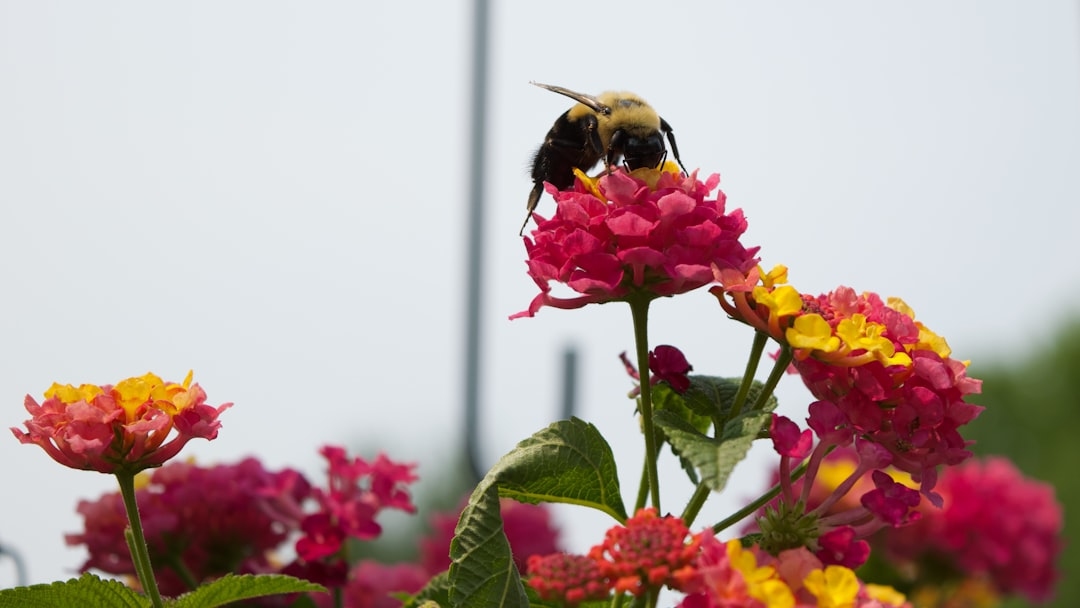
10. Lantana (Lantana camara)
Zones: annual in Zones 1–8; perennial in Zones 9–11. Bloom: summer to frost. Lantana clusters look like tiny bouquets of multicolored florets — yellow fading to orange to pink on the same flower head as it ages. The rough, deeply veined leaves have a strong, slightly unpleasant smell when crushed. A butterfly magnet, particularly for swallowtails.
Perennial Flowers: Plant Once, Enjoy for Years
Perennials return year after year from the same root system. The upfront cost is higher — typically $6–$15 per plant at retail — but the long-term value is unbeatable. Many spread or self-seed, giving you more plants over time for free.
11. Black-Eyed Susan (Rudbeckia hirta)
Zones: 3–9. Bloom: midsummer to fall. The golden-yellow, daisy-like petals surrounding a domed, dark brown center are one of summer’s most cheerful sights. The stems and leaves are noticeably hairy — almost bristly — which distinguishes it from similar coneflowers. Extremely drought-tolerant once established.
12. Purple Coneflower (Echinacea purpurea)
Zones: 3–9. Bloom: midsummer to early fall. Echinacea has drooping purple-pink petals and a spiny, raised orange-brown center cone — that cone is the key ID feature distinguishing it from rudbeckia. Birds feed on the seed heads through winter, so leaving them standing is both ecological and low-maintenance.
13. Daylily (Hemerocallis spp.)
Zones: 3–9. Bloom: early summer to midsummer. Each individual daylily flower lasts only one day (hence the name), but a mature plant carries dozens of buds and blooms for three to five weeks. The strap-like foliage grows in fans from the base. Unlike true lilies, daylilies grow from fleshy roots, not bulbs, and are nearly indestructible.
14. Hostas (Hosta spp.) — grown for foliage, but flowers count
Zones: 3–9. Bloom: midsummer. Hostas are primarily foliage plants, but their lavender to white, bell-shaped flowers on tall scapes are lovely and fragrant in some varieties like H. plantaginea. The broad, ribbed leaves in blue-green, chartreuse, or variegated forms are more identifying than the blooms.
15. Coneflower relatives — Blanket Flower (Gaillardia × grandiflora)
Zones: 3–10. Bloom: early summer to frost. Blanket flowers look like zinnias designed by a sunset — petals in rings of red, orange, and yellow with a burgundy center. The key ID trait: petals are tipped with yellow “teeth.” Extremely heat and drought tolerant; one of the longest-blooming perennials available.
16. Lavender (Lavandula angustifolia)
Zones: 5–8. Bloom: early to midsummer. The narrow, gray-green leaves and spike of tiny purple florets are impossible to mistake once you know the scent. English lavender is the hardiest species; Spanish lavender (L. stoechas) has distinctive “rabbit ear” bracts on top of each flower spike. Requires excellent drainage — it rots in wet clay soil.
17. Salvia (Salvia nemorosa and relatives)
Zones: 4–9 (varies by species). Bloom: late spring through fall. Hardy salvias form dense spikes of small, two-lipped flowers in deep violet, blue, pink, or white. The square stems — a hallmark of the mint family — and fragrant, textured leaves are key identifiers. ‘May Night’ is one of the most reliable varieties, blooming in May and again in late summer if cut back.
18. Coreopsis / Tickseed (Coreopsis grandiflora)
Zones: 4–9. Bloom: early summer to fall. Bright yellow, daisy-like flowers on slender stems with deeply cut, almost thread-like leaves. The petals often have a small notch at the tip — a subtle but useful ID detail. One of the most carefree perennials; deadheading extends bloom by weeks.
19. Bee Balm (Monarda didyma)
Zones: 4–9. Bloom: midsummer. The shaggy, firework-like flower heads in red, pink, purple, or white sit atop square stems (another mint family member). The aromatic leaves smell of oregano and citrus. Bee balm spreads aggressively via rhizomes — plant it where you have room or plan to divide it every 2–3 years.
20. Astilbe (Astilbe spp.)
Zones: 3–9. Bloom: early to late summer depending on variety. Astilbe’s feathery plumes in white, pink, red, and lavender rise above finely divided, fern-like foliage. It’s one of the few perennials that genuinely thrives in moist shade. The plumes dry attractively on the plant and can be left for winter interest.
21. Shasta Daisy (Leucanthemum × superbum)
Zones: 4–9. Bloom: early to midsummer. Classic white petals around a flat yellow center, on stems 2–3 feet tall. Distinguish from oxeye daisy (a weed) by the larger flower size — Shastas typically have blooms 3–4 inches across — and the more compact, upright growth habit.
22. Yarrow (Achillea millefolium)
Zones: 3–9. Bloom: early summer to fall. Yarrow’s flat-topped flower clusters (corymbs) in white, yellow, pink, or red sit above feathery, aromatic, almost fern-like leaves. The species name millefolium means “thousand leaves” — an apt description. Extremely drought tolerant and a favorite of butterflies and beneficial insects.
23. Russian Sage (Perovskia atriplicifolia)
Zones: 5–9. Bloom: midsummer to fall. Airy spikes of tiny lavender-blue flowers on silvery-white stems create a haze of color from July onward. The deeply cut, aromatic leaves smell faintly of sage. Despite the name, it’s not a true sage — it’s classified in the mint family and shares the characteristic square stem.
24. Catmint (Nepeta × faassenii)
Zones: 3–8. Bloom: late spring to fall. Soft blue-purple flower spikes over mounded, gray-green foliage. Often confused with lavender from a distance, but catmint grows faster, tolerates more soil types, and blooms again prolifically after a midsummer shearing. ‘Walker’s Low’ grows 18–24 inches and is among the most reliable performers in American gardens.
25. Coreopsis ‘Moonbeam’ (Coreopsis verticillata ‘Moonbeam’)
Zones: 3–9. Bloom: early summer to fall. This threadleaf coreopsis variety produces a nonstop froth of soft, creamy-yellow flowers on delicate, mounding plants. The extremely fine, needle-like leaves distinguish it from other coreopsis species. Won the Perennial Plant of the Year award in 1992 — still a top performer decades later.
Bulb Flowers: Underground Treasure
Bulb flowers store their energy underground, giving you spectacular blooms that emerge year after year with almost no effort. Spring-blooming bulbs are planted in fall; summer-blooming bulbs go in after the last frost. Buying in bulk is a major money-saver — 50 tulip bulbs can cost as little as $20 online versus $1–$2 each at retail.
26. Tulip (Tulipa spp.)
Zones: 3–7 (some to Zone 8 with treatment). Bloom: early to late spring. The classic cup-shaped tulip comes in single, double, fringed, parrot, and lily-flowered forms. All share smooth, waxy, strap-shaped leaves with a gray-green color. Tulips in Zones 7 and warmer need to be chilled for 10–12 weeks before planting or treated as annuals.
27. Daffodil (Narcissus spp.)
Zones: 3–8. Bloom: early to midspring. The six outer petals (technically tepals) and central trumpet or cup are unmistakable. Unlike tulips, daffodils are poisonous to deer, rabbits, and squirrels — making them the most reliably returning of all spring bulbs. The hollow, strap-like leaves are a key ID marker.
28. Hyacinth (Hyacinthus orientalis)
Zones: 4–8. Bloom: midspring. Dense, cylindrical clusters of star-shaped florets in blue, pink, white, purple, yellow, and red — with an almost overwhelmingly sweet fragrance. A single hyacinth bulb can scent an entire room. The thick, glossy leaves emerge alongside the flower spike.
29. Allium (Allium spp.)
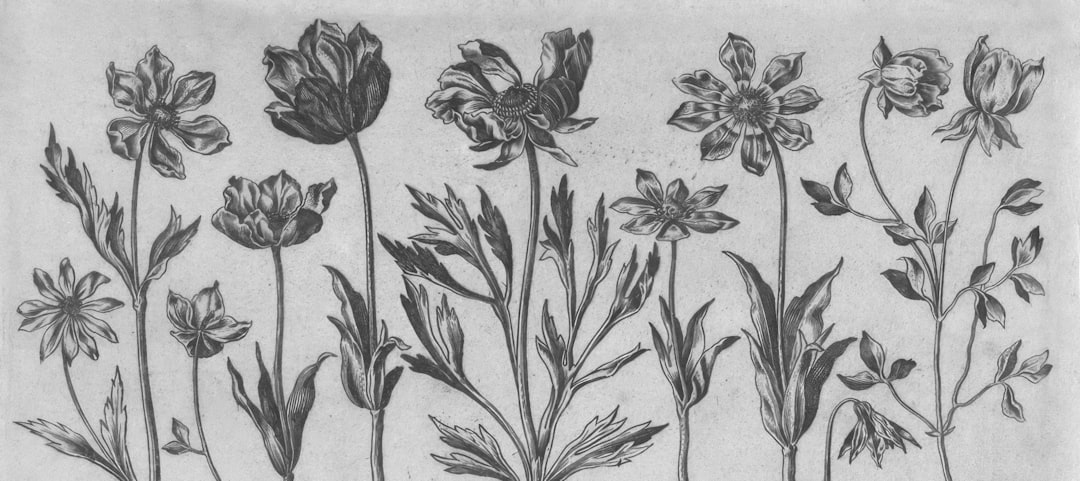
Zones: 4–9. Bloom: late spring to early summer. Ornamental alliums produce perfect spheres of tiny star-shaped flowers in purple, white, or yellow atop bare, leafless stems. Crush a leaf and the onion scent confirms the ID immediately — alliums are relatives of culinary onions and garlic. ‘Globemaster’ produces heads 10 inches across.
30. Crocus (Crocus spp.)
Zones: 3–8. Bloom: late winter to early spring (some fall-blooming). Crocuses are often the very first flowers of spring — sometimes pushing through snow in February. The cup-shaped flowers in purple, white, yellow, and striped patterns emerge with or before the narrow, grass-like leaves that have a distinctive white stripe down the center.
31. Gladiolus (Gladiolus spp.)
Zones: 7–10 as perennial; annual in colder zones. Bloom: summer. The sword-shaped leaves (gladius = sword in Latin) and tall spikes of ruffled, funnel-shaped flowers are definitive. Florists love them for their long vase life and vertical drama. Plant corms every two weeks from late April through June for continuous blooms all summer.
32. Dahlia (Dahlia spp.)
Zones: 8–11 as perennial; treat as annual or dig tubers in colder zones. Bloom: midsummer to frost. Dahlias range from 2-inch pompons to 14-inch “dinner plate” varieties. The opposite, pinnately compound leaves and hollow stems distinguish them from similar flowers. Tubers cost $5–$25 each; a single tuber produces multiple plants if divided at the eye.
33. Caladium (Caladium bicolor) — foliage with impact
Zones: 9–11 perennial; elsewhere as annual. Bloom: grown for foliage. While not a traditional “flower,” caladiums produce arrow-shaped leaves in combinations of white, pink, red, and green so vivid they function as blooms in shady spots. The papery, almost translucent quality of the leaves is a signature trait.
34. Lily (Lilium spp.)
Zones: 3–9. Bloom: early to late summer depending on type. True lilies grow from scaly bulbs (not to be confused with daylilies, which are a separate genus). Asiatic lilies bloom in early summer and are unscented; Oriental lilies bloom in late summer and are powerfully fragrant. All have lance-shaped leaves arranged along the stem in a spiral pattern.
Climbing and Vining Flowers: Vertical Drama
Vining flowers are among the most cost-effective way to add impact to a garden. A single $4 packet of morning glory seeds can cover a 10-foot fence by August. Many climbers also double as privacy screens, cutting down on the need for expensive fencing or structures.
35. Clematis (Clematis spp.)
Zones: 4–9 (varies by variety). Bloom: spring through fall depending on type. Clematis vines wrap their leaf petioles around supports to climb — no tendrils, no hooks. The four to eight petal-like sepals form flowers ranging from 1-inch bells to 10-inch flat-faced plates. ‘Jackmanii’ with its deep purple blooms remains the most widely grown variety in the US.
36. Morning Glory (Ipomoea purpurea)
Zones: annual in all zones. Bloom: midsummer to frost. Heart-shaped leaves and trumpet-shaped flowers that open in the morning and close by afternoon. The five petals are fused into a funnel shape with a distinct star pattern in the center. Self-seeds prolifically — in some southern states, it’s classified as invasive.
37. Sweet Pea (Lathyrus odoratus)
Zones: annual in all zones (cool season). Bloom: spring to early summer. Sweet peas have the distinctive butterfly-shaped flowers of the legume family — a broad upper petal (standard), two side petals (wings), and two lower petals forming a keel. The fragrance is legendary: floral, warm, and slightly spicy. Sow seeds 6–8 weeks before the last frost.
38. Wisteria (Wisteria sinensis / W. frutescens)
Zones: 5–9. Bloom: late spring. Cascading clusters (racemes) of pea-like flowers in purple, blue, pink, or white, with a sweet, grape-like fragrance. W. frutescens (American wisteria) is far better behaved than the invasive Asian species; look for cultivars ‘Amethyst Falls’ and ‘Blue Moon’ for manageable size and reliable bloom.
39. Passionflower (Passiflora incarnata)
Zones: 5–9. Bloom: midsummer. The most structurally complex flower in this guide — a fringe of thread-like filaments (corona) surrounds a central column of stamens and pistils, all set against five white petals. The deeply lobed, three-fingered leaves are equally distinctive. Native to the eastern US and the host plant for Gulf fritillary butterfly larvae.
Shrub Flowers: The Garden’s Backbone
Flowering shrubs provide structure and multi-season interest that annuals and perennials can’t match. A well-chosen shrub that costs $25–$40 at planting may be worth ten times that in landscape value a decade later.
40. Hydrangea (Hydrangea spp.)
Zones: 3–9 (varies by species). Bloom: summer to fall. The large, mophead or lacecap flower clusters in blue, pink, white, or purple are one of the most recognized flowers in American gardens. Blue flower color in bigleaf hydrangeas (H. macrophylla) is pH-dependent — acidic soil (pH below 6) produces blue; alkaline soil produces pink. Smooth hydrangea (H. arborescens) ‘Annabelle’ is the easiest species for beginners, hardy to Zone 3.
41. Rose (Rosa spp.)
Zones: 3–11 depending on variety. Bloom: late spring to fall. Roses have pinnately compound leaves with serrated leaflets, thorny canes, and multi-petaled flowers — from 5 petals in single forms to 40+ in full doubles. Knockout roses, introduced in 2000, have dramatically lowered the maintenance bar; they’re disease-resistant and bloom continuously without deadheading.
42. Lilac (Syringa vulgaris)
Zones: 3–7. Bloom: mid to late spring. Lilac’s heart-shaped, opposite leaves and dense, cone-shaped clusters of tiny four-petaled flowers are unmistakable — as is the intoxicating fragrance. Common lilac requires cold winters to bloom well; gardeners in Zones 8–9 should seek low-chill varieties or substitute with mock orange (Philadelphus).
43. Azalea (Rhododendron spp.)
Zones: 4–9. Bloom: spring. Azaleas are technically rhododendrons — but the distinction matters: azaleas typically have smaller leaves, five stamens per flower, and often deciduous habits. The funnel-shaped flowers appear before or with the leaves in spring, covering the shrub so densely the foliage is barely visible. Evergreen varieties (‘Encore’ series) rebloom in fall.
44. Spirea (Spiraea spp.)
Zones: 3–9. Bloom: spring or summer depending on species. Bridal wreath spirea (S. prunifolia) is covered in white button flowers along arching stems in spring; bumald spirea (S. × bumalda) produces flat-topped clusters of pink to red flowers in summer. The tiny five-petaled flowers and alternate simple leaves are consistent identifiers across species.
45. Butterfly Bush (Buddleia davidii)
Zones: 5–9. Bloom: midsummer to frost. Long, arching spikes of tiny, honey-scented tubular flowers in purple, pink, white, or magenta attract butterflies by the dozen. Note: butterfly bush is considered invasive in the Pacific Northwest and parts of the mid-Atlantic. Sterile varieties like ‘Lo & Behold’ series solve the seed-spreading problem for responsible gardeners.
Wildflowers and Native Flowers: Beauty That Belongs
Native flowers have co-evolved with local wildlife over thousands of years. They require less water, less fertilizer, and less intervention than most exotics — making them the smartest long-term investment for a budget-conscious gardener. A $25 investment in a native wildflower seed mix can colonize an area for years with zero replanting.
46. Wild Bergamot (Monarda fistulosa)
Zones: 3–9. Bloom: midsummer. Closely related to cultivated bee balm, wild bergamot has lavender-pink flowers and a slightly more open, informal appearance. The square stems and strong oregano-like fragrance confirm family membership (mint). A critical nectar source for native bees, including the specialist bee Anthophora walshii.
47. California Poppy (Eschscholzia californica)
Zones: annual or short-lived perennial in Zones 5–10. Bloom: spring through summer. The four satiny petals in orange, yellow, pink, or cream open with sunlight and close at night or on cloudy days — a behavior called nyctinasty. The feathery, blue-green foliage is as beautiful as the flowers. State flower of California; grows wild from Oregon to Baja.
48. Milkweed (Asclepias tuberosa) — Butterfly Weed
Zones: 3–9. Bloom: early to midsummer. Flat-topped clusters of intense orange flowers above lance-shaped leaves — the only native milkweed with no milky latex when the stem is broken. The sole host plant for monarch butterfly larvae. Extremely drought tolerant once established; the deep taproot means it resents transplanting, so site it carefully from the start.
49. Blue Wild Indigo (Baptisia australis)
Zones: 3–9. Bloom: late spring. Tall spikes of indigo-blue, pea-shaped flowers above blue-green, clover-like foliage. The inflated seed pods that follow are as ornamental as the flowers and rattle when mature — hence the folk name “rattleweed.” Baptisia is extremely slow to establish (expect minimal flowering in year one or two) but becomes a stunning, deer-resistant 3–4 foot mound that lives for decades.
50. Goldenrod (Solidago spp.)
Zones: 3–9. Bloom: late summer to fall. Often unfairly blamed for hay fever (the actual culprit is ragweed, which blooms simultaneously), goldenrod is a critical late-season nectar source for migrating monarchs and native bees. The arching plumes of tiny golden-yellow flowers and lance-shaped, alternate leaves are distinctive. ‘Fireworks’ and ‘Little Lemon’ are compact garden-friendly cultivars.
Common Mistakes to Avoid When Identifying Flowers
Even experienced gardeners make these errors. Knowing them in advance saves frustration and potentially your safety.
- Relying on color alone. At least a dozen common garden flowers share shades of purple. Look at leaf shape, stem structure, fragrance, and growth habit together — never just one feature.
- Confusing cultivar names with species names. ‘Endless Summer’ is a hydrangea cultivar, not a species. Understanding this distinction helps you read plant tags accurately and shop with confidence.
- Assuming “wildflower” means “safe to handle.” Wild parsnip (Pastinaca sativa), often mistaken for harmless wildflowers, causes severe blistering burns on contact in sunlight. When in doubt, don’t touch unidentified plants.
- Ignoring the zone label. A plant labeled “perennial” at your local nursery may be perennial only in Zones 9–11 — meaning it’s an annual in most of the US. Always check the hardiness zone, not just the word “perennial.”
- Using one photo for ID. Plant ID apps like iNaturalist and PictureThis are helpful but imperfect. Cross-reference any app identification with a second source, especially for plants you plan to eat or handle extensively.
- Ignoring bloom time as a clue. If a flower is blooming in February in Zone 5, it’s almost certainly a late-season winter aconite or early crocus — not a summer annual that somehow survived. Bloom timing narrows possibilities dramatically.
How to Build Your Flower Identification Skills Over Time
The 50 flowers in this guide are a foundation, not a ceiling. Once you can recognize these reliably, you’ll find that botanical families start to click — you’ll notice that all mint family members have square stems, that legume flowers share a butterfly-wing shape, that composite flowers (the daisy family) are actually dozens of tiny flowers masquerading as one.
Three practical steps to accelerate your learning:
- Keep a garden journal with photos and notes. A simple smartphone album organized by date and location is enough. Over two or three seasons, patterns emerge that no guidebook can replicate.
- Join iNaturalist — it’s free. The community of 1.5 million active naturalists will help confirm your identifications and introduce you to plants you’d never encounter otherwise. Observations you submit also contribute to real scientific research.
- Visit a botanical garden with labels. Most US cities have at least one. The Smithsonian’s Enid A. Haupt Garden in Washington DC, the Chicago Botanic Garden, and the Denver Botanic Gardens all offer free or low-cost admission days and well-labeled collections.
Budget Flower Gardening: Getting More Blooms Per Dollar
Knowing your flowers pays literal dividends when it comes to shopping. Here’s how to stretch every gardening dollar:
- Start annuals from seed. A $3 packet of zinnia seeds produces the same flowers as $40 worth of nursery six-packs. Direct sow after last frost.
- Buy perennials in smaller sizes. A 1-quart perennial ($5–$8) catches up to a 1-gallon plant ($12–$18) within one growing season and often establishes better due to less transplant shock.
- Swap divisions with neighbors. Bee balm, coneflower, daylilies, hostas, and black-eyed Susans all benefit from division every 3–4 years. Plant swaps are one of the most underrated resources in home gardening.
- Shop end-of-season sales. August and September clearances at garden centers often offer 50–75% off perennials. Plants look rough but typically establish perfectly when planted in fall’s cooler temperatures.
- Order bulbs online in bulk. Dutch Bulb companies sell 50 tulips or daffodils for $15–$25. The same quantity costs $50–$75 at retail.
Frequently Asked Questions
What is the easiest way to identify a flower I don’t recognize?
The fastest method is to photograph the flower, its leaves, and its stem, then run them through a plant identification app like iNaturalist, PictureThis, or PlantNet. Cross-reference the result with a regional field guide or university extension website to confirm. Never rely solely on one app identification for plants you plan to handle or consume.
What’s the difference between an annual and a perennial flower?
An annual completes its entire life cycle — seed to flower to death — in one growing season and must be replanted each year. A perennial returns from the same root system for three or more years. Biennials, a third category, take two years to flower, then die. USDA hardiness zone determines whether a plant behaves as a perennial or annual in your specific location.
How do I use a flower identification guide effectively?
Start with what you can observe directly: flower color, number of petals, leaf shape and arrangement (opposite or alternate on the stem), stem characteristics (round, square, hollow), fragrance, and height. Narrow your search using two or three of these features together, then confirm with a regional guide or verified online database such as the USDA PLANTS Database (plants.usda.gov).
Are there any common garden flowers that are toxic to pets?
Yes — several widely grown flowers are toxic to cats and dogs. Lilies (Lilium spp.) are severely toxic to cats and can cause fatal kidney failure even in small amounts. Daffodils, tulips (especially the bulb), lantana, and azaleas are also toxic to dogs and cats. The ASPCA maintains a comprehensive, searchable toxic plant database at aspca.org/pet-care/animal-poison-control/toxic-and-non-toxic-plants.
What flowers are best for a beginner gardener on a tight budget?
The five most forgiving, cost-effective flowers for beginners are: zinnias (direct sow from $2–$3 seed packets), marigolds (widely available as transplants for $1–$2 each or cheaply from seed), black-eyed Susans (perennial, spreads freely), daffodils (deer-proof bulbs that naturalize and return for decades), and coneflowers (drought-tolerant perennials that self-seed generously). All perform well across a wide range of US conditions.
Your Next Step: Put a Name to Every Flower in Your Yard
Walk outside this week — or scroll through your phone’s camera roll — and try to name five flowers using what you’ve learned here. You’ll almost certainly recognize more than you expect. That moment of recognition, when a plant you’ve walked past a hundred times finally has a name and a story, is what turns casual observers into genuine gardeners.
A complete flower identification guide like this one is only as useful as the time you spend applying it. Bookmark it for your next nursery visit, your next neighborhood walk, or the next time someone hands you a bouquet and you want to know exactly what you’re holding. The more flowers you can name, the richer every garde