How to Make Professional-Looking Flower Arrangements at Home
15 min read
Contents:
- Why Florists’ Arrangements Look Different (and How to Close the Gap)
- Essential Tools for Professional Flower Arrangements at Home
- Cutting and Conditioning Tools
- Mechanics and Structure
- Finishing Touches
- Understanding Flower Types: The Design Triangle
- Focal Flowers (Form Flowers)
- Filler Flowers (Mass Flowers)
- Line Flowers and Texture
- Color Theory for Stunning Arrangements
- Four Reliable Color Schemes
- The Role of Green
- Step-by-Step: Building Your First Professional Arrangement
- Step 1: Choose and Prep Your Container
- Step 2: Build Your Greenery Base
- Step 3: Place Your Focal Flowers
- Step 4: Add Filler Flowers
- Step 5: Add Line Flowers and Final Texture
- Step 6: Final Check
- Common Mistakes to Avoid
- Sourcing Flowers Sustainably
- Grow Your Own
- Buy Local and Seasonal
- Support Domestic Wholesale
- Eco-Friendly Mechanics
- Adapting Arrangements to Different Spaces and Occasions
- Dining Table Centerpieces
- Entryway and Statement Pieces
- Small Space Arrangements
- Seasonal Considerations
- Extending Vase Life: The Practical Side of Professional Arrangements
- Daily Maintenance
- The Cold Water Trick
- Humidity and Temperature
- Professional Flower Arrangements at Home: Building Your Eye Over Time
- Frequently Asked Questions
- What flowers are best for beginners making professional-looking arrangements at home?
- How do I keep flowers fresh longer in an arrangement?
- What is the best container for home flower arrangements?
- Do I need floral foam to make professional arrangements at home?
- How much does it cost to make a professional-looking flower arrangement at home?
- Keep Growing: Your Next Steps
What separates a grocery store bouquet stuffed into a vase from an arrangement that makes guests stop and ask, “Did you do that yourself?” The answer isn’t expensive flowers or a florist’s certificate — it’s knowledge. Specifically, it’s understanding a handful of design principles, a few key techniques, and which tools actually matter. Creating professional flower arrangements at home is absolutely within reach, and this guide will walk you through everything you need to get there.
You’ve already grown the plants, studied the seasons, and learned which varieties thrive in your garden. Now it’s time to bring that same curiosity indoors and turn what you grow (or buy) into something genuinely stunning. Whether your style is lush and overflowing or clean and architectural, the fundamentals are the same — and they’re easier to learn than you might think.
Why Florists’ Arrangements Look Different (and How to Close the Gap)
Walk into a professional florist’s studio and you’ll notice something immediately: the arrangements have weight, rhythm, and a sense of intention. Nothing looks accidental. That’s not magic — it’s mechanics.
Professional florists follow the same design vocabulary used in fine art: focal points, line, form, texture, and color harmony. They also use specific tools and techniques to control how stems sit in an arrangement, how long flowers last, and how the eye moves across the piece. The good news is that none of this requires professional training. It requires practice, the right starting information, and a willingness to experiment.
One major difference between amateur and professional arrangements is proportion. Most beginners use a vase that’s too small or too large for their stems. A reliable rule: your arrangement should be roughly 1.5 to 2 times the height of your container. That single adjustment alone will immediately elevate your work.
Another gap? Mechanics. Florists use floral foam, frogs (the metal pin holders, not the amphibians), and tape grids to control exactly where each stem goes. Home arrangers often skip this step and end up fighting stems that keep sliding out of position. We’ll cover mechanics in detail below.
Essential Tools for Professional Flower Arrangements at Home
You don’t need a fully stocked supply room. But a few specific tools make an enormous difference in the quality and longevity of your arrangements.
Cutting and Conditioning Tools
- Floral snips or bypass pruners: A clean, angled cut is critical. Scissors crush stem cells; a sharp bypass pruner or dedicated floral snips make a precise cut that allows water uptake. Expect to spend $15–$35 for a quality pair.
- A clean bucket: Condition your stems in fresh, room-temperature water for at least 4 hours (ideally overnight) before arranging. This dramatically extends vase life — studies from Wageningen University have shown proper conditioning can extend cut flower longevity by 2–3 days.
- Floral preservative: Those little packets that come with grocery store bouquets actually work. The mix of sugar (food for the flower), acidifier (lowers pH to improve uptake), and biocide (kills bacteria) is effective. You can also make a rough DIY version with 1 tablespoon of sugar, 1 tablespoon of white vinegar, and ½ teaspoon of bleach per quart of water.
Mechanics and Structure
- Floral foam (Oasis): Ideal for dense, structured arrangements. Always soak foam by floating it in water — never push it under — until it sinks on its own (about 60–90 seconds). Forcing it traps air pockets and leads to dry spots that kill stems.
- Floral frogs (kenzan): Heavy metal pin holders that sit in the bottom of a shallow container. These are excellent for loose, airy arrangements and Japanese ikebana-inspired designs. A good kenzan runs $10–$25 and lasts decades.
- Waterproof floral tape: Use this to create a grid over the mouth of a vase. A simple 3×3 tape grid gives you control over stem placement without any foam. This is ideal for glass vases where foam would be visible.
- Chicken wire: Crumpled inside a container and secured with tape, chicken wire provides structure for large or heavily-stemmed arrangements. Professional florists use this for tall vases and oversized centerpieces.
Finishing Touches
- Floral wire and stem tape: For wiring delicate stems, repairing broken flower heads, or extending short-stemmed blooms.
- Flower food spray: A light misting of fresh water keeps petals hydrated, especially in dry indoor environments. Plain water in a fine-mist bottle works perfectly.
Understanding Flower Types: The Design Triangle
Professional florists think about every arrangement in terms of three categories of flowers, and balancing all three is the fastest shortcut to a design that looks intentional rather than random.
Focal Flowers (Form Flowers)
These are your stars — large, eye-catching blooms that anchor the design. Think dahlias, garden roses, peonies, sunflowers, and protea. You typically need 3 to 7 focal flowers per arrangement, depending on the size. Odd numbers look more natural than even. Place these first so the rest of the arrangement builds around them.
Filler Flowers (Mass Flowers)
Filler flowers add volume, softness, and color transitions. Baby’s breath (gypsophila), waxflower, lisianthus, ranunculus, and spray roses all fall here. They’re the supporting cast — they make the focal flowers look better. Plan for roughly 30–40% of your stems to be fillers.
Line Flowers and Texture
These create movement and height. Snapdragons, delphiniums, gladiolus, and liatris create vertical interest. Texture elements — eucalyptus, ferns, dusty miller, astilbe, and ornamental grasses — add depth and contrast. A common beginner mistake is skipping texture entirely, which leaves arrangements looking flat even with beautiful focal flowers.
Color Theory for Stunning Arrangements
Color is the most immediately noticeable element of any arrangement, and working with color theory — even loosely — transforms results dramatically.
Four Reliable Color Schemes
- Monochromatic: All one color family in varying shades and tints. An all-white arrangement with ivory, cream, and green accents is a perfect example. Elegant, modern, and forgiving to execute.
- Analogous: Colors that sit next to each other on the color wheel. Orange, peach, coral, and yellow make a warm, harmonious palette that works especially well in autumn. This is probably the most naturally pleasing scheme for beginners.
- Complementary: Colors directly opposite on the color wheel — purple and yellow, red and green, orange and blue. High contrast and vibrant. Use one color as dominant (about 70%) and the other as an accent (about 30%) to avoid a chaotic look.
- Split-complementary: One base color paired with the two colors on either side of its complement. Blue with yellow-orange and red-orange, for example. This gives you the visual energy of complementary color without the jarring contrast. It’s a professional trick that looks sophisticated without being difficult.
The Role of Green
Never underestimate foliage. Green acts as a neutral that makes every color look more saturated and intentional. A rule of thumb: greenery should make up at least 20–25% of your total arrangement. Eucalyptus, Italian ruscus, pittosporum, and salal are workhorses. If you grow your own, boxwood cuttings, hosta leaves, and ferns all perform beautifully in arrangements.
Step-by-Step: Building Your First Professional Arrangement
This walkthrough uses a classic all-around centerpiece — the kind that looks equally good from every angle. It works for dining tables, sideboards, and mantels.
Step 1: Choose and Prep Your Container
Select a container with a wide enough opening to give you flexibility. Clean it thoroughly — bacteria are the number one cause of short vase life. Add fresh water with floral preservative, or create a tape grid across the opening if needed. For a medium centerpiece (about 12–16 inches wide), a low, wide vessel like a compote or a fishbowl-style vase works well.
Step 2: Build Your Greenery Base
Add foliage first. This establishes the overall shape, hides the mechanics, and creates a natural framework for your flowers. Think of it like the frame of a house — the pretty stuff comes after the structure is solid. Aim for a rounded dome shape, slightly wider than you want the finished arrangement to be, since flowers will fill in the gaps. Strip all leaves that will sit below the waterline to prevent bacterial growth.
Step 3: Place Your Focal Flowers
Add your 3–7 focal flowers at varying heights — not all at the same level. The tallest stem in the center should be about 1.5 times the height of the container; outer stems should sit lower. This creates depth. Rotate the arrangement as you work so you’re building evenly from all sides.
Step 4: Add Filler Flowers
Fill in the gaps between focal flowers with your filler blooms. Cut stems shorter than you think you need to — a common beginner mistake is leaving stems too long, which pushes flowers out of the arrangement rather than nestling them in. Hold each stem against the arrangement before cutting, then cut about half an inch shorter than where it naturally rests.
Step 5: Add Line Flowers and Final Texture
Tuck in any remaining line flowers and textural elements to add visual interest and movement. Step back and look at the arrangement from eye level, not from above. Check for any “holes” or stems pointing awkwardly outward. Adjust by rotating the vase and filling gaps.
Step 6: Final Check
Top off the water, remove any stray leaves from the water, and clean the outside of the container. Then put it where it will live and don’t touch it for a few hours — arrangements often look better once the flowers have time to open slightly and settle into their final positions.
Common Mistakes to Avoid
Even experienced gardeners make these errors when transitioning to flower arranging. Knowing them in advance saves a lot of frustration.
- Cutting stems too short too soon: You can always cut more, but you can’t add length back. When in doubt, cut conservatively and reassess once the stem is placed.
- Using warm water for conditioning: Cold or room-temperature water is best for most cut flowers. Hot water accelerates wilting. The exception is woody-stemmed flowers (like lilac), which benefit from a short period in warm water to open vascular tissue.
- Overcrowding the arrangement: More flowers is not always better. Overcrowding blocks air circulation and leads to faster decay. If you have leftover stems, make a second, smaller arrangement rather than cramming everything in.
- Ignoring the back of the arrangement: Beginners often work from the front and forget the back. Rotate your container every few stems to build evenly from all angles.
- Skipping stem re-cutting: Recut stems under water or immediately before placing in the vase. Stems begin sealing within minutes of being cut, reducing water uptake. A fresh diagonal cut maximizes surface area and keeps water flowing.
- Placing arrangements near fruit or heat: Ethylene gas, produced by ripening fruit and released by natural gas appliances, accelerates petal drop. Keep arrangements away from the fruit bowl, stoves, and heating vents. Direct sunlight reduces vase life by 1–2 days on average.
Sourcing Flowers Sustainably
Here’s something most arranging guides skip over: where your flowers come from matters — both for quality and for the environment. The US floral industry imports roughly 80% of its cut flowers, primarily from Colombia and Ecuador. While those supply chains support thousands of workers, the carbon footprint of air-freighted flowers is significant. There are better options worth knowing about.
Grow Your Own
If you’re already a hobbyist gardener, you’re halfway there. Adding a dedicated cutting garden — even a 4×8-foot raised bed — can supply enough flowers from late spring through fall to cover most of your arranging needs. Top cutting garden performers include zinnias, lisianthus, dahlias, snapdragons, cosmos, and celosias. All are easy to direct sow or start from transplants, and all produce abundantly when cut regularly (cutting encourages more blooms, not fewer).
Buy Local and Seasonal
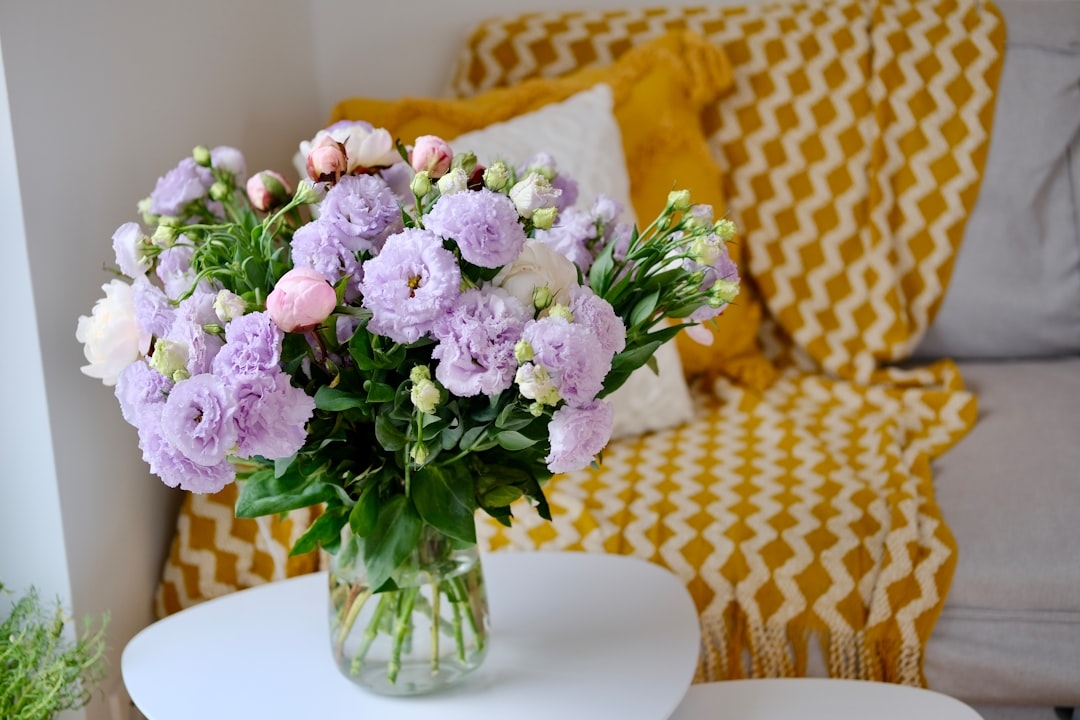
Farmers’ markets often have local flower vendors selling fresh-cut seasonal blooms that were harvested that morning — dramatically fresher than anything at a grocery store. Local blooms also tend to have longer vase lives because they haven’t spent two days in a refrigerated cargo hold. Search for certified American Grown flowers at your local market, and expect to pay roughly $8–$20 per bunch for premium varieties like dahlias or peonies in season.
Support Domestic Wholesale
Many wholesale flower markets (found in most major US cities) allow retail buyers on certain days of the week. The San Francisco Flower Mart, the Los Angeles Flower District, and the New York Flower District are open to the public during certain hours. Wholesale pricing runs 40–60% cheaper than retail, and the variety is unmatched. For hobbyists who arrange regularly, this is worth investigating.
Eco-Friendly Mechanics
Floral foam (Oasis) is made from phenol-formaldehyde resin and does not biodegrade. It breaks into microplastics that persist in waterways. For home arrangers who care about sustainability, alternatives include: natural fiber foam (brands like Floral Soil and OASIS Bioline), chicken wire and pin frogs, and tape grids. These alternatives work beautifully for most home arrangements. Reserve foam for arrangements that genuinely require it — large wedding-style designs or intricate geometric structures where other mechanics won’t hold.
Adapting Arrangements to Different Spaces and Occasions
A professional eye doesn’t just create beautiful flowers — it creates flowers that are right for their setting. Scale, color, and style should all respond to the environment.
Dining Table Centerpieces
Keep centerpieces at or below 12 inches in height so guests can see each other across the table. Wide, low arrangements in compote bowls or shallow trays work perfectly. Fragrance matters here — heavily scented flowers like lilies or gardenias can compete with food aromas, so consider mildly scented or unscented blooms like ranunculus, lisianthus, and spray roses for dining settings.
Entryway and Statement Pieces
This is where you can go big. Tall vases with long-stemmed arrangements, dramatic focal flowers like protea or birds of paradise, and bold color choices all work well in entryways because they’re meant to be seen from a distance. Aim for arrangements that are at least 24–30 inches tall for a foyer statement piece.
Small Space Arrangements
Not every arrangement needs to be a production. A single stem of Japanese anemone in a bud vase, three ranunculus in a small pitcher, or a handful of herbs and wildflowers in a mason jar — small arrangements deserve the same design thinking as large ones. Apply proportion (1.5× the container height), use odd numbers, and strip the foliage. A 5-minute mini arrangement done thoughtfully looks far more sophisticated than a rushed, oversized one.
Seasonal Considerations
Working with seasonal, locally available flowers is one of the best decisions you can make — both creatively and practically. Tulips and daffodils are at their peak in USDA Hardiness Zones 5–7 from late March through May. Summer means dahlias, zinnias, and sunflowers in most of the US. Fall brings marigolds, chrysanthemums, and ornamental kale. Winter is the time for evergreen branches, dried materials, amaryllis, and paperwhites. Seasonal flowers are fresher, cheaper, and more available — and designing with seasonal constraints often produces more interesting work than having access to everything year-round.
Extending Vase Life: The Practical Side of Professional Arrangements
A beautiful arrangement that lasts 3 days is a disappointment. One that looks good for 10–14 days feels professional. Longevity comes down to a few consistent habits.
Daily Maintenance
Check water levels daily. Most arrangements drink more water than you’d expect, especially in the first 24–48 hours. Top up with fresh water mixed with preservative. Remove any flowers that are past their prime — decaying plant material releases ethylene and bacteria that accelerate decline in the rest of the arrangement. Think of it like removing one bad apple from the bunch.
The Cold Water Trick
Every 2–3 days, remove all stems from the vase, recut the ends by about half an inch, clean the vase thoroughly, and refill with fresh cold water and preservative. This single habit can extend vase life by 3–5 days compared to doing nothing. It takes about 10 minutes.
Humidity and Temperature
Most cut flowers prefer cool temperatures. Moving your arrangement to a cool room (around 60–65°F) overnight — or even to an unheated garage in mild weather — can significantly extend its life. Commercial florists keep their coolers at 34–38°F for a reason. You don’t need a floral cooler, but you can approximate the benefit with cooler nighttime temperatures.
Professional Flower Arrangements at Home: Building Your Eye Over Time
The single most effective thing you can do to improve your arranging is to study arrangements you love — and arrangements you don’t. Follow florists whose work resonates with you on social media. Visit botanical garden shows. Look at how florists in different traditions (Western, Japanese ikebana, Dutch still-life inspired) approach the same materials differently.
Keep a small notebook or phone album of reference photos. When you see an arrangement you love — in a magazine, at a restaurant, at a wedding — photograph it and note what specifically appeals to you. Is it the color combination? The way the flowers cascade? The container? Breaking down what you admire is how you start incorporating it into your own work.
Document your own arrangements the same way. Photograph them from multiple angles when you’re happy with the result. This builds a visual vocabulary over time and lets you see your own progression, which is genuinely encouraging. Most hobbyists find that after 6–12 consistent months of arranging, their work looks dramatically different than when they started.
Frequently Asked Questions
What flowers are best for beginners making professional-looking arrangements at home?
Start with hardy, forgiving varieties that have long vase lives and hold their shape well. Lisianthus, alstroemeria, chrysanthemums, and spray roses are excellent choices — all last 10–14 days with proper care. For focal flowers, try sunflowers or garden roses. For texture, eucalyptus and Italian ruscus are widely available and easy to work with. Avoid flowers that wilt quickly (like lily of the valley) until you’re more comfortable with conditioning and care techniques.
How do I keep flowers fresh longer in an arrangement?
Use fresh, clean water with floral preservative. Recut stems at a 45-degree angle every 2–3 days. Keep arrangements away from direct sunlight, heat vents, and ripening fruit (which emits ethylene gas). Remove spent blooms promptly. Moving your arrangement to a cooler location overnight — around 60–65°F — can add several days of vase life. Avoid misting flowers directly, as standing water on petals encourages mold.
What is the best container for home flower arrangements?
The best container depends on the arrangement style. For all-around centerpieces, a low, wide vessel like a compote or bowl gives you the most flexibility. For tall, dramatic arrangements, a cylindrical vase with a 4–6 inch opening is ideal. For loose, casual bouquets, a simple clear glass vase lets the stems become part of the design. Always choose a container where the arrangement will be 1.5–2 times the height of the vase.
Do I need floral foam to make professional arrangements at home?
No. Many professional florists are moving away from floral foam for sustainability reasons. A tape grid (strips of waterproof floral tape across the vase mouth), a pin frog (kenzan), or crumpled chicken wire are all effective alternatives. Tape grids work well for most vase arrangements. Pin frogs are ideal for shallow bowls and minimalist designs. Foam is only truly necessary for large, complex designs where stems need to be placed horizontally or at sharp angles.
How much does it cost to make a professional-looking flower arrangement at home?
A quality centerpiece using grocery store or farmers’ market flowers typically costs $20–$45 in materials, including flowers, foliage, and preservative. If you grow your own cutting garden, the cost per arrangement drops significantly after the first season — often to just $5–$10 in supplemental purchases. Compare this to a florist’s centerpiece, which runs $60–$150+ for similar work. The tool investment — snips, frogs, tape — is a one-time cost of roughly $40–$60 and lasts for years.
Keep Growing: Your Next Steps
You now have the foundation to start making truly professional flower arrangements at home — the design principles, the mechanics, the color theory, and the care habits. The gap between where you are now and where you want to be is shorter than it feels on the first attempt.
Start with one arrangement this week. Use what you have — flowers from your garden, a bunch from the farmers’ market, or even a grocery store bouquet that you intentionally redesign using the techniques here. Apply the 1.5× proportion rule, use odd numbers of focal flowers, and add more greenery than you think you need. See what happens.
As you get more comfortable, push into areas that challenge you: try a new color scheme, work with a container you’ve been avoiding, or experiment with a design style you’ve admired but never tried. Every arrangement teaches you something, even the ones that don’t quite come together. Especially those.
The best flower arrangers aren’t the ones who got it right immediately — they’re the ones who kept going, kept experimenting, and kept paying attention to what grows around them.