How to Plan a Four-Season Flower Garden That Blooms Year Round
15 min read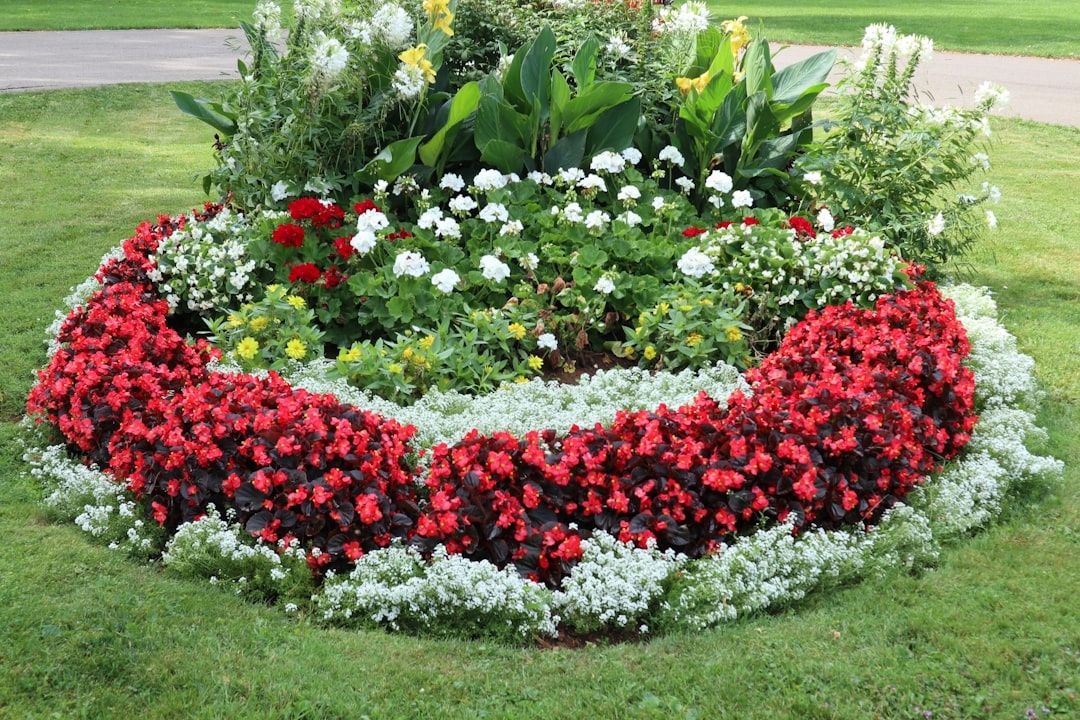
Contents:
- Why Most Gardens Go Dark—And How to Fix It
- Understanding Your Growing Zone Before You Buy a Single Plant
- Regional Differences That Change Everything
- The Core Framework: Bloom Windows and Plant Layers
- Spring Bloomers: The Stars of the Season
- Spring Bulbs (Plant in Fall)
- Early Perennials and Biennials
- Summer Bloomers: Building the Big Show
- Perennial Workhorses for Summer
- Annuals to Fill Gaps
- Fall Bloomers: The Season Most Beginners Forget
- Top Fall Performers
- Winter Interest: Color When You Least Expect It
- Plants That Deliver in Winter
- Building Your Four-Season Flower Garden Plan: A Step-by-Step Approach
- Step 1: Map Your Space
- Step 2: Assign Bloom Seasons to Zones in the Bed
- Step 3: Choose Your Anchor Plants First
- Step 4: Fill In with Secondary Bloomers and Annuals
- Step 5: Build in Succession Planting for Annuals
- Practical Tips for a Thriving Year-Round Garden
- Soil Preparation: The Investment That Pays Off Every Year
- Deadheading: The 10-Minute Habit That Doubles Bloom Time
- Watering Strategy: Deep and Infrequent Beats Shallow and Daily
- Mulching: One Application That Saves Hours of Work
- Dividing Perennials to Keep Them Vigorous
- A Sample Four-Season Flower Garden Plan for a 10×4 Foot Border
- Common Beginner Mistakes (And How to Avoid Them)
- FAQ: Four Season Flower Garden Planning
- What flowers bloom all four seasons?
- How do I plan a flower garden for beginners?
- When should I plant spring bulbs for a four-season garden?
- What perennials bloom the longest?
- Can I have a year-round flower garden in a cold climate?
- Your Year-Round Garden Starts With One Season
Picture this: it’s a gray February morning, and your neighbor’s front yard is somehow, impossibly, dotted with cheerful purple crocuses pushing up through frost-hardened soil. Meanwhile, your garden beds are bare and brown. You think, how do they do that? The answer isn’t magic, a bigger budget, or years of horticultural training. It’s a plan. A smart, intentional four season flower garden plan that keeps color coming from January through December.
The good news? You don’t need to be an expert. You just need to know which plants to pick, when to plant them, and how to layer them so that as one wave of blooms fades, the next is already warming up in the wings. This guide walks you through every step.
A year-round flower garden works by layering plants with different bloom times across all four seasons. Start with spring bulbs (tulips, daffodils), add summer perennials (coneflowers, black-eyed Susans), plan for fall bloomers (asters, sedums), and finish with winter-interest plants (hellebores, ornamental kale). Choose at least 2–3 plants per season, overlap their bloom windows, and plant them in clusters of 3 or 5 for visual impact. Read on for the full step-by-step breakdown.
Why Most Gardens Go Dark—And How to Fix It
Most beginner gardeners plant what looks pretty at the nursery in May. Naturally, everything is flowering in May at the nursery. So they bring home gorgeous impatiens and petunias, enjoy a spectacular summer, and then watch the whole show collapse by October. The garden goes quiet for six months, and the whole cycle repeats.
This is the single most common mistake in home gardening, and it’s not your fault. Nurseries display plants at peak bloom. Nobody hands you a calendar that says, “Here’s what happens to this bed in November.” That’s exactly what this guide is for.
A true four-season garden requires intentional plant selection across all four bloom windows. It also requires understanding that not every season needs to look the same. Winter interest might mean interesting seed heads and evergreen foliage rather than showy flowers. Early spring might mean just three or four brave little bulbs. That’s enough. Color is color.
Understanding Your Growing Zone Before You Buy a Single Plant
Before you spend a dollar at the garden center, know your USDA Hardiness Zone. The USDA Plant Hardiness Zone Map divides the US into 13 zones based on average annual minimum winter temperatures, and it determines which perennials will survive your winters and which won’t.
You can find your zone in about 30 seconds at planthardiness.ars.usda.gov by typing in your zip code. Once you have it, write it on a sticky note and take it to the nursery with you.
Regional Differences That Change Everything
Your region dramatically shapes your four-season strategy. Here’s how the approach differs across the US:
- Northeast (Zones 4–6): You get distinct seasons, which is actually a gift for year-round bloom planning. Spring bulbs perform brilliantly. Summers are lush. The challenge is winter—lean into hellebores, witch hazel, and ornamental grasses for December through February interest.
- Southeast & Gulf Coast (Zones 7–9): Your “winter” is a second growing season. Pansies, snapdragons, and dianthus planted in October bloom straight through February. Summer heat is your real challenge—choose heat-tolerant natives like lantana and gaillardia.
- Pacific Northwest (Zones 7–9, maritime): Mild, wet winters mean camellias and hellebores thrive from November through March. Summers are drier—watch irrigation needs for late-season bloomers.
- Mountain West & High Plains (Zones 3–5): Short growing seasons demand a tight timeline. Focus on fast-blooming annuals to fill summer gaps, and rely on cold-hardy bulbs and native prairie plants like blanket flower for reliable performance.
- Desert Southwest (Zones 8–11): Your bloom windows are inverted from the rest of the country. Spring (February–April) and fall (October–November) are your prime seasons. Summer blooms require serious drought tolerance—look at desert marigold, globe mallow, and brittlebush.
The Core Framework: Bloom Windows and Plant Layers
Think of your garden as a relay race. Each team of plants runs its leg, then passes the baton to the next. The secret to a seamless handoff is overlap—plant the next wave before the current one finishes.
Here’s a simple framework to internalize before selecting specific plants:
- Identify your four bloom windows (early spring, late spring/summer, late summer/fall, winter)
- Assign at least 2–3 plants to each window
- Stagger bloom times within each window so early-season plants overlap with mid-season ones
- Layer by height: tall plants in the back, medium in the middle, low-growers at the front
- Repeat clusters: plant in odd numbers (3 or 5 per variety) for cohesion
This framework works whether you have a 4-foot window box or a 400-square-foot backyard border.
Spring Bloomers: The Stars of the Season
Spring is when the garden earns its reputation. After months of bare soil, the first flowers feel like a celebration. The two categories to master here are bulbs and early perennials.
Spring Bulbs (Plant in Fall)
Spring bulbs are planted the previous fall—typically between September and November depending on your zone—and they deliver some of the most reliable, lowest-maintenance color in gardening. Here are the performers every beginner should know:
- Crocus: Blooms February–March, even through light snow. Plant 3 inches deep, 3 inches apart. A bag of 50 mixed crocuses costs around $12–$18 and covers about 4 square feet.
- Daffodils (Narcissus): Bloom March–April. Deer-resistant and rodent-proof—a huge advantage over tulips. Plant 6 inches deep. Choose a mix of early, mid, and late varieties to extend blooms for 6+ weeks.
- Tulips: Bloom April–May. Plant 8 inches deep in fall. Darwin Hybrid tulips are the most reliable re-bloomers; many others are best treated as annuals and replanted each year.
- Alliums: Bloom May–June. The giant purple globe-shaped flowers bridge spring and summer beautifully. Plant bulbs in fall, 4 inches deep.
Early Perennials and Biennials
- Hellebores (Lenten Rose): Bloom February–April in Zones 4–9. One of the few true late-winter flowers. A single plant spreads over time and can live 20+ years.
- Bleeding Heart (Lamprocapnos spectabilis): Blooms April–May in part shade. Perfect under deciduous trees.
- Creeping Phlox (Phlox subulata): Blooms April–May, forms a carpet of color, and requires virtually no care once established.
Summer Bloomers: Building the Big Show
Summer is the easiest season to fill—there are hundreds of options. The beginner’s challenge is actually narrowing it down and building in enough variety that something is always peaking, rather than everything exploding at once in June and then tapering off.
Perennial Workhorses for Summer
These plants come back every year and require minimal intervention:
- Black-Eyed Susan (Rudbeckia): Blooms July–September. Native to North America, drought-tolerant once established, and beloved by pollinators. Grows 24–36 inches tall.
- Purple Coneflower (Echinacea purpurea): Blooms June–August. Extremely adaptable across Zones 3–9. Leave seed heads standing in winter—goldfinches will thank you.
- Daylilies (Hemerocallis): Individual blooms last one day, but a healthy clump produces flowers for 3–6 weeks. Choose an early, mid, and late variety for continuous color from June through August.
- Salvia (perennial varieties like ‘May Night’): Blooms May–July, often rebounds with a second flush in September. Deer-resistant and pollinator-friendly.
- Catmint (Nepeta): Blooms May–June, then again August–September if cut back by half after the first flush. Lavender-blue and nearly indestructible.
Annuals to Fill Gaps
Annuals—plants that complete their life cycle in one season—are your gap-fillers and color boosters. They bloom continuously from planting until frost, unlike perennials that have defined peak windows.
- Zinnias: Direct-sow after last frost. Bloom July–frost. One of the easiest flowers to grow from seed; a $3 packet of seeds can fill a 10-foot row.
- Marigolds: Pest-deterring, heat-loving, and continuously blooming from June through frost. Excellent border plants.
- Cosmos: Feathery, delicate, and self-seeding in many climates. Sow directly in May; blooms in 7–8 weeks.
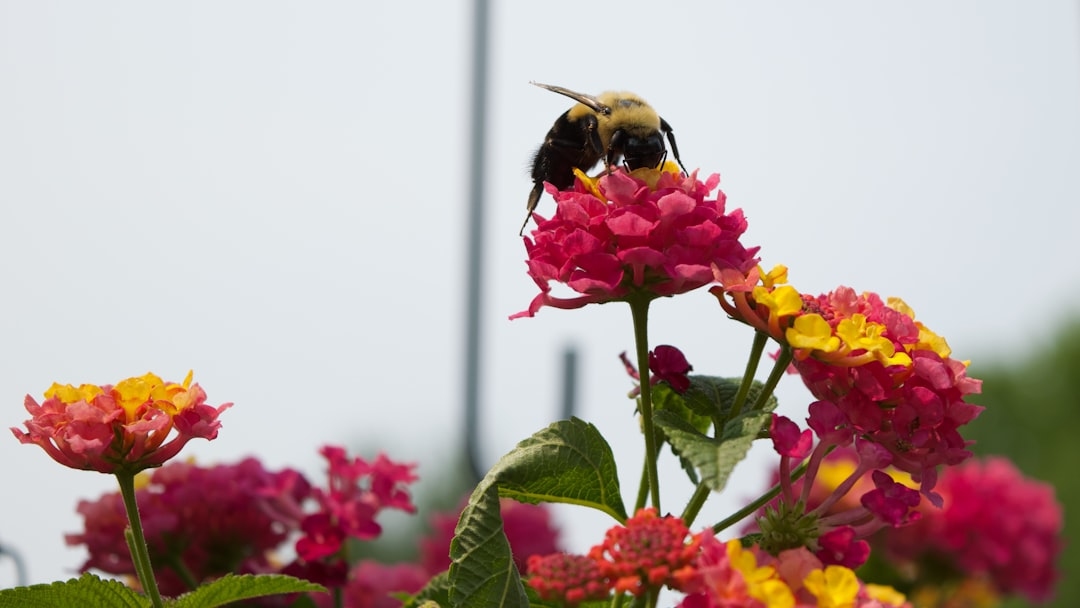
- Lantana: A powerhouse in hot climates (Zones 8–11, perennial; elsewhere, annual). Blooms non-stop in full sun and tolerates heat that kills most other flowers.
Fall Bloomers: The Season Most Beginners Forget
Here’s where most home gardens lose momentum. By late August, summer annuals are getting leggy, perennials are finishing up, and gardeners start thinking it’s “over.” It doesn’t have to be. Fall bloomers can carry the garden well into November in most US climates.
A reader story: Sarah from Columbus, Ohio told us she’d gardened for three years before realizing her yard was completely flowerless from September through May—a full eight months. “I thought fall gardening meant mums from the grocery store,” she said. The following year, she planted asters, ornamental kale, and a row of ‘Autumn Joy’ sedum in July. By October, her neighbors were stopping to ask what she’d done differently. The garden had never looked better, and she hadn’t added a single new summer plant.
Top Fall Performers
- Asters: Bloom August–October. Native asters like Symphyotrichum novae-angliae (New England aster) reach 3–5 feet tall and are smothered in purple, pink, or white daisies just as everything else is winding down. Plant in spring for fall blooms.
- Sedum ‘Autumn Joy’ (now Hylotelephium): Blooms August–September, then holds attractive rust-colored seed heads through winter. Thrives in average to poor soil. One of the most underused plants in American gardens.
- Ornamental Kale and Cabbage: Not a flower, technically, but delivers bold rosettes of purple, white, and pink from September through hard freezes. Widely available as transplants in September for $3–$5 each.
- Japanese Anemone: Blooms August–October in light shade. Elegant white or pink flowers on 2–4 foot stems. Spreads slowly but reliably.
- Toad Lily (Tricyrtis): Blooms September–October in shade. Exotic-looking spotted flowers when almost nothing else is blooming in shady spots.
- Chrysanthemums (hardy garden mums): The classic fall flower. For perennial performance, buy garden mums (not florist mums) in spring, let them establish, and they’ll bloom faithfully every fall. Florist mums sold in fall are often not hardy enough to survive winter.
Winter Interest: Color When You Least Expect It
True winter bloom is harder to achieve in most of the US—but not impossible, and “winter interest” goes beyond flowers. Ornamental grasses with feathery plumes, plants with colorful berries, and evergreen foliage all count.
Plants That Deliver in Winter
- Hellebores: Worth repeating here. In Zones 4–9, these bloom January–April, often poking through snow. The nodding flowers come in cream, deep plum, pink, and near-black.
- Witch Hazel (Hamamelis): A large shrub or small tree that blooms December–February with spidery yellow, orange, or red flowers and a remarkable fragrance. A single plant can perfume a yard on a winter day.
- Pansies (in mild climates): In Zones 6–9, pansies planted in October will bloom on and off all winter, especially during mild spells. They’re genuinely frost-tolerant to about 20°F.
- Ornamental Grasses: ‘Karl Foerster’ feather reed grass holds its golden seed plumes through January. Grasses move in winter wind in a way that bare beds simply cannot replicate.
- Winterberry Holly (Ilex verticillata): Loses its leaves and then erupts in brilliant red berries that persist December–February. A native shrub suited to Zones 3–9.
Building Your Four-Season Flower Garden Plan: A Step-by-Step Approach
Now that you know the players, here’s how to assemble your actual plan.
Step 1: Map Your Space
Sketch your bed on paper. Note which direction it faces (south-facing gets the most sun; north-facing the least). Mark any shady spots. Measure the dimensions—you need square footage to calculate how many plants to buy. A rough rule: most perennials need 18–24 inches of space; most annuals need 12–18 inches.
Step 2: Assign Bloom Seasons to Zones in the Bed
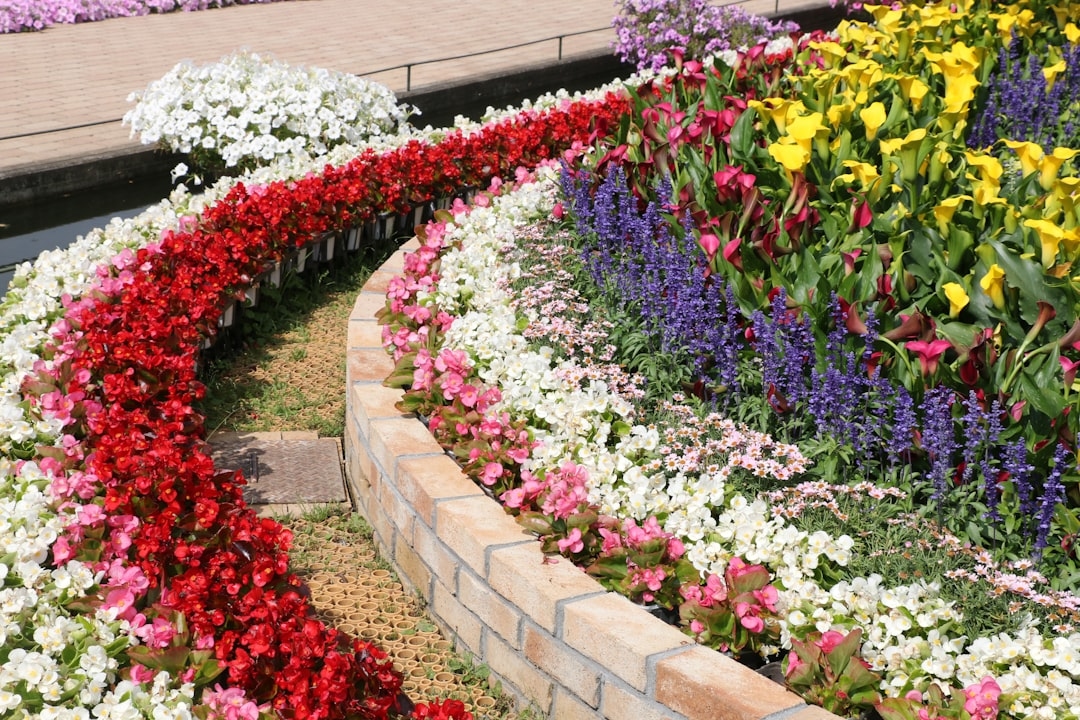
Don’t just scatter plants randomly. Assign specific areas to specific seasons so that when spring bulbs die back, summer perennials are already leafing out to hide the fading foliage. A classic layering trick: plant tulip bulbs directly in front of or underneath later-emerging perennials like hostas or daylilies. By the time tulip leaves yellow and collapse, the perennials have grown up to conceal them.
Step 3: Choose Your Anchor Plants First
Anchor plants are the large, structural perennials that define each season. Pick one anchor per season minimum. Examples:
- Spring anchor: A large drift of daffodils or a mature bleeding heart
- Summer anchor: A clump of coneflowers or black-eyed Susans
- Fall anchor: A mass of New England asters or ‘Autumn Joy’ sedum
- Winter anchor: An ornamental grass or a winterberry holly
Step 4: Fill In with Secondary Bloomers and Annuals
Once anchors are placed, fill gaps with secondary perennials and annuals. Use annuals especially in a new garden’s first year, when perennials are still establishing and haven’t yet reached full size. The gardening saying “sleep, creep, leap” describes perennials perfectly: they sleep their first year, creep their second, and leap their third. Annuals carry the show in years one and two.
Step 5: Build in Succession Planting for Annuals
For annuals like zinnias and cosmos that you grow from seed, stagger your plantings. Sow a first batch at last frost, a second batch 3 weeks later. This extends the bloom season significantly and prevents the whole planting from peaking and declining simultaneously.
Practical Tips for a Thriving Year-Round Garden
Soil Preparation: The Investment That Pays Off Every Year
Healthy soil is the single biggest determinant of garden success—more than variety selection, watering, or fertilizer. Before planting a new bed, amend the top 12 inches with 3–4 inches of compost worked in thoroughly. A 40-pound bag of compost costs about $7–$10 and covers roughly 12 square feet at that depth. Do this once, and your plants will perform noticeably better from day one.
Deadheading: The 10-Minute Habit That Doubles Bloom Time
Deadheading—removing spent flowers before they set seed—signals the plant to keep producing blooms. For repeat-blooming annuals like zinnias and marigolds, this can extend flowering by 4–6 weeks. A quick pass through the garden with a pair of snips every 10 days makes a substantial difference. Skip deadheading on plants whose seed heads add winter interest, like coneflowers and black-eyed Susans.
Watering Strategy: Deep and Infrequent Beats Shallow and Daily
Most flowering perennials prefer 1 inch of water per week, either from rainfall or irrigation. Rather than watering a little every day, water deeply once or twice a week. Deep watering encourages roots to grow downward, making plants more drought-tolerant. Shallow daily watering keeps roots near the surface where they’re vulnerable to heat and dry spells.
Mulching: One Application That Saves Hours of Work
Apply 2–3 inches of wood chip or shredded bark mulch over your beds each spring. This suppresses weeds (reducing weeding time by roughly 70–80% in most home gardens), retains soil moisture, moderates soil temperature, and slowly improves soil quality as it breaks down. Leave a 2-inch gap around plant stems to prevent rot.
Dividing Perennials to Keep Them Vigorous
Most clump-forming perennials—daylilies, asters, coneflowers, salvia—need dividing every 3–4 years to stay vigorous. When the center of the clump starts dying out and blooming decreases, it’s time. Dig up the clump in early spring or fall, split it into sections with a sharp spade, and replant. You’ll end up with 3–5 new plants from one, effectively expanding your garden for free.
A Sample Four-Season Flower Garden Plan for a 10×4 Foot Border
Here’s a concrete starter plan for a sunny 40-square-foot border in Zones 5–6. Adjust varieties for your specific region using the zone guidance above.
- Back row (tallest): 3 ‘Karl Foerster’ ornamental grasses (winter/structure) + 3 New England asters (fall)
- Middle row: 5 purple coneflowers (summer) + 3 ‘Autumn Joy’ sedum (fall) + 5 black-eyed Susans (summer/fall)
- Front row: 15 daffodil bulbs interplanted with 15 tulip bulbs (spring) + 3 catmint plants (spring/summer repeat) + 6 zinnias from seed (summer/fall annual)
- Tucked throughout: 20 crocus bulbs at the very front edge (late winter/early spring)
Total budget estimate for this bed: approximately $120–$160 for plants and bulbs in year one. Most perennials will return indefinitely. Annual seed costs in subsequent years: $5–$10.
Common Beginner Mistakes (And How to Avoid Them)
- Planting everything at the same height: A flat border loses visual interest quickly. Aim for a height gradient from back to front.
- Buying only what’s in bloom at the nursery: Always ask what the plant looks like in other seasons, or check the plant tag for bloom time before buying.
- Forgetting to account for foliage: Many spring bulbs leave behind ugly, yellowing leaves that must be hidden. Plan neighboring plants to cover this.
- Planting too close together: Beginners often underestimate mature plant size. Read the tag. A plant labeled “spreads 24 inches” needs 12 inches of space on each side from its neighbors.
- Skipping the fall garden center visit: Most gardeners only visit nurseries in spring and summer. A September or October visit reveals fall-blooming plants in full glory and helps you identify what to add next year.
FAQ: Four Season Flower Garden Planning
What flowers bloom all four seasons?
No single flower blooms all four seasons, but certain plants come close. Hellebores bloom late winter through spring. Catmint and salvia bloom spring through summer with a fall rebloom. Pansies in mild climates (Zones 6–9) bloom fall through early spring. The key is combining multiple plants with staggered bloom times rather than seeking one all-season flower.
How do I plan a flower garden for beginners?
Start with a 4×10 foot sunny bed. Choose 2–3 plants per season: daffodils and tulips for spring, coneflowers and black-eyed Susans for summer, asters and sedum for fall, and ornamental grasses for winter interest. Amend soil with compost before planting, mulch with 2–3 inches of bark, and water 1 inch per week. Most beginner-friendly perennials require almost no care once established.
When should I plant spring bulbs for a four-season garden?
Plant spring-blooming bulbs (tulips, daffodils, crocuses, alliums) in fall, ideally 6 weeks before your ground freezes hard. In most of the Northeast and Midwest, that means September through November. In Zone 7 and warmer, you can plant as late as December. Bulbs need a cold dormancy period of 12–16 weeks to bloom reliably.
What perennials bloom the longest?
The longest-blooming perennials include coneflower (Echinacea), which blooms 8–10 weeks; coreopsis ‘Moonbeam’, which can bloom 12+ weeks; daylilies (individual varieties bloom 3–6 weeks, but mixing early/mid/late extends the season); and catmint (Nepeta), which blooms in waves from May to September with deadheading. For annuals, marigolds, zinnias, and lantana bloom from planting to frost—often 16–20 weeks.
Can I have a year-round flower garden in a cold climate?
Yes, even in Zone 4 and Zone 5 gardens. Spring bulbs are cold-hardy to Zone 3. Hellebores survive to Zone 4. Native prairie perennials like prairie dropseed and blanket flower handle extreme cold. Winter interest comes from ornamental grasses, dried seed heads, and winterberry holly berries. The garden won’t look the same as July in February, but it will have color, texture, and life in every month.
Your Year-Round Garden Starts With One Season
You don’t have to overhaul your entire yard this weekend. The most effective approach is to start with one season—whichever one your garden currently lacks most—and build outward from there. If your spring is already lovely but summer trails off, focus on adding late summer perennials this year. If fall and winter are your blind spots, pick up a few asters and a clump of ornamental grass this September.
A complete four season flower garden plan is built incrementally. Every plant you add this year makes next year richer. In three seasons of intentional planting, you’ll have a garden that your neighbors stop to photograph in February, not just July.
Grab a notebook, sketch your bed, and write down which season you want to tackle first. That’s the only step you need to take today. The crocuses can wait until fall to be planted—but the plan? Start that now.