Complete Guide to Flower Anatomy and How Flowers Reproduce
19 min read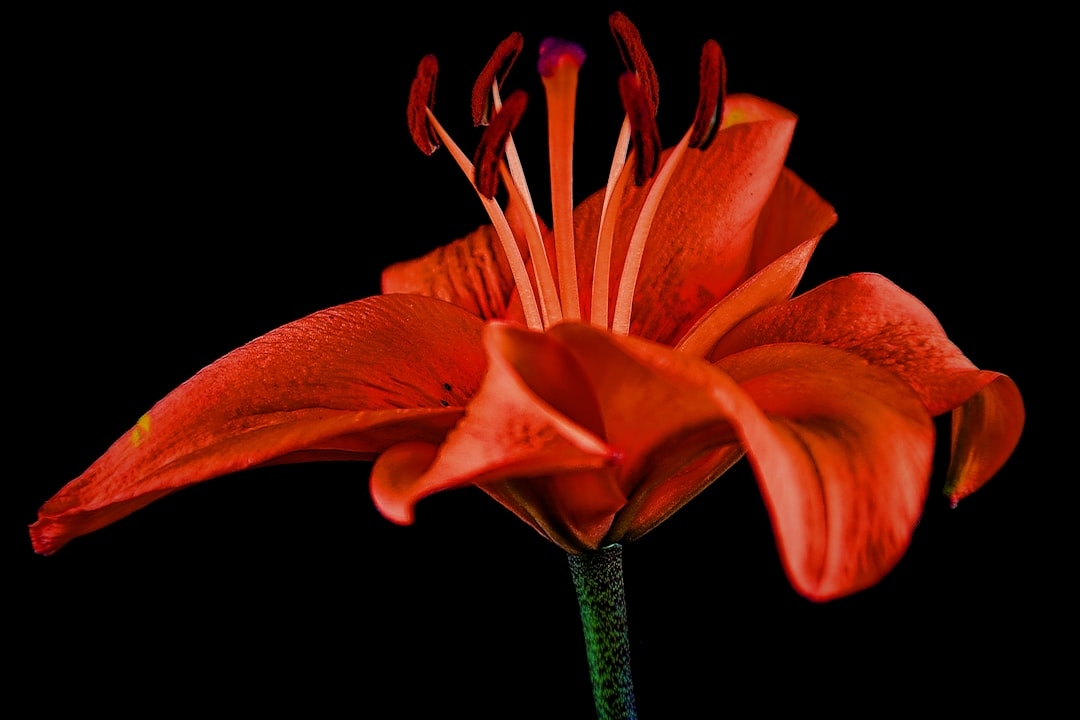
Contents:
- Why Understanding Flower Anatomy Changes How You Garden
- The Basic Structure: A Flower Anatomy Overview
- The Receptacle and Peduncle: The Foundation
- Sepals: The Flower’s First Line of Defense
- Petals: The Corolla and Its Real Purpose
- The Male Reproductive System: Stamens in Detail
- The Anther and Pollen Production
- Pollen Chemistry and Allergens
- The Female Reproductive System: Pistil and Carpel Anatomy
- Stigma, Style, and Ovary: The Three-Part System
- Ovules: The Egg’s Address
- How Pollination Actually Works: Mechanisms and Vectors
- Biotic Pollination: Animal-Mediated Transfer
- Abiotic Pollination: Wind and Water
- The Fertilization Process: From Pollen Grain to Embryo
- Pollen Germination and Tube Growth
- Double Fertilization: The Flowering Plant Exclusive
- Seed and Fruit Development After Fertilization
- Seed Structure: Packaging the Next Generation
- Fruit Types and Their Dispersal Strategies
- Complete vs. Incomplete Flowers: Understanding Floral Variation
- Perfect vs. Imperfect Flowers
- Monoecious vs. Dioecious Plants
- Self-Pollination vs. Cross-Pollination: Strategies and Trade-offs
- Self-Compatible Plants
- Self-Incompatibility Mechanisms
- Practical Guide to Supporting Flower Reproduction in Your Garden
- Hand-Pollination Techniques
- Creating a Pollinator-Friendly Garden: Plant Selection by Zone
- Budget Breakdown: Building a Pollinator Garden
- Recognizing Pollination Failure
- The Evolutionary Story Behind Flower Anatomy
- Complete Flower Anatomy Reproduction Guide: Common Mistakes to Avoid
- Frequently Asked Questions About Flower Anatomy and Reproduction
- What are the main parts of a flower and their functions?
- What is the difference between pollination and fertilization in flowers?
- Why do some plants need two plants to produce fruit?
- What is double fertilization and why does it matter?
- How can I tell if a flower has been successfully pollinated?
- Taking Your Flower Knowledge Further: Next Steps
Most people think a flower is just a pretty face — the colorful petals that make a bouquet worth buying or a garden worth photographing. That’s the misconception. The petals are actually the least important part of the flower from a biological standpoint. They’re marketing. The real action happens deeper inside, in a system so precisely engineered that it has driven the evolution of bees, butterflies, bats, and even the wind itself. This flower anatomy reproduction guide is here to set the record straight — and to give you a genuine understanding of how flowers work, from the first bud to the final seed.
Whether you’re a home gardener trying to improve your pollination rates, a student preparing for a botany exam, or simply someone who wants to appreciate that rose bouquet on a deeper level, this guide covers everything. We’ll walk through every structural component of a flower, explain exactly how reproduction happens, and give you practical knowledge you can apply in your garden starting today.
Why Understanding Flower Anatomy Changes How You Garden
There’s a reason master gardeners can coax fruit from finicky plants while beginners watch their blossoms drop empty. Knowledge of flower structure isn’t academic trivia — it directly informs decisions about pruning timing, hand-pollination technique, fertilizer choice, and even which plants to place near each other.
Take squash as a concrete example. Zucchini produces separate male and female flowers on the same plant. If you don’t know how to tell them apart, you might deadhead the wrong ones, eliminate your pollination opportunity entirely, and wonder why you’re getting zero fruit. Understanding anatomy solves that mystery in about 30 seconds.
The same principle applies across hundreds of species. Orchid growers who understand column structure hand-pollinate with surgical precision. Tomato growers who know their plants are self-fertile but benefit from vibration use an electric toothbrush to mimic bumblebee buzz pollination — and increase yields by up to 30%, according to research from the University of California Cooperative Extension.
The Basic Structure: A Flower Anatomy Overview
A complete flower — botanists call it a “perfect” flower — contains four main whorls of organs, arranged concentrically from outside to inside: sepals, petals, stamens, and carpels. Not every flower has all four parts, but this is the template everything else derives from.
The Receptacle and Peduncle: The Foundation
Before we even get to the flower itself, two structural elements hold everything in place. The peduncle is the stem that connects the flower to the rest of the plant. In cut flower arrangements, this is what you trim on a diagonal before placing stems in water — that angled cut increases surface area for water uptake by roughly 20% compared to a straight cut.
At the top of the peduncle sits the receptacle, a slightly enlarged tip where all floral organs attach. In strawberries, the receptacle becomes the fleshy part we eat. In roses, it becomes the hip. The receptacle is deceptively important — it’s the structural hub of the entire flower.
Sepals: The Flower’s First Line of Defense
Collectively called the calyx, sepals are the outermost whorl. They’re typically green and leaf-like, though in some species like tulips and lilies, they’re colored and nearly indistinguishable from petals. Their primary job is protecting the developing bud — they enclose and shield the inner flower parts before bloom.
In some plants, the calyx persists after flowering and plays a role in fruit development. The “crown” on a blueberry? That’s the dried calyx. In roses, sepals reflex (bend backward) as the flower opens, a behavior florists use to judge bloom stage.
Petals: The Corolla and Its Real Purpose
The corolla — all the petals together — is where flower anatomy gets its popular reputation. Petals are modified leaves, and their evolutionary purpose is almost entirely about attracting pollinators. Shape, color, scent, and ultraviolet patterns (invisible to humans but vivid to bees) are all pollinator-communication tools.
Petal count varies dramatically by species and is genetically controlled. A wild rose has exactly 5 petals. A cultivated hybrid tea rose may have 25–60. That multiplication happens through selective breeding that converts stamens into additional petal tissue — which is also why many heavily doubled flowers have reduced fertility. The stamens were turned into petals.
Color is produced by three main pigment families: anthocyanins (reds, purples, blues), carotenoids (yellows, oranges), and flavonols (whites and UV patterns). The blue rose famously eluded breeders for centuries because roses lack the genes to produce delphinidin, the primary blue anthocyanin — a challenge only solved through genetic engineering in 2004.
The Male Reproductive System: Stamens in Detail
This is where reproduction begins. The stamen is the male organ of the flower, and a single bloom may contain anywhere from 1 to over 1,000 of them depending on species. Each stamen has two components: the filament (a slender stalk) and the anther (the pollen-producing head).
The Anther and Pollen Production
The anther contains four microsporangia — pollen sacs arranged in two pairs. Inside each sac, cells undergo meiosis to produce microspores, which mature into pollen grains. Each pollen grain is a remarkably tough structure: its outer wall, called the exine, is composed of sporopollenin, one of the most chemically resistant biological materials known. Fossilized pollen has been recovered from sediment layers 250 million years old.
When pollen is mature, the anther dehisces — splits open along predetermined lines to release the grains. Timing is everything here. Many flowers stagger their male and female maturity to prevent self-fertilization, a strategy called dichogamy. Protandry means the stamens mature first; protogyny means the pistil matures first.
Pollen grain size varies from about 10 to 100 micrometers across species. Ragweed pollen, the notorious allergen, measures roughly 20 micrometers. Pumpkin pollen, by contrast, is enormous at around 200 micrometers — large enough to see with a basic hand lens.
Pollen Chemistry and Allergens
Not all pollen causes allergies. The culprits are almost always wind-pollinated species, which produce lightweight, smooth-coated, highly buoyant pollen in massive quantities. Insect-pollinated flowers — the showy, colorful ones — produce heavier, stickier pollen designed to cling to pollinators, not float through the air. The “worst” plants for allergy sufferers in the US include oak, birch, ryegrass, and ragweed. Roses, despite their reputation, rarely trigger airborne allergies because their pollen doesn’t travel by wind.
The Female Reproductive System: Pistil and Carpel Anatomy
The female reproductive organs sit at the center of the flower, forming the pistil. In some species the pistil is a single unit; in others it’s composed of multiple fused or separate carpels. Each carpel is essentially a modified leaf folded and sealed to enclose the ovules.
Stigma, Style, and Ovary: The Three-Part System
The pistil divides into three anatomically distinct regions, each with a specific function:
- Stigma: The receptive tip, designed to capture pollen. Stigma surfaces range from dry and papillate (like sunflowers) to wet and sticky (like petunias). The surface chemistry is species-specific — it recognizes compatible pollen and rejects foreign or self-incompatible grains.
- Style: The neck of the pistil, connecting stigma to ovary. Pollen tubes must grow down through the style to reach the ovules. In long-styled flowers like Easter lilies, this tube can reach 10–12 centimeters — a remarkable feat of directed cellular growth accomplished in hours.
- Ovary: The base of the pistil, housing the ovules. After fertilization, the ovary wall (pericarp) becomes the fruit. Botanically speaking, tomatoes, cucumbers, peppers, and apples are all fruits because they develop from the ovary wall of a fertilized flower.
Ovules: The Egg’s Address
Inside the ovary are one or more ovules, each attached to the ovary wall by a stalk called the funiculus. Each ovule contains the female gametophyte — typically an eight-celled structure with the egg cell at one end and the central cell (containing two polar nuclei) in the middle. These polar nuclei play a critical role in double fertilization, one of the most distinctive features of flowering plant reproduction.
Ovule arrangement within the ovary is called placentation, and it determines how seeds are distributed inside the fruit. Tomatoes have axile placentation — seeds attached to a central column. Poppies have parietal placentation — seeds attached to the ovary wall. This arrangement is visible when you slice open a fruit and is one way botanists classify plant families.
How Pollination Actually Works: Mechanisms and Vectors
Pollination — the transfer of pollen from anther to stigma — is not fertilization. This distinction matters enormously. Pollination is the delivery; fertilization is what happens after successful delivery. Many gardeners conflate them and misdiagnose their fruiting failures as a result.
Biotic Pollination: Animal-Mediated Transfer
Roughly 87% of all flowering plant species depend on animal pollinators, according to a 2006 study published in Proceedings of the Royal Society B. The relationships between flowers and their pollinators represent millions of years of co-evolution, and the morphological signatures are often unmistakable:
- Bee-pollinated flowers (melittophily): Often blue, yellow, or purple; may have UV nectar guides; shallow to moderately deep flowers; daytime bloomers. Examples: lavender, sunflowers, most vegetable crops.
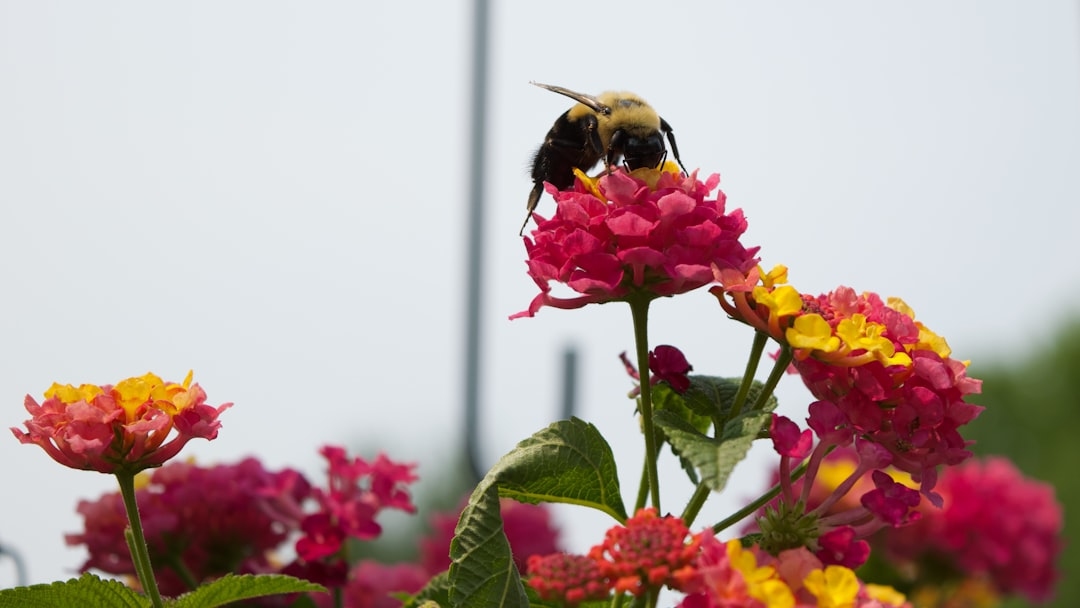
- Butterfly-pollinated flowers (psychophily): Brightly colored, often red or orange; upright landing platforms; typically scentless (butterflies navigate visually). Examples: zinnias, coneflowers, lantana.
- Moth-pollinated flowers (phalaenophily): White or pale-colored; intensely fragrant especially at night; long, tubular corollas. Examples: moonflowers, night-blooming jasmine, some orchids.
- Hummingbird-pollinated flowers (ornithophily): Red or orange; tubular; no landing platform needed; scentless (birds have poor olfaction). Examples: trumpet vine, cardinal flower, salvia.
- Bat-pollinated flowers (chiropterophily): Large, sturdy, night-blooming; musty or fruity scent; often white or pale. Common in tropical species; saguaro cactus is a US example.
Abiotic Pollination: Wind and Water
Wind-pollinated plants (anemophily) produce flowers that look nothing like the classic floral template. They’re typically small, dull-colored, unscented, and devoid of nectar — because attracting an animal is irrelevant. Instead, they produce pollen in staggering volumes. A single corn tassel releases approximately 14 to 18 million pollen grains. Grass pollen concentrations in US cities during peak season routinely exceed 1,000 grains per cubic meter of air.
Water pollination (hydrophily) is rare — only about 150 species use it — and it occurs almost exclusively in aquatic plants. Some, like seagrasses, release pollen directly into the water column. Others, like water lilies, are actually insect-pollinated despite growing in water.
The Fertilization Process: From Pollen Grain to Embryo
Once compatible pollen lands on a receptive stigma, the real biological machinery kicks into gear. What happens next is one of the most choreographed sequences in all of plant biology.
Pollen Germination and Tube Growth
Within minutes to hours of landing on a compatible stigma, the pollen grain absorbs water and germinates. A pollen tube emerges and begins growing down through the style tissue, guided by chemical signals — primarily calcium gradients and peptide attractants secreted by the ovule itself. The tube grows at a rate of roughly 1 centimeter per hour in many species, though this varies widely.
Inside the pollen tube travel three nuclei: one tube nucleus that guides growth and two sperm nuclei that will accomplish fertilization. This two-sperm structure is unique to flowering plants and is the setup for what botanists call double fertilization.
Double Fertilization: The Flowering Plant Exclusive
When the pollen tube reaches the ovule and discharges its contents, both sperm nuclei are put to work simultaneously:
- One sperm fuses with the egg cell → produces the zygote (2n), which will become the embryo.
- The second sperm fuses with the two polar nuclei of the central cell → produces the primary endosperm nucleus (3n), which will become the endosperm — the nutrient tissue that feeds the developing seed.
This double fertilization event is exclusive to angiosperms (flowering plants) and is one of the key features distinguishing them from gymnosperms like conifers, which have single fertilization only. The endosperm is why flowering plant seeds are so nutritionally dense — corn, wheat, rice, and oats are essentially all endosperm tissue, which is why they form the caloric base of human civilization.
Seed and Fruit Development After Fertilization
Fertilization triggers a cascade of developmental changes that transform the ovule into a seed and the ovary into a fruit. Unfertilized ovules typically abort. This is why “parthenocarpic” fruits like seedless grapes and bananas — which develop without fertilization — require special horticultural techniques to produce.
Seed Structure: Packaging the Next Generation
A mature seed contains three primary components:
- Embryo: The miniature plant, including the embryonic root (radicle), embryonic shoot (plumule), and one or two seed leaves (cotyledons). Monocots have one cotyledon; dicots have two. This distinction underlies one of the most fundamental classification splits in flowering plant taxonomy.
- Endosperm: Nutrient storage tissue derived from the triple fusion product. In grains, this is the starchy white interior. In castor beans, it’s rich in oils. In many orchid seeds, the endosperm is almost entirely absent — which is why orchid seeds require fungal partners to germinate successfully.
- Seed coat (testa): The protective outer layer derived from the integuments of the ovule. Thickness ranges from paper-thin (beans) to rock-hard (coconuts). Some seed coats contain germination inhibitors that must be broken down by water, fire, or animal digestion before the seed will sprout — a phenomenon called physical dormancy.
Fruit Types and Their Dispersal Strategies
Fruits are the ovary wall’s transformation after fertilization, and their diversity reflects millions of years of dispersal strategy evolution. Botanists classify fruits in detail, but practically speaking, there are several major categories relevant to gardeners:
- Fleshy fruits (berries, drupes, pomes): Designed to be eaten; seeds dispersed in animal droppings. Tomatoes, cherries, and apples fall here.
- Dry dehiscent fruits (pods, capsules): Split open at maturity to release seeds. Milkweed pods, poppies, and beans are examples.
- Dry indehiscent fruits (achenes, samaras, nuts): Don’t split open; seed and fruit wall remain fused. Sunflower “seeds” are technically achenes. Maple helicopters are samaras.
- Accessory fruits: Where the fleshy part comes from something other than the ovary wall. Strawberries develop from the receptacle; the true fruits are the tiny “seeds” (achenes) on the surface.
Complete vs. Incomplete Flowers: Understanding Floral Variation
The “perfect flower” template described above — with all four whorls present — is called a complete flower. But many species deviate significantly from this model, and recognizing those deviations is essential for anyone trying to understand why a plant does or doesn’t set fruit.
Perfect vs. Imperfect Flowers
A perfect flower contains both stamens and a pistil (both sexes in one flower). Most garden flowers fit this description: roses, tomatoes, peppers, beans, lilies, dahlias.
An imperfect flower has only one sex. Male flowers (staminate) have stamens but no functional pistil. Female flowers (pistillate) have a pistil but no functional stamens. Corn is a classic example — the tassel at the top is entirely male; the ear is entirely female.
Monoecious vs. Dioecious Plants
When a plant carries both male and female imperfect flowers on the same individual, it’s monoecious (from the Greek for “one house”). Corn, squash, cucumber, and birch trees are all monoecious. You don’t need a second plant to get fruit — but pollinators must transfer pollen from male flowers to female ones.
When male and female flowers are on separate plants entirely, the species is dioecious (“two houses”). Holly is a familiar example: you must have both a male and a female plant to get berries. Asparagus, spinach, kiwi, and most date palms are also dioecious. Gardeners often buy a dozen holly plants only to discover they’re all the same sex — a frustrating and expensive mistake that a basic understanding of flower anatomy prevents.
“One of the most common questions I get from frustrated gardeners is ‘why won’t my holly berry?’ And almost every time, the answer is they have either all males or all females. For dioecious plants, you need a 1-to-8 ratio — one male for every eight female plants at minimum,” says Dr. Renata Solís, Ph.D., certified professional horticulturist and director of education at the Mid-Atlantic Botanical Society.
Self-Pollination vs. Cross-Pollination: Strategies and Trade-offs
Plants face a fundamental reproductive trade-off: self-pollination is reliable and energetically cheap, but cross-pollination generates genetic diversity that fuels adaptation. Different species have landed at different points on this spectrum, and understanding where your garden plants sit helps you manage them effectively.
Self-Compatible Plants
Tomatoes, peppers, beans, peas, and most citrus are largely self-compatible. They can fertilize themselves with their own pollen. This is why a single tomato plant in a container on a balcony will still produce fruit — though yields improve measurably with pollinator visits or physical vibration that dislodges pollen more effectively onto the stigma.
Self-Incompatibility Mechanisms
Many plant families have evolved sophisticated molecular mechanisms to prevent self-fertilization even when pollen lands on the stigma of the same plant. Sporophytic self-incompatibility (found in cabbages, sunflowers, and many ornamentals) rejects pollen at the stigma surface. Gametophytic self-incompatibility (found in apples, cherries, pears, and many Solanaceae) stops pollen tube growth after germination.
For orchardists, this has practical dollar implications: many apple varieties require specific cross-pollinators, and planting the wrong combination produces zero fruit despite a beautiful bloom. For example, ‘Honeycrisp’ requires a diploid pollinator — ‘Gala’ or ‘Fuji’ work; ‘Winesap’ does not because it’s triploid and produces sterile pollen.
Practical Guide to Supporting Flower Reproduction in Your Garden
Armed with an understanding of flower anatomy and reproductive biology, you can make targeted interventions that actually move the needle on your garden’s productivity.
Hand-Pollination Techniques
For crops in greenhouses, under row cover, or in areas with low pollinator pressure, hand-pollination bridges the gap. The technique varies by plant:
- Squash and pumpkins: In the morning (before 10 AM when female flowers close), use a small paintbrush or remove a male flower entirely and dab its exposed anthers directly onto the stigma of an open female flower. Female flowers have a miniature fruit at their base; males don’t.
- Tomatoes: Shake flowering plants gently or use an electric toothbrush held against the base of the flower cluster for 2–3 seconds. This mimics the sonication that bumblebees perform naturally.
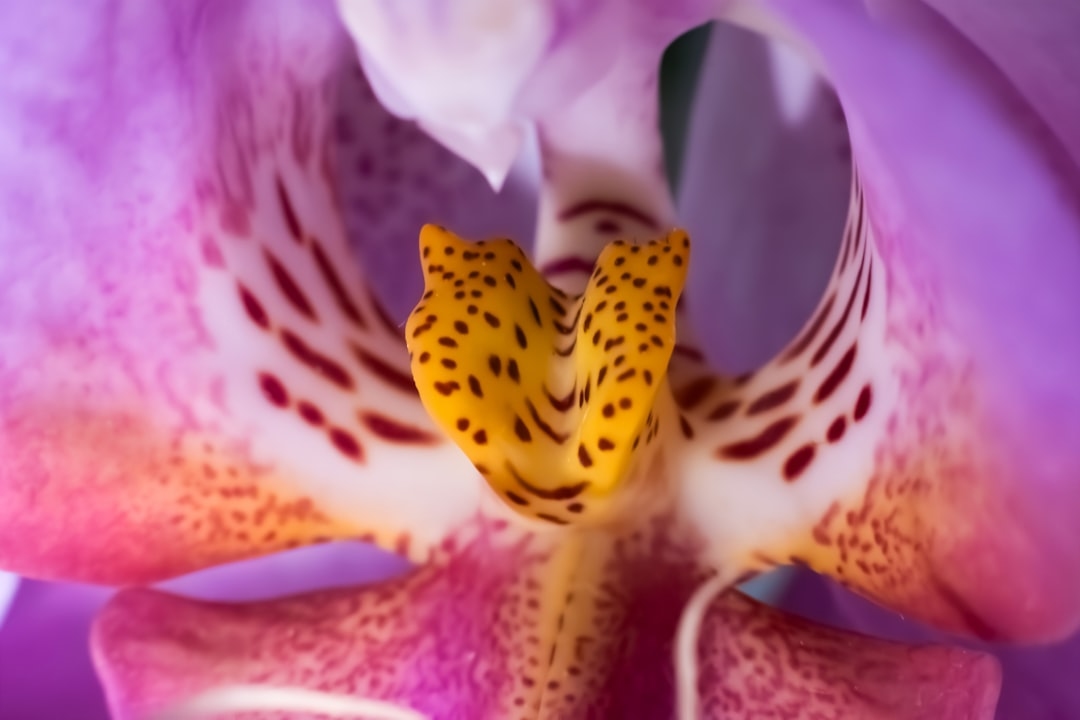
- Orchids: Use a toothpick to transfer the pollinia (pollen masses) from the anther cap of one flower to the stigmatic surface of another. Each pollination event may produce a seed capsule containing 1 to 4 million seeds.
Creating a Pollinator-Friendly Garden: Plant Selection by Zone
Supporting native pollinators is one of the highest-return investments a gardener can make. The key is providing bloom continuity — flowers from early spring through late fall — using plants native to your region.
By USDA Hardiness Zone category:
- Zones 3–5 (Upper Midwest, Northeast): Wild bergamot (Monarda fistulosa), purple coneflower (Echinacea purpurea), golden Alexanders (Zizia aurea) for spring through fall continuity.
- Zones 6–7 (Mid-Atlantic, Pacific Northwest): Wild columbine (Aquilegia canadensis), swamp milkweed (Asclepias incarnata), ironweed (Vernonia spp.).
- Zones 8–10 (Southeast, Southwest, California): Salvia coccinea, lemon beebalm (Monarda citriodora), desert marigold (Baileya multiradiata).
Budget Breakdown: Building a Pollinator Garden
Creating a dedicated 100–150 sq ft pollinator bed that supports reproduction for both your native plantings and nearby vegetable crops typically costs:
- Native perennial plugs (18–24 plants): $3–$8 per plant from native nurseries = $54–$192
- Seed packets for annuals (borage, phacelia, zinnia): $3–$6 per packet, 3–5 packets = $9–$30
- Compost amendment (2 cubic yards): $40–$80 delivered
- Mulch (2 cubic yards): $30–$60 delivered
- Total first-year investment: approximately $133–$362
Perennials return year after year, so costs drop sharply after the first season. By year three, your main expenses are annual seeds and mulch — typically under $60/year for a bed this size.
Recognizing Pollination Failure
Poor fruit set despite flowering usually signals one of four issues: absence of pollinators, incompatible varieties planted together, flowers opening outside their pollinator’s active season, or temperature extremes that damage reproductive organs. Tomato pollen becomes non-viable above 95°F or below 55°F. Squash flower longevity is only 4–6 hours in the morning. Apple blossoms are most receptive for fertilization during a 3–5 day window that can be obliterated by a late frost.
The Evolutionary Story Behind Flower Anatomy
Flowering plants — angiosperms — first appeared in the fossil record approximately 130 million years ago, during the Early Cretaceous period. Their rapid diversification into the dominant land plant group is sometimes called Darwin’s “abominable mystery,” a phrase he used in an 1879 letter to express frustration at how suddenly they seemed to appear and diversify in the fossil record.
The current best explanation is a combination of co-evolutionary escalation with pollinators and herbivores, the developmental flexibility of the carpel (which gymnosperms lack), and the metabolic advantages of endosperm in provisioning seeds. Today, there are approximately 300,000 described angiosperm species — accounting for about 90% of all plant species on Earth.
The orchid family alone contains over 28,000 species, and almost every one has a unique pollination mechanism. The bucket orchid (Coryanthes) fills a lip-shaped reservoir with liquid; bees fall in, crawl out through a narrow exit that pastes pollinia onto them. The hammer orchid (Drakaea) mimics a female thynnid wasp so precisely that male wasps attempt to mate with it, picking up and depositing pollen in the process. These are not exceptions — they’re illustrations of how extreme floral adaptation can become when reproductive success is the selection pressure.
Complete Flower Anatomy Reproduction Guide: Common Mistakes to Avoid
Even gardeners with years of experience make predictable errors rooted in anatomical misunderstanding. Here are the most consequential ones:
- Deadheading too aggressively on seed-saving crops: Removing spent flowers before the ovary matures eliminates your seed crop. If you’re saving seeds, stop deadheading at least 6–8 weeks before first frost to allow at least some flowers to complete their full reproductive cycle.
- Fertilizing fruiting plants with high-nitrogen blends during flowering: Excess nitrogen diverts energy to vegetative growth, suppresses flower initiation, and can cause flower drop even when pollination was successful. Switch to a lower-nitrogen, higher-phosphorus fertilizer (like a 5-10-5 formula) once flowering begins.
- Buying only one of a dioecious species: See the holly example above. Always research whether a plant is monoecious or dioecious before purchasing, especially for fruiting shrubs and trees.
- Watering flowers overhead during peak pollination: Overhead irrigation during open flower periods washes pollen off stigmas and dilutes the stigma surface chemistry. Water at the base of plants, or water in the evening after daily pollinator activity has ended.
- Using broad-spectrum insecticides during bloom: Neonicotinoids and pyrethroids applied during flowering don’t distinguish between pest insects and pollinators. If pest pressure is severe, use targeted interventions, spray at dusk when pollinators are inactive, or choose systemic options timed outside the bloom window.
Frequently Asked Questions About Flower Anatomy and Reproduction
What are the main parts of a flower and their functions?
A complete flower has four main structural whorls. The sepals (collectively the calyx) protect the bud before it opens. The petals (collectively the corolla) attract pollinators through color, scent, and shape. The stamens are the male organs, each consisting of a filament and anther that produces pollen. The pistil is the female organ, made up of the stigma (pollen-receptive tip), style (stalk), and ovary (which contains the ovules and develops into fruit after fertilization).
What is the difference between pollination and fertilization in flowers?
Pollination is the physical transfer of pollen from an anther to a stigma — it’s delivery. Fertilization is the subsequent fusion of sperm nuclei with the egg cell inside the ovule — it’s what actually creates a new plant embryo. Pollination must happen first, but pollination alone does not guarantee fertilization. The pollen must be compatible, germinate successfully, and grow a tube all the way to the ovule before fertilization can occur.
Why do some plants need two plants to produce fruit?
Plants that require two individuals to reproduce are called dioecious — they produce male and female flowers on separate plants. A single plant of such a species has only one sex and cannot self-fertilize. Common examples include holly, asparagus, kiwi, and many date palms. To get fruit or berries, you must have at least one male and one female plant of compatible varieties within pollinator range of each other, typically within 30–50 feet for insect-pollinated species.
What is double fertilization and why does it matter?
Double fertilization is a process unique to flowering plants in which two sperm cells each perform a separate fusion event. One sperm fertilizes the egg, producing the embryo. The second sperm fuses with two polar nuclei to produce the endosperm — nutrient-rich tissue that feeds the developing seed. This is why flowering plant seeds (like grains and legumes) are so calorie-dense, and why they’ve become the foundation of human agriculture worldwide.
How can I tell if a flower has been successfully pollinated?
The most reliable sign is ovary development: a successfully pollinated flower will show swelling at the base of the pistil within days of pollination, as the ovary wall begins developing into fruit. In many species, petals drop naturally after successful pollination — the plant is no longer advertising for pollinators. Unpollinated flowers either remain open longer (continuing to advertise) or drop entirely without any base swelling. For fruiting crops, swelling at the flower base within 3–7 days of bloom is the clearest confirmation.
Taking Your Flower Knowledge Further: Next Steps
This flower anatomy reproduction guide has given you a working knowledge of floral structure, pollination biology, fertilization mechanics, and the practical gardening applications that follow from that understanding. But knowledge in botany, like in most sciences, compounds over time. The more you observe — really observe, with a hand lens, at different times of day, across different species — the more the theory snaps into focus as lived experience.
Start with a 10x hand lens, which you can find for $8–$15, and spend one morning examining the stamens and stigma of three different flowers in your garden. Look for pollen on the stigma. Look for insects visiting. Notice what time the flowers open and when they close. That single hour of structured observation will teach you more about flower anatomy than a semester of reading — and it will permanently change how you see every bloom you encounter from that point forward.
If you want to take it further, consider getting your plants DNA-identified through a service like iNaturalist (free) or PlantNet (free), which will connect you to species-specific pollination data. For serious vegetable gardeners, the Knott’s Handbook for Vegetable Growers (around $55 on Amazon) has species-by-species pollination requirements and variety compatibility charts that pay for themselves the first season you avoid planting incompatible apple trees together.
The flowers in your garden aren’t just decoration. They’re intricate reproductive machines, running programs written over hundreds of millions of years of evolution. Once you see them that way, you stop guessing and start gardening with precision.