The Ultimate Guide to Starting and Growing a Flower Subscription Business
15 min read
Contents:
- What Is a Flower Subscription Business?
- The Business Case: Why Subscriptions Beat One-Time Sales
- How to Source Flowers for a Subscription Business
- Wholesale Markets and Flower Distributors
- Local Farms and Seasonal Sourcing
- Flower Care and Conditioning
- Pricing Your Flower Subscription: The Numbers That Actually Work
- Building Your Subscription Platform and Operations
- Technology Tools for Managing Subscribers
- Delivery Logistics and Route Planning
- Packaging That Protects and Impresses
- A Subscriber Story: How One Small Detail Changed Everything
- Marketing Your Flower Subscription Business
- Local SEO and Google Business Profile
- Instagram and Visual Social Media
- Referral Programs and Word of Mouth
- Corporate Account Sales
- Legal, Licensing, and Business Structure
- Scaling: Growing From 50 to 500 Subscribers
- Hiring and Team Building
- Adding Revenue Streams Within Your Subscriber Base
- Expanding Delivery Zones and Geographic Growth
- Common Mistakes New Subscription Florists Make
- Practical Tips for Your First 90 Days
- Frequently Asked Questions
- How much does it cost to start a flower subscription business?
- How many subscribers do I need to be profitable?
- Do I need a florist license to start a flower subscription business?
- What is the average churn rate for flower subscription businesses?
- Should I ship flowers nationally or stay local?
- Your Next Step Starts Now
Picture this: it’s 6:30 a.m. on a Tuesday. You’re standing in a cool, fragrant warehouse, surrounded by buckets of just-arrived Dutch tulips, Colombian roses, and ranunculus in shades of peach and cream. You’re building something — not just bouquets, but a ritual that lands on someone’s doorstep every week like a small act of joy. That’s the heartbeat of a flower subscription business. It’s part agriculture, part logistics, part artistry. And right now, it’s one of the most accessible creative businesses you can launch.
The floral industry in the United States generates over $13 billion annually, and subscription-based models are claiming a growing slice of that. Consumers who once bought flowers only for Valentine’s Day or Mother’s Day are now signing up for standing weekly deliveries. They want beauty built into their routine — not just on occasion.
This flower subscription business guide covers everything from sourcing and pricing to marketing and scaling. Whether you’re a working florist ready to add recurring revenue or a complete newcomer drawn to blooms, this is your starting point.
What Is a Flower Subscription Business?
A flower subscription business sells recurring floral deliveries on a schedule the customer chooses — typically weekly, bi-weekly, or monthly. Unlike a traditional retail flower shop, you’re not waiting for walk-in traffic. You build a customer base that pays in advance, giving you predictable revenue and the ability to plan your inventory with precision.
The model has three main formats:
- Direct-to-consumer (DTC) subscriptions: You deliver fresh arrangements directly to homes in your local area or ship nationwide using hard goods packaging.
- Office and corporate subscriptions: Weekly or bi-weekly flower deliveries to businesses — lobbies, conference rooms, reception desks. These accounts often pay $150–$500+ per month and have low churn rates.
- Hybrid bouquet clubs: Subscribers pick up their arrangements at a designated location, like a café, farmers market, or your studio. Lower delivery overhead, strong community feel.
Each format has its own economics. Local delivery subscriptions keep margins higher but cap your geographic reach. Nationwide shipping opens the market dramatically but adds $15–$30 in shipping costs per box. Corporate accounts are sticky and high-value but require relationship selling. Most successful subscription florists start with one model, then layer in others once they have systems in place.
The Business Case: Why Subscriptions Beat One-Time Sales
Selling flowers one arrangement at a time is exhausting. Every week, you’re starting from zero — marketing, selling, filling orders, hoping the volume is there. Subscriptions flip that dynamic entirely.
With even 50 active subscribers paying $45/month, you’re looking at $2,250 in guaranteed monthly revenue before you’ve sent a single marketing email. Scale that to 200 subscribers and you’re at $9,000/month in recurring revenue — a number most retail florists would envy.
The math behind subscriptions is compelling for another reason: customer lifetime value (LTV). A customer who buys a one-time bouquet for $60 is worth $60. A subscriber who stays for 14 months at $45/month is worth $630. Acquiring that second customer costs the same as the first. The unit economics improve dramatically as subscribers stay longer.
Churn is the counterforce. Industry data for subscription box businesses puts average monthly churn between 5% and 10%. For floral subscriptions, anecdotal data from florists on platforms like Floranext and Shopify suggest churn runs slightly lower — around 3–7% monthly — because the product is perishable, joyful, and habitual. Your job is to keep that number as low as possible through product quality and customer experience.
How to Source Flowers for a Subscription Business
Wholesale Markets and Flower Distributors
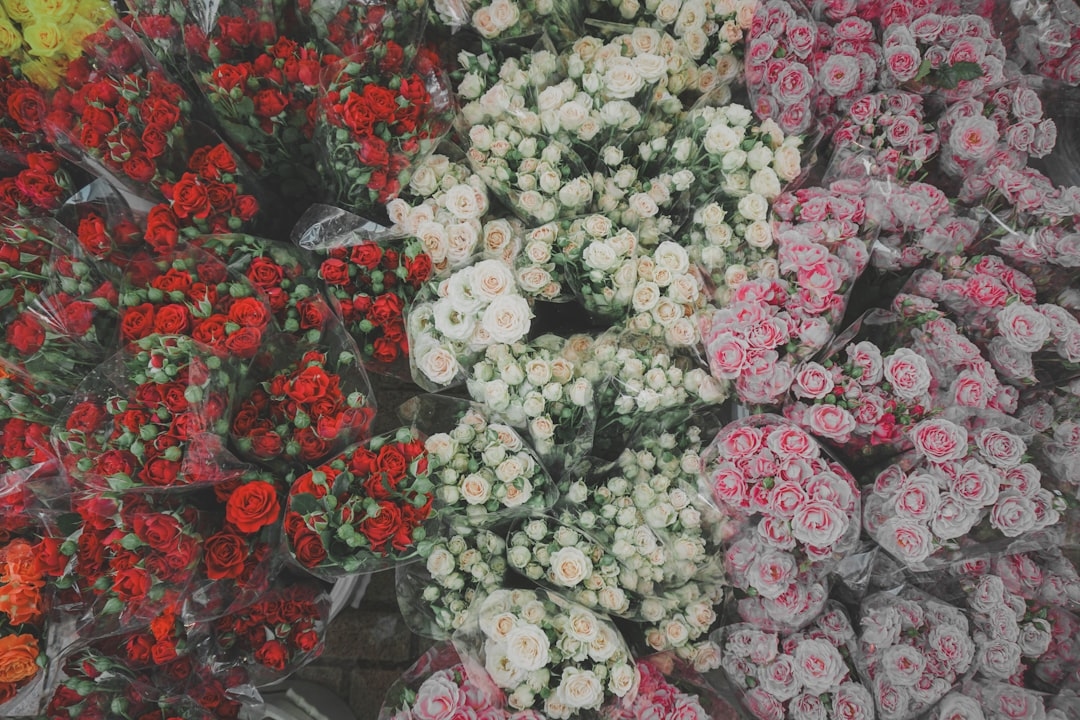
Your sourcing strategy determines your margins, your design aesthetic, and your reliability. Most small subscription florists start with a regional wholesale market or a wholesale distributor. Major cities have dedicated flower markets — the Los Angeles Flower Market, the San Francisco Flower Mart, the Chicago Flower Mart — where you can buy direct from importers at prices 60–80% below retail. If you’re not near one, wholesale distributors like FiftyFlowers Trade, Mayesh Wholesale, and Sun Valley Floral Farms ship nationwide to licensed resellers.
Plan to spend 25–35% of your subscription revenue on flowers and hard goods (vessels, wrapping, ribbons). If you’re spending more than 40%, your pricing is too low or your sourcing isn’t efficient yet.
Local Farms and Seasonal Sourcing
One of the most powerful differentiators a subscription florist can build is a relationship with local farms. Farm-direct flowers are often fresher, have a longer vase life (7–14 days vs. 4–7 days for imported stems), and carry a story your subscribers will love. The Local Bloom Network and ASCFG (Association of Specialty Cut Flower Growers) are good starting points for finding farms within driving distance.
Seasonal sourcing also keeps your design palette exciting and your costs lower during peak growing seasons. Dahlias in August, peonies in May, sunflowers in July — these regional rhythms become part of your brand voice when you communicate them to subscribers.
Flower Care and Conditioning
Fresh flowers need conditioning before they go into arrangements. This means re-cutting stems at a 45-degree angle, stripping foliage below the waterline, and hydrating in clean, treated water for a minimum of 4–6 hours before designing. Skipping this step is the number one reason flowers arrive looking limp. Invest in a commercial-grade floral cooler if your volume exceeds 50 arrangements per week — units from brands like Habco or True Refrigeration run $1,500–$4,000 used and pay for themselves in reduced waste.
Pricing Your Flower Subscription: The Numbers That Actually Work
Pricing is where many new subscription florists get into trouble. They undercharge because they’re passionate and want subscribers, then burn out because the margins don’t support the labor.
Here’s a straightforward framework. For a mid-range weekly subscription arrangement:
- Flower and hard goods cost: $12–$16
- Labor (design + pack): $8–$12 (15–20 min at $25–30/hr)
- Delivery or shipping cost: $5–$15 (local delivery) or $18–$28 (shipped box)
- Platform/payment processing fees: $2–$4
- Total cost per unit: $27–$47
To hit a 40% gross margin on a local delivery subscription, you need to price a weekly arrangement at $45–$65. Monthly plans (4 deliveries) should run $160–$220. These numbers might feel high if you’re comparing yourself to grocery store bunches, but your customer isn’t buying flowers — they’re buying a ritual, a design, and the convenience of having it appear at their door.
Offer 2–3 tiers. A classic arrangement, a deluxe arrangement with premium blooms, and a seasonal specialty tier create natural upsell paths. Subscribers who start at the classic tier often upgrade within 3–6 months.
Building Your Subscription Platform and Operations
Technology Tools for Managing Subscribers
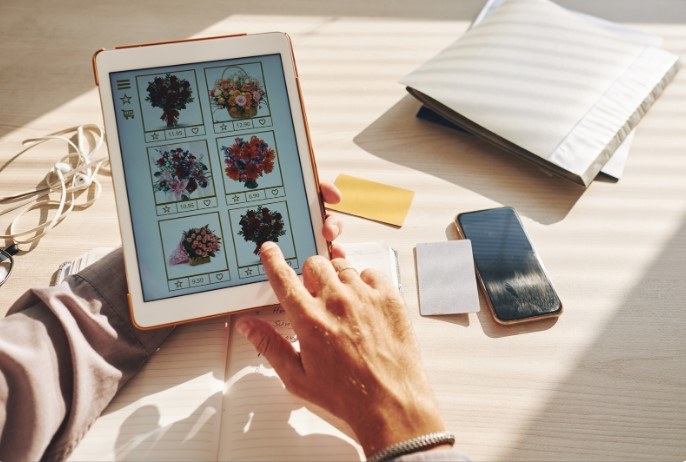
You need a way to manage recurring billing, delivery schedules, pause requests, and cancellations without doing it all manually. The most popular platforms for small flower subscription businesses are:
- Shopify + ReCharge or Bold Subscriptions: Best for businesses that want a full e-commerce storefront with subscription bolt-on. Setup costs $50–$100/month in platform fees.
- Cratejoy: Subscription-box-specific marketplace with built-in discovery traffic. Great for getting early subscribers, but Cratejoy takes a 1.25% transaction fee plus a $39/month listing fee.
- Floranext or BloomNation: Floral-industry-specific POS and website tools with subscription features designed for florists.
- Square + a delivery app: For hyperlocal operators keeping it simple, Square handles recurring payments while an app like Track-POD or Route manages deliveries.
Choose based on your volume and technical comfort. Don’t over-engineer early. A $39/month Cratejoy listing plus a spreadsheet for delivery routes is a perfectly functional starting point for your first 30 subscribers.
Delivery Logistics and Route Planning
Delivery is often the most underestimated operational challenge. Even 40 local deliveries can take 4–6 hours if your route isn’t optimized. Use a route-planning tool like Route4Me, OptimoRoute, or the free tier of Circuit to sequence stops efficiently. Most florists with under 75 weekly deliveries can complete a route in 3–4 hours with optimized routing.
Decide early whether you’ll deliver personally, hire a part-time driver, or use a same-day delivery service like Roadie or DoorDash Drive. Hiring a part-time driver at $18–$22/hour frees up your time for design and marketing — often the highest-leverage use of funds once you’re past 50 subscribers.
Packaging That Protects and Impresses
Your packaging is part of your product. For local deliveries, a kraft paper wrap with a branded sleeve, twine, and a handwritten card is enough to feel premium. For shipped boxes, you need insulated corrugated boxes, gel packs for temperature control, and water tubes or wet foam to keep stems hydrated. Brands like Nashville Wraps and Uline carry floral shipping supplies in bulk. Budget $2–$5 per shipped box in packaging materials.
A Subscriber Story: How One Small Detail Changed Everything
Sarah, a former event planner in Austin, Texas, launched her flower subscription with 12 subscribers in 2026. She charged $48/week for local delivery and was proud of her arrangements. But after two months, she had 10 subscribers. Two had quietly churned without explanation.
On a whim, she started including a small card with each delivery — not a generic “enjoy your flowers” note, but a specific line about that week’s flowers. One week it was: “These coral lisianthus were cut just 48 hours ago at a farm 40 miles south of Austin. They’ll open fully by Thursday.” Within three months of adding the cards, her churn dropped to near zero and her referral rate tripled. Subscribers started photographing the cards alongside the flowers. One subscriber told her: “I feel like I know where my flowers come from now. I’d never cancel.”
The lesson isn’t just about cards. It’s about connection. Subscribers who feel a relationship with your business — its sourcing, its personality, its story — stay far longer than those who simply receive a product. Build that relationship intentionally from day one.
Marketing Your Flower Subscription Business
Local SEO and Google Business Profile
If you’re operating locally, a fully optimized Google Business Profile is your single most valuable free marketing asset. Fill in every field — hours, service area, photos of your arrangements, and the “products” section with your subscription tiers. Ask every happy subscriber to leave a review. Businesses with 20+ Google reviews see a measurable click-through rate improvement. Post weekly photos of fresh inventory to signal to Google that your listing is active.
Instagram and Visual Social Media
Floral content performs exceptionally well on Instagram and Pinterest. A consistent posting rhythm of 4–5 times per week — mixing in-progress design shots, finished arrangements, delivery moments, and farm sourcing content — builds a following that converts. You don’t need professional photography. A clean window light setup with a neutral background and a decent iPhone camera is enough. Focus on the story behind the flowers, not just the finished product.
Reels showing time-lapse arrangement creation consistently outperform static posts in reach. Aim for one Reel per week as a growth driver. Include your city name and “flower subscription” in your captions naturally — this helps local discoverability.
Referral Programs and Word of Mouth
The most cost-effective subscriber acquisition channel for local flower subscriptions is referral. A simple program — “Give a friend $15 off their first month, get $15 credit on yours” — can drive a significant share of new sign-ups at zero acquisition cost. Referral programs work especially well with flower subscriptions because the product is inherently visible and gift-like. When a subscriber’s coworker asks “Where did you get those?” that’s a referral moment waiting to happen.
Corporate Account Sales
A single corporate account can be worth as much as 10–20 individual home subscribers. Target businesses with a physical presence and a client-facing aesthetic: law firms, real estate offices, spas, boutique hotels, and dental or medical offices. A cold outreach email with a photo of your work and an offer of a free trial week converts surprisingly well. Follow up in person if you can — bring a small sample arrangement. Once a corporate client signs, churn is extremely low; the average corporate floral account stays for 2–4 years.
Legal, Licensing, and Business Structure
Before you take your first paid subscriber, get your business structure in order. Most small flower subscription operators start as a sole proprietor with a DBA (Doing Business As) registration, which costs $10–$50 depending on your state. As soon as revenue grows and you’re hiring help, transition to an LLC for liability protection — formation typically runs $50–$500 through your state’s Secretary of State office.
You’ll also need:
- A business bank account separate from personal finances — required for clean bookkeeping and tax filing.
- A seller’s permit or resale certificate to purchase flowers wholesale without paying sales tax (since you’ll collect tax on the final sale). Requirements vary by state.
- General liability insurance: $500–$1,200/year for a small floral business, covers delivery accidents, property damage, and similar risks.
- A food handler’s permit: Some states require this if you’re delivering perishable products — check with your county health department.
Keep meticulous records from day one. Track every flower purchase, every delivery cost, every subscription payment. A clean set of books makes tax season manageable and gives you the data to make smart pricing decisions.
Scaling: Growing From 50 to 500 Subscribers
Hiring and Team Building
Solo operators typically hit a ceiling around 60–80 weekly subscribers — the point at which design, delivery, and customer service become physically impossible to manage alone. The first hire is usually a part-time design assistant at 10–15 hours/week. The second is typically a delivery driver. At 150+ subscribers, you may need a part-time customer service person to handle pause requests, address changes, and cancellations.
Hire before you need to. Trying to train someone during your busiest week is a recipe for quality drops and subscriber frustration. Budget 20–25% of revenue for labor costs as you scale.
Adding Revenue Streams Within Your Subscriber Base
Your subscriber list is your most valuable marketing asset. These are people who already trust you and love flowers. Layer in additional revenue by offering:
- Seasonal add-ons: Valentine’s Day upgrades, Mother’s Day specialty bundles, holiday wreaths — offered exclusively to subscribers first at a slight discount.
- Event florals: Subscribers planning weddings or parties often prefer to work with their trusted subscription florist. This can be extremely high-margin work.
- Gift subscriptions: Three-month and six-month gift subscriptions marketed heavily in November and December. These attract new subscribers who often convert to recurring plans after the gift period ends.
- Floral workshops: In-person or virtual arrangement classes at $75–$150/person. Low material cost, high perceived value, strong community-building effect.
Expanding Delivery Zones and Geographic Growth
Once your core delivery zone is profitable and well-systemized, expanding to adjacent zip codes is relatively low-risk. Add 1–2 new zones at a time, test demand with a waitlist or pre-launch landing page, and only commit to the zone if you can fill a minimum viable route (typically 10–15 deliveries to justify the time and fuel cost).
Some florists use zone expansion as a marketing event — “We’re coming to [neighborhood]!” announcements on Instagram and Nextdoor generate sign-ups before the first delivery truck rolls.
Common Mistakes New Subscription Florists Make
After talking to dozens of florists who’ve launched subscription businesses, certain patterns emerge. Here are the most common stumbling blocks:
- Underpricing from fear: Charging $25/week for arrangements that cost $22 to produce isn’t a business — it’s a hobby with extra steps. Price for sustainability from day one.
- Skipping the pause feature: Life happens. Subscribers who travel, renovate, or go through seasonal budget crunches need a pause option. Without it, they cancel. With it, they come back. Build a pause feature into your tech stack early.
- Ignoring the off-season: Demand for flowers dips in January and February (outside of Valentine’s Day). Plan for this with cash reserves, lower inventory commitments, and a targeted “new year, fresh flowers” marketing push in late December.
- No quality control process: As you scale, arrangements made by helpers will vary in quality. Develop a simple quality checklist — stem count, water cleanliness, foliage stripping, card inclusion — and review a sample of every batch before delivery.
- Over-relying on one sourcing channel: A single wholesale supplier going out of stock or raising prices can devastate a week’s deliveries. Maintain relationships with at least two sourcing options for your core flowers.
Practical Tips for Your First 90 Days
- Start with a founding member offer. Launch with 20–30 “founding subscriber” spots at a slight discount (e.g., $38/week instead of $45) in exchange for a 3-month commitment. This generates early cash, real feedback, and social proof fast.
- Design a tight core palette. Don’t try to offer every flower to every person. Build a signature aesthetic around 4–6 hero flowers you can source reliably. Subscribers will come for your particular point of view.
- Photograph everything. Every arrangement, every delivery, every farm visit. You’re building a content bank that will fuel months of social media posts.
- Survey after month one. Send a simple 3-question survey to all subscribers at the 30-day mark: What do you love? What could be better? Would you refer a friend? The answers will surprise you and guide your next 60 days.
- Set up automated emails. A welcome sequence, a renewal reminder, and a win-back email for cancelled subscribers should all be automated from week one. Even basic Mailchimp automations will save hours and recover churned subscribers.
Frequently Asked Questions
How much does it cost to start a flower subscription business?
Most small-scale flower subscription businesses launch with $2,000–$5,000 in startup capital. This typically covers initial wholesale flower inventory ($300–$600), a commercial cooler or used refrigerator ($200–$800), packaging supplies ($200–$400), a website and subscription platform ($100–$300 for the first few months), and an LLC registration plus business insurance ($600–$1,200 for year one). Operators who start with a CSA-style pickup model rather than delivery can launch for under $1,500.
How many subscribers do I need to be profitable?
With a well-priced local delivery subscription at $50/week and properly managed costs, most solo operators break even around 30–40 subscribers and become meaningfully profitable at 60–80. At 100 subscribers generating $5,000/week in revenue, a single-operator business with one part-time driver can generate $3,000–$4,000/month in net income after all costs.
Do I need a florist license to start a flower subscription business?
In the United States, no federal license is required to sell or deliver flowers. Most states do not require a florist-specific license, though some states — including Louisiana and North Carolina — have florist licensing boards. You will need a general business license, a seller’s permit for wholesale purchasing, and potentially a home occupation permit if operating from a residential address. Always verify requirements with your specific state and county.
What is the average churn rate for flower subscription businesses?
Average monthly churn for flower subscription businesses ranges from 3% to 7%, lower than the 5–10% typical for subscription boxes in general. Churn spikes after the first month (as new subscribers test the service) and again in late fall as budgets tighten. Offering a pause option, maintaining consistent quality, and building personal connection with subscribers are the most effective churn-reduction strategies.
Should I ship flowers nationally or stay local?
Start local. Local delivery allows higher margins (no $18–$28 shipping cost per box), better freshness (flowers arrive within hours of conditioning), and deeper customer relationships. Once you have a profitable local operation with solid systems, you can explore national shipping as a growth layer. National shipping requires specific packaging investment, carrier relationships, and a different product design that can survive 1–2 days in transit. It’s a viable model — just a different and more complex one than local delivery.
Your Next Step Starts Now
The flower subscription business model is genuinely one of the most accessible creative businesses available today. Low barrier to entry. Recurring revenue. A product people love. An infinite design canvas that changes with every season.
But the businesses that thrive aren’t built on beautiful arrangements alone. They’re built on reliable sourcing, smart pricing, real customer relationships, and the operational discipline to deliver consistently — week after week, rain or shine.
You now have the full framework. The sourcing strategy, the pricing math, the platform options, the marketing playbook, and the scaling path are all mapped out. What’s left is the part only you can do: pick your launch date, set your founding member pricing, and tell the first 10 people in your life what you’re building.
The best flower subscription businesses in your city? Most of them don’t exist yet. That’s your opening.