How to Build and Maintain a Pollinator Garden That Actually Works
16 min read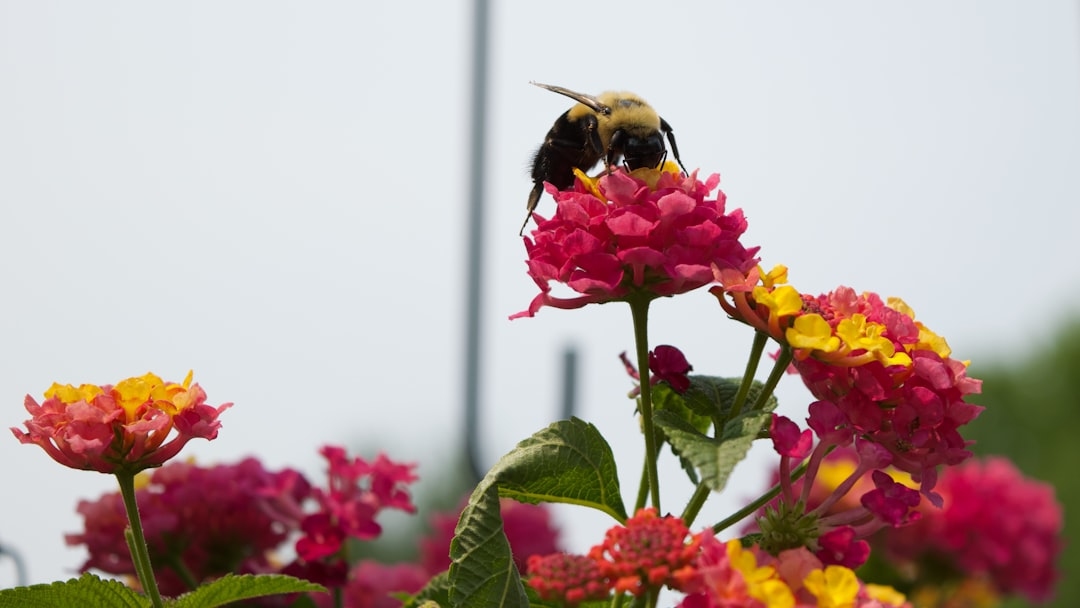
Contents:
- Why Pollinators Are Disappearing—and Why Your Garden Matters
- Planning Your Pollinator Garden: Site Selection and Layout
- Finding the Right Location
- Sizing and Layout Principles
- Native Plants for a Pollinator Garden: Selections by Region and Hardiness Zone
- Northeast and Mid-Atlantic (USDA Zones 5–7)
- Southeast (Zones 7–9)
- Midwest (Zones 4–6)
- West and Pacific Northwest (Zones 7–10)
- Designing for Bloom Succession: Continuous Forage from March Through November
- Early Spring (March–April): The Critical Gap
- Peak Summer (May–August): Diversity Over Volume
- Fall (September–November): The Second Most Critical Period
- Building Habitat: Water, Shelter, and Nesting Sites
- Water Sources
- Nesting Habitat for Ground-Nesting Bees
- Stem Nesters and Bee Houses
- Soil Health and Organic Practices for Pollinator Gardens
- Testing and Amending Soil Before Planting
- Eliminating Pesticides
- Maintaining Your Pollinator Garden Through the Seasons
- Spring: Patience Over Eagerness
- Summer: Minimal Intervention
- Fall: Resist the Urge to Tidy
- Winter: Planning and Observation
- Practical Tips for Getting Started on Any Budget
- Starting from Seed vs. Purchasing Transplants
- Sourcing Local Ecotypes
- Working With What You Have
- Reducing Lawn Incrementally
- Frequently Asked Questions About Pollinator Gardens
- How long does it take for a pollinator garden to attract bees and butterflies?
- Do I need to include milkweed, and which species should I plant?
- Is it okay to use wood chip mulch in a pollinator garden?
- Can I have a pollinator garden if I have children or pets who use the yard?
- What’s the difference between a pollinator garden and a wildflower meadow?
- Your Complete Pollinator Garden Guide: What Comes Next
You’ve probably noticed it—fewer bees humming around your vegetable beds, fewer butterflies drifting through the backyard, fewer fireflies in summer dusk. It’s not your imagination. North America has lost over 3 billion birds since 1970, monarch butterfly populations have declined by more than 80% in some regions, and four native bumblebee species have nearly vanished. If you’ve felt the pull to do something—anything—about it, a pollinator garden is one of the most direct, measurable actions a home gardener can take. This pollinator garden guide will walk you through every stage, from site selection to seasonal care, so the effort you invest actually translates into results.
Choose a sunny spot (6+ hours of direct light daily), prepare the soil without heavy tilling, and plant at least 3 native flowering species that bloom in succession from early spring through late fall. Add a shallow water source, leave some bare soil for ground-nesting bees, and eliminate pesticide use. For a standard 100 sq ft bed, budget $150–$350 for plants. Maintenance is modest once plants are established—primarily weeding in year one and cutting back in late winter rather than fall.
Why Pollinators Are Disappearing—and Why Your Garden Matters
The decline isn’t mysterious. Habitat loss is the primary driver, followed closely by pesticide exposure, monoculture farming, and climate disruption. The U.S. has lost roughly 150 million acres of habitat for monarch butterflies and other pollinators since the 1990s, largely due to development and the elimination of milkweed from agricultural edges. Honeybee colonies in the U.S. have dropped from 6 million managed hives in 1947 to around 2.7 million today.
A single backyard garden won’t reverse those numbers alone. But collectively, home gardens represent a genuinely significant resource. The National Wildlife Federation estimates there are approximately 40 million acres of lawn in the United States. Converting even a fraction of that turf into flowering habitat creates wildlife corridors—connected pathways that allow insects and birds to move, feed, and reproduce across a fragmented landscape.
Native plants are the cornerstone of this effort. They’ve co-evolved with local pollinators over thousands of years, producing exactly the right nectar chemistry, bloom timing, and pollen protein content that native bees require. A non-native ornamental might look attractive and produce nectar, but it often can’t support the specialist bees and butterflies that depend on specific plant families. Research from the University of Delaware found that native plantings support 4 times more bee species than non-native ornamental gardens of comparable size.
The good news: effective pollinator habitat can fit in a 50 square foot raised bed, a suburban front yard, or a sprawling rural property. Scale matters less than species diversity and the elimination of chemical inputs.
Planning Your Pollinator Garden: Site Selection and Layout
Finding the Right Location
Sunlight is non-negotiable. Most flowering plants that support pollinators—coneflowers, native asters, goldenrod, milkweed, black-eyed Susans—require a minimum of 6 hours of direct sun daily. Eight hours is better. Shade-tolerant alternatives exist (wild ginger, native columbine, Virginia bluebells), but a sun-drenched site gives you the widest plant palette and the highest visitor traffic.
Proximity to existing natural areas improves outcomes. A garden edged by a hedgerow, near a water feature, or adjacent to a wooded border will see more initial colonization than an isolated patch in a lawn surrounded by pavement. That said, don’t let imperfect conditions stop you from starting. Pollinators are remarkably good at finding new food sources.
Wind exposure matters more than most beginners expect. Bumblebees and smaller native bees have difficulty foraging in sustained winds above 12–15 mph. A garden backed by a fence, hedge, or building on its north or northwest side creates a calmer microclimate and also reflects warmth, extending the usable foraging window on cool mornings.
Sizing and Layout Principles
For a garden that makes a measurable difference to local pollinator populations, aim for a minimum of 100 contiguous square feet. Smaller plantings still have value, but research from the Xerces Society suggests that patches under 50 square feet may not be large enough to sustain resident populations of ground-nesting bees. If space is limited, a series of small beds connected by unmowed lawn or low groundcovers functions better than an isolated container garden.
Plant in drifts rather than single specimens. A cluster of 5–7 plants of the same species creates a more efficient foraging target than scattered individuals. Bees are constant foragers; they learn the location and reward of specific flowers and return repeatedly. Dense groupings reduce their travel time and increase the caloric return on each visit.
Leave edges uneven and slightly naturalistic. Formal geometric borders can make maintenance easier but reduce the structural diversity that ground-nesting bees and overwintering insects need. A ragged edge with some bare, compacted soil on the sunny side is a feature, not a flaw.
Native Plants for a Pollinator Garden: Selections by Region and Hardiness Zone
Northeast and Mid-Atlantic (USDA Zones 5–7)
Purple coneflower (Echinacea purpurea) is a workhorse for this region, blooming July through September and supporting over 50 bee species. Pair it with wild bergamot (Monarda fistulosa), which is particularly effective for specialist bees including long-horned bees in the genus Melissodes. Add New England aster (Symphyotrichum novae-angliae) for critical fall forage—it’s one of the last reliable nectar sources before first frost. For early spring, golden Alexanders (Zizia aurea) fills the gap before summer bloomers take over.
Southeast (Zones 7–9)
The Southeast’s long growing season is an opportunity. Passionflower vine (Passiflora incarnata) is the exclusive larval host plant for Gulf fritillary and zebra longwing butterflies—plant it where you have vertical support. Native azaleas (Rhododendron canescens and relatives) provide exceptional early spring nectar. Tropical sage (Salvia coccinea) self-seeds prolifically and supports ruby-throated hummingbirds and native bees simultaneously.
Midwest (Zones 4–6)
Tallgrass prairie species are the foundation here. Prairie dropseed (Sporobolus heterolepis) as a structural grass, combined with prairie blazing star (Liatris pycnostachya), rattlesnake master (Eryngium yuccifolium), and cup plant (Silphium perfoliatum)—which captures rainwater in its leaf axils, providing drinking water for insects and small birds. This combination creates a self-sustaining community that needs minimal intervention after establishment.
West and Pacific Northwest (Zones 7–10)
In drier climates, water efficiency and drought tolerance become primary criteria. Clarkia species are California natives that provide exceptional pollen for native bees. Douglas aster (Symphyotrichum subspicatum) thrives in the Pacific Northwest and blooms through November. Phacelia tanacetifolia, while technically an annual, is one of the highest-rated bee forage plants in agricultural research and germinates reliably from direct sowing.
“The single most common mistake I see is people buying the most colorful plants at the garden center without checking provenance. A ‘straight species’ native is almost always more valuable to pollinators than a cultivar bred for double flowers or unusual colors—those traits often come at the cost of accessible pollen and reduced nectar production.”
— Dr. Maren Calloway, Ph.D., Horticulturist and Pollinator Habitat Specialist, certified through the American Society of Horticultural Science
Designing for Bloom Succession: Continuous Forage from March Through November
A pollinator garden that blooms only in June and July creates a feast-famine cycle that’s hard on resident bee populations. The goal is continuous forage across the entire active season—early spring through hard frost. This requires deliberate planning, not just planting whatever’s attractive.
Early Spring (March–April): The Critical Gap
Queen bumblebees emerge from hibernation before most gardens have a single bloom open. They’re working on low fat reserves and need immediate caloric support. Native willows (Salix spp.), which most gardeners overlook entirely, produce catkins in late February or March and are among the most valuable early-season pollen sources in temperate North America. If a full-size tree isn’t feasible, pussy willow shrubs (Salix discolor) reach 6–8 feet and can anchor a garden bed. Bloodroot (Sanguinaria canadensis), Virginia bluebells (Mertensia virginica), and redbud trees (Cercis canadensis) fill the spring gap in eastern gardens.
Peak Summer (May–August): Diversity Over Volume
Summer is when most gardeners naturally gravitate toward, and there’s no shortage of excellent choices. The strategic principle here is diversity of flower shape, not just species. Tubular flowers (salvias, monarda, penstemon) serve long-tongued bumblebees and hummingbirds. Flat, open composite flowers (coneflowers, rudbeckia, asters) serve short-tongued bees and beetles. Umbel-shaped flowers (rattlesnake master, golden Alexanders, native carrots) support parasitic wasps and small native bees that are often overlooked. Aim for at least one representative of each form in summer bloom.
Fall (September–November): The Second Most Critical Period
Fall forage is disproportionately important because pollinators are storing fat for winter or laying final eggs in nest cells that will overwinter. Native asters and goldenrods are the foundation of fall nutrition in eastern and midwestern gardens—they support over 100 specialist bee species between them. The concern that goldenrod causes hay fever is a persistent myth; goldenrod pollen is heavy and insect-transported, not wind-blown. Ragweed, which blooms simultaneously, is the actual culprit.
A garden that covers all three seasonal windows should include a minimum of 8–10 species to avoid accidental gaps. Map your plantings on a calendar before purchasing. If you discover that your selections produce a three-week gap in late August, fill it before planting day rather than hoping for the best.
Building Habitat: Water, Shelter, and Nesting Sites
Water Sources
Bees need water daily for thermoregulation and to dilute honey stores in hot weather. They cannot use a standard birdbath effectively—the water is too deep, and bees frequently drown. A shallow dish (1–2 inches deep) filled with pebbles or marbles, kept topped up, serves the purpose well. Place it in a sunny location within 200 feet of the garden. Change the water every 2–3 days to prevent mosquito breeding.
Mud is an often-overlooked resource. Mason bees (Osmia spp.) use wet clay soil to seal their nest cells. A small patch of consistently moist, clay-heavy soil near the garden can dramatically increase mason bee nesting activity.
Nesting Habitat for Ground-Nesting Bees
Approximately 70% of North American native bee species nest in the ground—not in hives or hollow stems. They require bare or sparsely vegetated, well-drained, sunny soil with a firm texture. Loose mulch and dense groundcover plantings actually exclude them. Leaving a 3–4 square foot patch of exposed soil on the south-facing edge of your garden provides this resource. Avoid disturbing these areas once bees have begun nesting, typically from April onward.
Stem Nesters and Bee Houses
The remaining 30% of native bees nest in hollow or pithy stems and pre-existing cavities. Rather than purchasing decorative “bee hotels,” the more effective approach is leaving the dead stems of plants like Joe Pye weed, goldenrod, and cup plant standing through winter. These stems are already inhabited by native bees and beneficial insects. Cut them in late winter (late February or early March), but leave 12–18 inches of stem stubble rather than cutting to the ground.
If you do install a wooden bee house, use tubes with an internal diameter of 4–8mm for mason bees and 6–9mm for leafcutter bees, drilled to a depth of 5–6 inches. Mount it facing southeast at 3–5 feet above ground. Replace the tubes or blocks annually to prevent mite and pathogen buildup.
Soil Health and Organic Practices for Pollinator Gardens
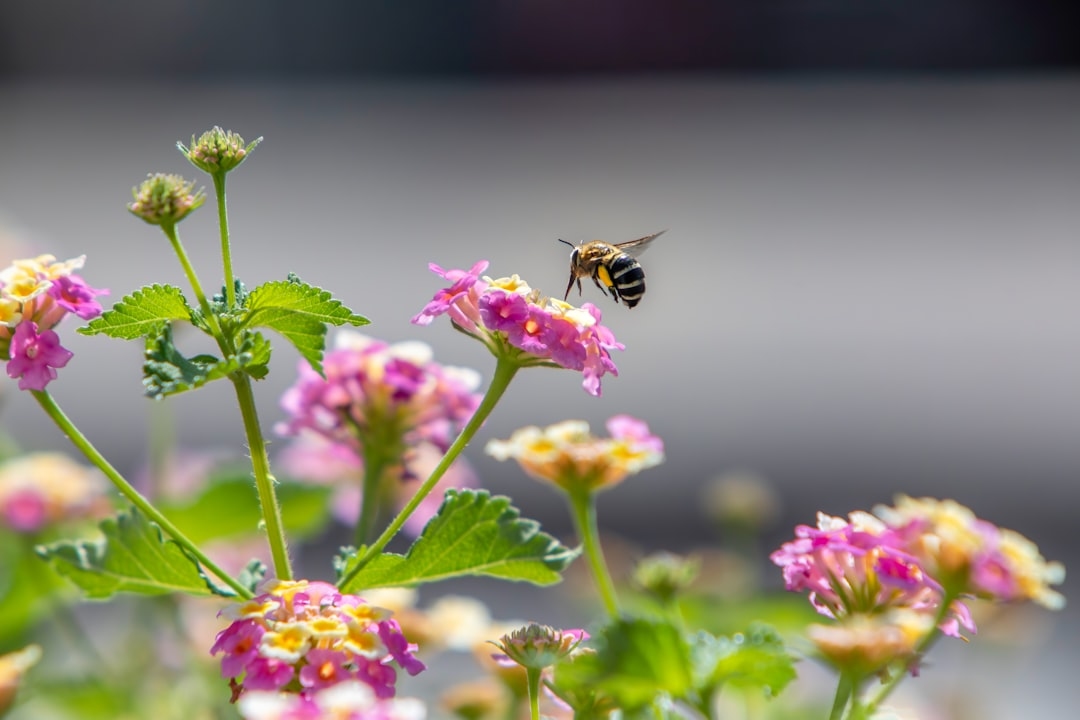
Most native plants evolved in lean, somewhat impoverished soils. Over-amending with fertilizer or rich compost encourages excessive foliage at the expense of flowers and can make plants structurally unstable. The priority is not fertility—it’s structure, drainage, and biological activity.
Testing and Amending Soil Before Planting
A basic soil test from your county cooperative extension costs $15–$25 and tells you pH, organic matter content, and major nutrient levels. Most native prairie and meadow plants prefer a pH of 6.0–7.0. Strongly acidic soils (below 5.5) benefit from lime application. Compacted clay soils benefit from surface-applied compost worked in lightly—but heavy rototilling disrupts soil structure and destroys the fungal networks that native plant roots depend on.
The no-till or minimal-till approach is not just philosophically satisfying—it’s practically superior for pollinator gardens. Tilling buries weed seeds to deeper layers where they remain viable for years, disrupts ground-nesting bee cells, and collapses the mycorrhizal networks that help native plants establish efficiently. For new beds, sheet mulching (also called lasagna gardening) with cardboard and 4–6 inches of wood chip mulch suppresses weeds without tilling and improves over time as it decomposes.
Eliminating Pesticides
This point is not negotiable for a genuine pollinator garden. Systemic neonicotinoids—imidacloprid, clothianidin, thiamethoxam—are the primary chemical concern. They’re absorbed into every part of a treated plant including nectar and pollen and persist in soil for up to 3 years. Many plants sold at large garden centers are pre-treated with systemic pesticides; always ask or check the label before purchasing. The Xerces Society maintains an updated list of retailers that have committed to selling untreated plants.
Even organic-approved pesticides like pyrethrin, spinosad, and copper fungicides kill beneficial insects when applied carelessly. If you must intervene on a pest problem, apply in the evening when pollinators are not foraging, target the application precisely, and reconsider whether intervention is actually necessary before acting.
Maintaining Your Pollinator Garden Through the Seasons
Spring: Patience Over Eagerness
Resist the impulse to clean up in early spring until daytime temperatures consistently reach 50°F. Many native bees overwinter as adults inside hollow stems or under leaf litter and are not yet mobile. Raking, cutting, and cleaning before they’ve emerged is lethal. The practical rule: wait until you see native bees foraging consistently before beginning spring cleanup.
Spring is the time for any division or transplanting, targeted weeding before perennials fill in, and top-dressing bare soil areas with a thin layer of compost (no more than ½ inch—enough to feed soil biology without smothering low-growing plants).
Summer: Minimal Intervention
Deadheading extends bloom on some species (coneflowers, black-eyed Susans) but reduces seed production for birds and self-seeding for garden expansion. A compromise: deadhead the first flush of bloom to extend flowering, then let the later seed heads stand. Water new plantings deeply once per week in the absence of rain during the first growing season—native plants are drought-tolerant once established, but “establishment” takes 12–18 months for most perennials. After that, supplemental irrigation is rarely needed in most US climates except during extended drought.
Weed pressure is highest in summer. Hand-pull or cut weeds before they set seed. Avoid synthetic herbicides; many have soil persistence and can move laterally into planting areas. The best long-term weed management strategy is plant density—a garden that’s fully occupied by desirable plants leaves little room for weeds to establish.
Fall: Resist the Urge to Tidy
Leave it standing. This instruction runs counter to decades of gardening convention, but it is the single most impactful thing you can do for resident insect populations. Hollow stems, seed heads, and leaf litter are not a sign of neglect—they’re functional habitat. The only exception: remove invasive plant species before they set and disperse seed.
Winter: Planning and Observation
Winter is for reviewing what worked. Keep a garden journal noting which plants attracted the most activity, any gaps in bloom succession, and which pest or disease issues appeared. Order seeds for annual additions in February. Attend to any structural changes—moving or dividing overcrowded clumps, adding new nesting habitat—in late winter before growth resumes.
Practical Tips for Getting Started on Any Budget
Starting from Seed vs. Purchasing Transplants
Transplants are faster and more reliable, but the cost adds up quickly. A 100 square foot bed planted exclusively with 4-inch pot transplants at $5–$8 each, spaced at 18 inches, requires roughly 50 plants—a $250–$400 investment. Starting from seed extends the timeline by one season but reduces that cost by 70–85%. Many native plants (black-eyed Susans, coneflowers, native asters, milkweed) are straightforward to grow from seed with a cold stratification period of 4–8 weeks in a moist paper towel in the refrigerator.
A hybrid approach works well for most gardeners: buy transplants of 3–4 structural species that anchor the design, and direct-seed the remainder. Native plant sales hosted by local botanical gardens, native plant societies, and conservation districts (searchable through the North American Native Plant Society directory) often sell quality local-genotype plants at $2–$4 per pot, well below retail garden center pricing.
Sourcing Local Ecotypes
Local ecotype means the plant’s seed source comes from your region rather than a different part of the species’ range. A purple coneflower grown from Midwest seed performs better in a Midwest garden than one grown from Appalachian seed because it’s adapted to local rainfall patterns, frost timing, and soil chemistry. When purchasing, ask whether the nursery sources locally or can identify the seed provenance. This isn’t always possible, but it matters for long-term garden health.
Working With What You Have
If you already have an established garden with some non-native ornamentals, you don’t need to remove everything and start over. Identify your most invasive or least productive plants and replace them in phases over 2–3 years. Add one or two native species per season. Even a garden that’s 40% native plantings is substantially more valuable to pollinators than a conventionally planted bed, and the transition is less financially and physically demanding when done gradually.
Reducing Lawn Incrementally
For homeowners working within HOA guidelines or neighborhood norms, incremental lawn reduction is often more practical and politically navigable than a dramatic full conversion. Start with a 4 x 8 foot bed adjacent to an existing foundation planting. Expand it each year. Frame the garden with a defined border—mowed edging, stone, or low fencing—that signals intentionality to neighbors and reviewers. Clean edges communicate “designed garden” rather than “neglected lawn” and can make the difference in HOA approval.
Frequently Asked Questions About Pollinator Gardens
How long does it take for a pollinator garden to attract bees and butterflies?
Most gardens begin attracting foraging bees within days of first bloom. Resident populations—bees that actually nest in or near the garden—typically establish over 1–2 growing seasons. Butterflies and hummingbirds may arrive quickly if they’re already present in the regional landscape; if local populations are low, expect 2–3 years as habitat quality improves and word spreads through natural movement patterns.
Do I need to include milkweed, and which species should I plant?
Milkweed (Asclepias spp.) is essential if monarch butterfly support is a goal—it’s the sole larval host plant for monarchs. Common milkweed (Asclepias syriaca) is native to the eastern US and highly effective. Butterfly weed (Asclepias tuberosa) is native across most of the country and more compact for small gardens. Avoid tropical milkweed (Asclepias curassavica) in the South: it doesn’t die back in mild winters, which disrupts monarch migration patterns. If you’re in USDA Zones 8–10, plant it as an annual or cut it back to the ground each December.
Is it okay to use wood chip mulch in a pollinator garden?
Wood chip mulch is excellent for suppressing weeds and retaining moisture in the planting beds themselves, but leave designated areas mulch-free for ground-nesting bees. Apply mulch at 2–3 inches depth rather than the excessive 4–6 inches sometimes recommended, which can prevent perennial plants from re-emerging in spring and creates anaerobic conditions that harm soil biology.
Can I have a pollinator garden if I have children or pets who use the yard?
Yes. Native bees are substantially less aggressive than European honeybees because most species are solitary and have no colony to defend. Ground-nesting bees rarely sting and do so only when handled. Bumblebees will sting if their nest is disturbed, but are otherwise docile foragers. The practical solution is to site the most densely planted pollinator areas in lower-traffic sections of the yard, and to teach children that bees at flowers are feeding, not interested in humans. Severe bee or wasp allergies require more careful planning—consult with an allergist about appropriate precautions.
What’s the difference between a pollinator garden and a wildflower meadow?
Scale and management, primarily. A pollinator garden is typically a defined, managed planting bed with specific plant selections arranged for aesthetic and ecological effect. A wildflower meadow is a larger, more naturalistic planting—often ½ acre or more—that’s managed by mowing once or twice annually rather than individual plant care. Wildflower meadows can include grasses as matrix plants, which pollinator gardens often don’t. Both serve pollinators well; the choice depends on available space, aesthetic preferences, and how much hands-on maintenance you want to do.
Your Complete Pollinator Garden Guide: What Comes Next
Building a pollinator garden is not a single-season project—it’s a long-term relationship with a piece of land. The first year is about establishment: getting plants in the ground, suppressing weeds, and watching what arrives. The second year, perennials hit their stride and the garden starts looking like itself. By the third year, you’ll have data: you’ll know which plants your local bees favor most, where the gaps in bloom succession are, and what the site conditions are really doing to your plant choices.
That evolution is the point. A pollinator garden that’s been in place for five years—with self-seeding annuals filling gaps, perennials spreading into healthy colonies, and a resident population of native bees that treat your garden as their home territory—is something qualitatively different from a newly planted bed. It’s a functioning ecosystem.
Start with a site assessment this week. Map your sunlight, measure your space, and identify which USDA hardiness zone you’re in. Then use the plant selections in this pollinator garden guide to build a species list that covers early spring, peak summer, and fall bloom. Order from a native plant nursery before spring inventory sells out—quality local-ecotype plants often go quickly by late April. The pollinators are already looking for you.